


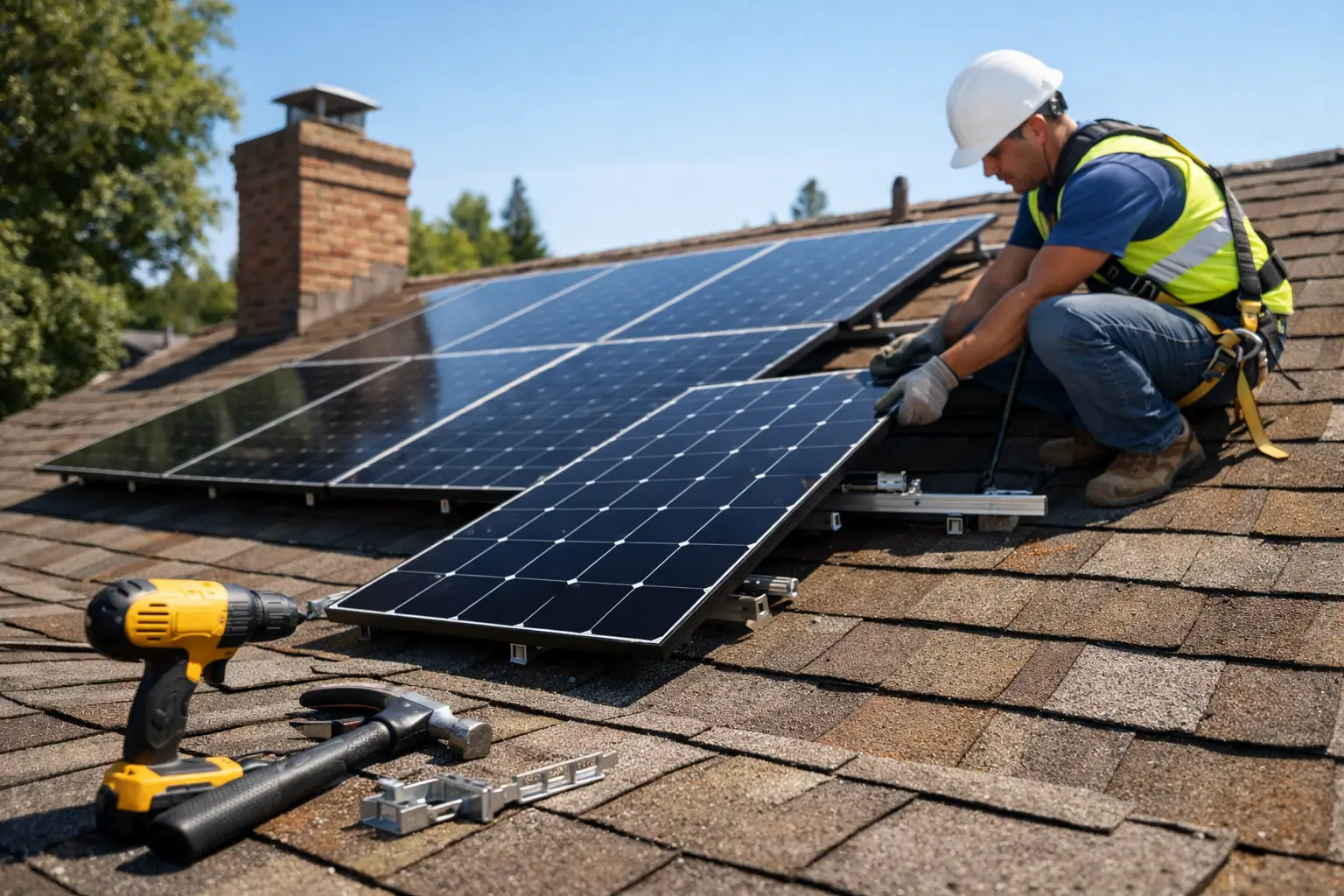
Solar Upgrades for Older Roofs Done Right
A roof that has protected your property for 15, 20, or 30 years may still look fine from the street, but solar upgrades for older roofs need more than a quick visual check. Panels are built to produce energy for decades. Before they go up, the roof, electrical system, and long-term plans for the property should all be working in the same direction.
For homeowners and business owners across Southern California and Tijuana, this is a practical decision. Utility bills are high, sunshine is plentiful, and many properties were built before today’s energy demands. A thoughtful solar project can reduce monthly energy costs and provide more control over how you use power. The key is avoiding a system that creates a roofing problem later.
Start With the Roof, Not the Panels
Solar equipment is installed on the roof, but it should not be treated as a separate project from the roof itself. If shingles, tile underlayment, flashing, or flat-roof membranes are nearing the end of their useful life, installing solar first can add cost and complication down the road.
When a roof needs replacement after panels are installed, the system generally has to be removed and reinstalled so the roofing crew can do its work. That process is often called a detach and reset. It is possible, but it adds labor, scheduling, and expense that can frequently be avoided by addressing the roof first.
A professional evaluation should look beyond whether there are visible leaks. The age of the roof matters, along with its material, slope, prior repairs, drainage, ventilation, and the condition of the decking beneath the surface. A few replaced shingles do not automatically mean a new roof is needed. On the other hand, a roof with curled shingles, worn underlayment, soft spots, repeated leak repairs, or aging flat-roof material may be better handled as part of a bundled project.
How much roof life is enough?
There is no single age that makes a roof unsuitable for solar. A well-maintained roof may have years of useful life left, while another roof of the same age may need attention now. The smarter question is whether the remaining roof life matches the expected life of the solar system.
If a roof is expected to need replacement within the next several years, combining the work often makes financial sense. If it has plenty of life remaining and passes inspection, solar may be ready to move forward without major roofing work. A site-specific assessment gives you a clearer answer than relying on age alone.
Plan Solar Upgrades for Older Roofs as One Project
Older properties often have more than one upgrade opportunity. The roof is the most visible concern, but the electrical panel, main service capacity, wiring, gutters, and battery location can affect the final design just as much.
Treating each item separately can create unnecessary delays. For example, a solar system may require electrical panel work to safely accommodate new solar equipment. A battery may need a suitable wall or ground location, clearances, and an electrical path that works with the home’s layout. Roofing work can also involve replacing or repositioning gutters, vents, or other roof components.
A coordinated plan gives each trade a defined order of work. Roofing is completed before panel mounting. Electrical upgrades are planned around the proposed system size. Solar equipment is installed with proper attachments and flashing. Battery storage, if selected, is designed to support the circuits and energy goals that matter most to the property owner.
This approach is especially useful for budget-conscious customers. It allows you to see the full scope upfront instead of approving one project only to discover another necessary upgrade later. Accessible Solar & Energy Storage helps coordinate these connected improvements so customers can make decisions with the whole property in view.
Check the Electrical System Before Designing the System Size
An older roof is often paired with an older electrical system. Many homes and commercial properties have panels that were adequate when they were installed but were not designed for central air conditioning, electric vehicles, heat pumps, modern appliances, solar production, and battery storage all at once.
That does not mean every older panel needs to be replaced. A qualified assessment can determine whether the existing panel has enough capacity and physical space for solar breakers and required equipment. In some cases, an upgrade is the right path. In others, careful system design may allow the project to move forward without a full service replacement.
This is where a low initial quote can be misleading. A system should be designed around your actual electrical conditions, not just your latest utility bill. A clear proposal identifies potential panel work early and explains why it may be recommended. That protects you from surprises after permits are underway.
Consider the energy changes ahead
Your current usage is only part of the picture. If you expect to add an electric vehicle, replace a gas appliance with an electric model, install air conditioning, or expand a business, tell your solar consultant from the beginning. Planning for future consumption may affect the recommended system size, panel configuration, and battery strategy.
Oversizing without a reason is not always the answer. Local utility rules, roof space, budget, and actual usage patterns all matter. The goal is a system that fits the way you live or operate today while giving you a sensible path for tomorrow.
Decide Whether Battery Storage Fits Your Priorities
Solar panels produce power during daylight hours. Battery storage lets you save some of that energy for use later, such as during evening hours or an outage. For many property owners, that added control is appealing, but it should be chosen for a clear reason rather than added automatically.
A battery can help when you want backup power for essential circuits, need more flexibility with time-of-use utility rates, or value greater energy independence. It can also be useful for businesses that need to keep certain equipment operating during a disruption. The trade-off is added project cost, and the backup duration depends on battery capacity and the loads you choose to support.
For an older property, battery planning should include the condition of the electrical panel and a conversation about priorities. Do you want to support lights, refrigeration, internet, and a few outlets? Or are you trying to back up major loads such as air conditioning? Clear expectations matter because a battery is not a generator-sized solution for every appliance unless the system is designed and budgeted for that purpose.
Understand Roof Material and Layout Trade-Offs
Southern California properties come with a wide mix of asphalt shingle, concrete tile, clay tile, flat roofing, and low-slope commercial roofs. Each can support solar when it is in suitable condition, but installation methods and planning details vary.
Tile roofs may require careful handling to reduce breakage and maintain proper weather protection. Flat roofs may use tilt structures, which can improve production but require attention to wind, drainage, spacing, and roof loading. Shade from trees, chimneys, nearby buildings, and roof features can influence where panels belong and how many make sense.
Aesthetic preferences count, too. Some customers want the maximum possible production. Others prefer a cleaner layout that leaves roof areas open or keeps panels less visible from the street. Neither choice is wrong. A good solar design explains the production and cost differences so you can decide what feels right for your property.
Ask for a Clear Scope Before Work Starts
The best solar proposals do more than show a panel count and estimated savings. They explain what the project includes, what conditions could affect pricing, and who is coordinating each part of the work.
Before moving forward, make sure you understand the roof findings, any recommended repairs or replacement, electrical panel needs, battery options, permitting expectations, and the planned order of installation. Ask how roof penetrations will be flashed and sealed, what happens if hidden roof damage is found, and whether future panel removal would be needed for a later roof replacement.
Financing can also make a combined project more manageable, but monthly payment should not be the only number considered. Compare the project scope, term, total cost, and the value of avoiding separate construction projects later. A consultation should give you the information to choose confidently, not pressure you into a one-size-fits-all package.
A roof with some age is not a reason to give up on solar. It is a reason to plan carefully. When roofing, electrical work, solar production, and storage are considered together, you can invest in cleaner power with fewer surprises and a stronger foundation for the years ahead.


Leave A Comment