


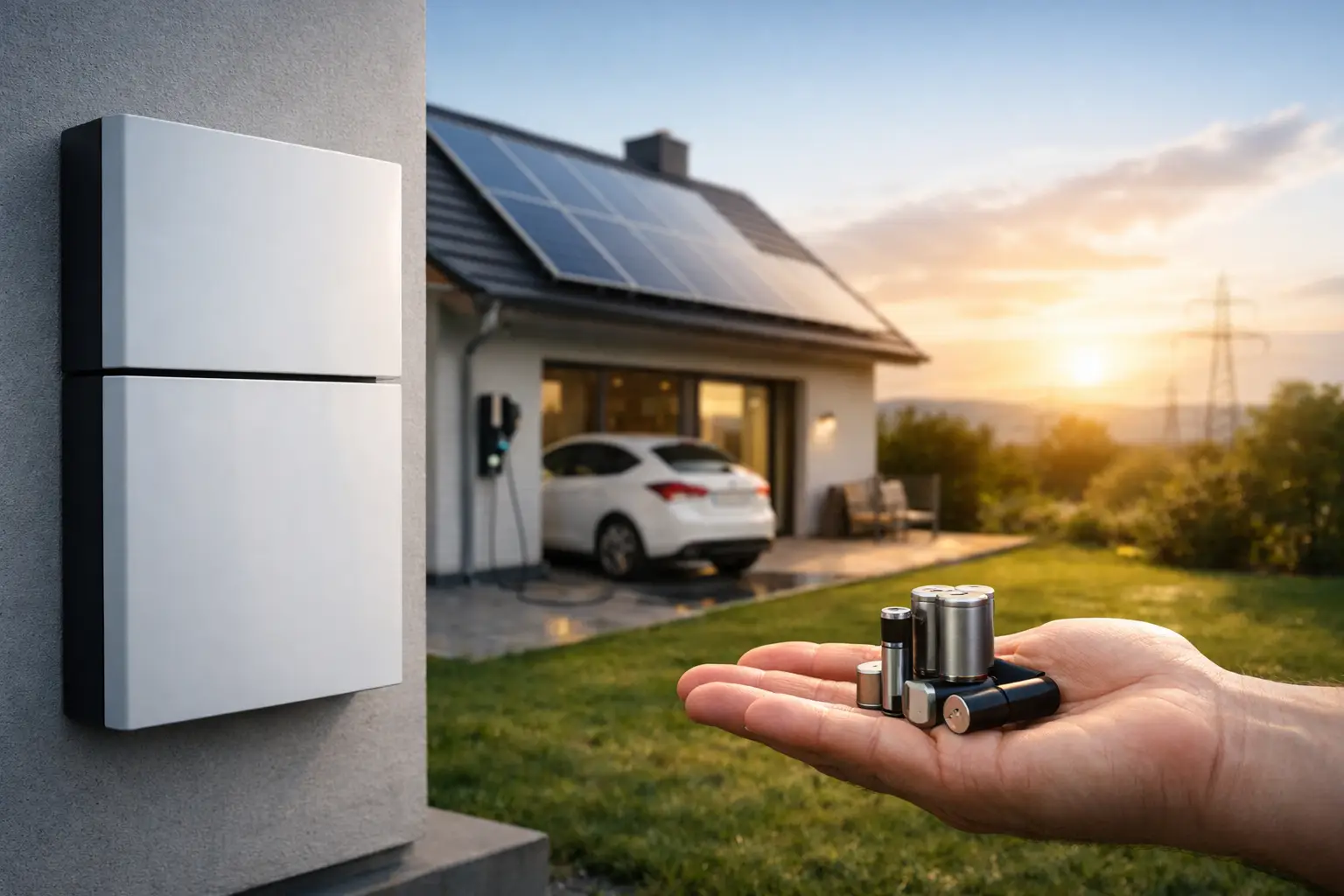
Battery Storage: Is It Worth It for You?
A summer outage at 7 p.m. hits differently when your lights stay on, your fridge keeps running, and your phone still charges. That is the real appeal of battery storage. For many homeowners and business owners across Southern California and Tijuana, it is not about gadgets or trends. It is about having more control over energy costs, more protection during blackouts, and more value from the solar system you already have or plan to install.
Battery storage takes the electricity your solar panels produce and saves some of it for later use. Instead of sending all that extra power back to the grid during the day and pulling expensive electricity from the utility at night, you can use your own stored energy when rates are higher. That shift matters more now than it did a few years ago, especially as utility pricing changes and outage concerns continue to grow.
What battery storage actually does
At its core, a battery stores usable electricity for when you need it most. During sunny hours, your solar system may generate more power than your property is using. Without a battery, that extra energy usually goes back to the grid. With a battery, some of that energy can be saved and used later in the evening, overnight, or during a grid outage.
That simple change can improve how your entire energy system works. Solar panels are strongest during the day, but many families and businesses use the most electricity in the morning and evening. Battery storage helps close that gap. It turns solar from a daytime-only resource into something more flexible and practical.
For commercial properties, that flexibility can also help reduce demand charges or smooth out energy use during expensive peak periods. For homes, it often means less dependence on the utility and more predictable monthly bills.
Why battery storage matters more in Southern California
This is not a one-size-fits-all decision, but local conditions make storage especially relevant in our region. Utility rates in California are high and often keep rising. Time-of-use pricing means electricity costs more during certain hours, which are often the same hours people are home, cooking dinner, running AC, or charging devices.
Battery storage helps you avoid buying as much power during those expensive windows. If your battery is charged from solar energy produced earlier in the day, you can use that stored power instead of paying top-rate utility prices.
Then there is outage protection. Public safety shutoffs, aging infrastructure, and heat-related grid strain are real concerns. In some neighborhoods, even short outages create major headaches. If you work from home, run a small business, have refrigerated medication, or just want basic peace of mind, backup power starts to feel less like a luxury and more like a practical upgrade.
Is battery storage always worth it?
Sometimes yes. Sometimes not yet. The right answer depends on your goals.
If your top priority is backup power, battery storage can be a smart investment even if the monthly savings alone do not fully justify the cost. If your goal is bill reduction, the math depends on your utility rate plan, your current energy use, whether you already have solar, and how much energy your battery can store.
For some properties, the financial return looks strong because evening utility rates are high and the battery can offset a meaningful amount of usage. For others, the payoff may take longer, especially if energy use is low or the battery is oversized for the property.
That is why a real site evaluation matters. Good system design is not just about adding a battery because it sounds like the next step. It is about matching storage capacity to actual usage patterns, backup needs, and budget.
Battery storage and solar work best together
A battery can be installed with a new solar system or added to an existing one, but the strongest value usually comes when both are planned together. When solar and storage are sized as one system, you have a better chance of maximizing production, reducing grid reliance, and keeping installation costs under control.
This is also where working with a provider that understands the full project can make life easier. Sometimes the battery is only one part of the upgrade. A property may also need electrical panel work, roofing adjustments, or system redesign to make everything function properly and safely.
That full-picture approach matters because energy upgrades rarely happen in perfect lab conditions. They happen on real homes and businesses with real budgets, roof limitations, and utility rules.
What can a battery power during an outage?
This is where expectations need to stay realistic. A battery does not automatically power your entire property forever. Most systems are designed to support selected loads, not every appliance at once.
For a home, that often means essentials such as lights, Wi-Fi, refrigeration, outlets, and maybe part of the HVAC system depending on battery size and setup. For a business, it might mean internet, point-of-sale systems, security, refrigeration, or other core functions.
If whole-home backup is the goal, that is possible in some cases, but it usually requires more battery capacity and a bigger budget. The best setup depends on what you need to keep running and for how long.
That trade-off is important. Some customers care most about keeping the basics on for several hours. Others want enough storage to get through a full night or support larger loads. Neither choice is wrong. It just changes the design and cost.
What affects the cost of battery storage?
The battery itself is only part of the price. Total cost can depend on system size, brand, installation complexity, backup panel configuration, permitting, and whether your property needs related electrical upgrades.
If you are adding storage to an older solar setup, there may be extra integration work involved. If you are installing solar and storage together, the project can often be planned more efficiently from the start.
Financing also changes the conversation. For many customers, the question is not whether they want battery storage. It is whether the monthly payment makes sense compared with current utility bills and the long-term value of backup power. That is one reason accessible financing matters so much. It brings a useful upgrade within reach for more families and business owners, instead of limiting it to cash buyers.
How to know if battery storage fits your property
Signs battery storage may make sense
If your utility bills are high, your rate plan penalizes evening use, or outages regularly disrupt your home or business, storage is worth a serious look. It can also make sense if you are already planning solar and want to build a system that performs better over time rather than adding pieces later.
Another good sign is when you value energy independence. Some people are comfortable relying on the grid and treating solar mainly as a bill-reduction tool. Others want more control over when and how they use power. Battery storage is often the bridge between those two goals.
Still, the best decision comes from the details. Your roof, panel size, average usage, and service panel condition all affect what is possible. So does your timeline. If you are replacing a roof soon or updating electrical equipment, bundling projects may save time, reduce repeat labor, and simplify the process.
Choosing a partner, not just a product
Storage technology matters, but so does the company guiding you through it. A battery system touches solar design, electrical work, permitting, utility coordination, and long-term performance. If communication is poor or the planning is rushed, even good equipment can lead to frustration.
That is why many customers prefer a local, consultative team that explains the options clearly and looks at the full property, not just the battery spec sheet. Accessible Solar & Energy Storage serves customers across Southern California and Tijuana with that kind of practical, education-first support, helping people understand what makes sense for their home, business, and budget.
The right recommendation should feel clear, not pushy. You should understand what the battery will do, what it will not do, what it costs, and how it fits into the rest of your energy goals.
Battery storage is not for everyone in the exact same way, but for many property owners it is becoming one of the most useful upgrades they can make. If you want lower dependence on the utility, better protection during outages, and a smarter way to use solar power, it is worth having the conversation now rather than waiting for the next high bill or blackout to make the decision for you.


2 Comments