


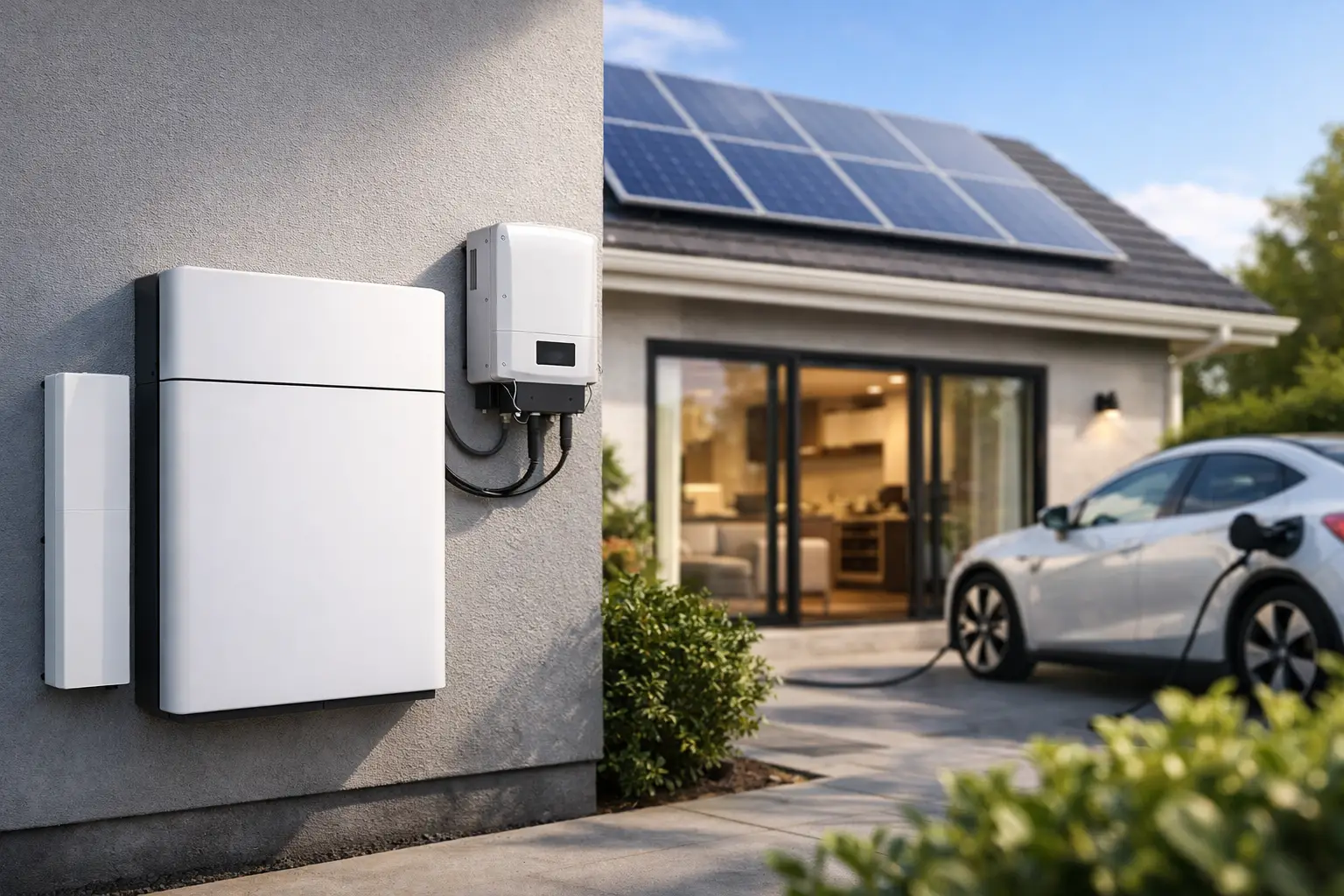
7 Best Home Battery Backup Systems
When the power goes out at 8 p.m. and the fridge, Wi-Fi, and lights all shut off at once, battery storage stops feeling like a luxury. For many homeowners in Southern California, it has become a practical upgrade. The best home battery backup systems can keep essential circuits running, reduce peak utility costs, and help you get more value from your solar system.
The right battery is not always the biggest one or the one with the flashiest marketing. It is the one that fits how your home uses energy, how often outages happen in your area, and what you want backed up when the grid goes down. If you are comparing options, it helps to look past brand hype and focus on what actually affects performance, cost, and day-to-day value.
What makes a battery backup system worth buying?
A good battery backup system should do three things well. First, it should store enough usable energy to cover the loads you care about. Second, it should deliver enough power at one time to start and run those loads. Third, it should work well with the rest of your home, especially if you already have solar or plan to add it later.
This is where many homeowners get tripped up. Battery capacity and power output are not the same thing. Capacity is how much energy the battery can store, measured in kilowatt-hours. Power output is how much electricity it can deliver at once, measured in kilowatts. You may have enough stored energy for several hours, but if the battery cannot handle your air conditioner, well pump, or electric stove, it will not feel like much of a backup system.
You should also pay attention to warranty terms, scalability, installation requirements, and whether the system supports whole-home backup or only selected loads. In many homes, selective backup is the smarter and more affordable choice.
Best home battery backup systems to compare
Tesla Powerwall
Tesla Powerwall remains one of the most recognized options, and for good reason. It offers solid storage capacity, strong power output, and a clean setup that works well for homes that want backup plus time-of-use savings. It is often a good fit for homeowners who want one battery that can cover a meaningful portion of the home, especially when paired with solar.
The trade-off is that availability, installer support, and system design flexibility can vary by market. Some homeowners love the brand familiarity. Others prefer a system with more configuration options or easier service access through a local provider.
Enphase IQ Battery
Enphase is especially appealing for homeowners who already have Enphase microinverters on their solar system. That compatibility can make the overall setup feel more integrated. The platform is known for detailed monitoring and modular design, which helps if you want to start smaller and expand later.
Its strength is flexibility, not always raw output. Depending on the model and your home loads, you may need more than one unit to get the backup performance you want. For some households, that is a smart step-by-step investment. For others, it can raise the total project cost.
FranklinWH
FranklinWH has gained attention as a serious whole-home backup contender. It is often chosen by homeowners who want to run larger loads more comfortably and build a more complete energy management setup. The system is designed to work intelligently across solar, battery, grid, and generator sources.
This can be a strong option if your goal is resilience first. The downside is that it may be more system than some homes actually need. If your main priority is keeping the basics on during short outages, a simpler battery configuration may do the job for less.
Generac PWRcell
Generac is familiar to many people from the generator world, and PWRcell is its battery-based answer for homeowners who want backup power with storage. One of its big selling points is modularity. You can size the system around your needs instead of jumping straight to a one-size-fits-all package.
That said, real-world satisfaction often comes down to installer experience. A battery system is only as good as its design and commissioning. If the installer is not strong on load planning and backup configuration, even a good product can disappoint.
SolarEdge Home Battery
For homeowners with SolarEdge equipment, this battery can be worth a close look. Like Enphase, one of its biggest advantages is ecosystem compatibility. If your inverter, monitoring, and solar setup already live in that world, keeping everything under one platform can simplify operation and service.
The best fit here is usually a home already built around SolarEdge hardware. If you are starting from scratch, it should be compared on total system value, not just brand alignment.
LG Energy Storage options
LG has been a known name in battery technology, and many homeowners still ask about its storage products because of that reputation. Brand familiarity matters, especially when you are making a long-term home investment. People want equipment from companies they recognize.
Still, this is a category where product availability and current lineup details matter. Not every brand that was popular a few years ago is the best fit today. A current evaluation is more useful than relying on name recognition alone.
EcoFlow and similar portable whole-home solutions
Some newer systems market themselves as flexible backup platforms that can support home circuits with a more portable design. These can make sense for homeowners who want limited backup without a full traditional installation, or for people who value portability for other uses.
For permanent home backup, though, they are not always the strongest answer. In many cases, a professionally installed battery system tied into your electrical panel gives better reliability, cleaner operation, and stronger long-term value.
How to choose the best home battery backup systems for your house
The first question is simple: what do you want the battery to do? If you only want to keep the refrigerator, internet, some lights, and a few outlets on during outages, your system can be smaller and more affordable. If you want near whole-home backup, including larger appliances or air conditioning, the design changes fast.
The second question is whether you have solar already. Some batteries work best within a specific solar ecosystem, while others are more flexible. If you are adding solar and storage together, you have more freedom to choose the best combined setup. If you already have solar, compatibility becomes a bigger part of the decision.
The third question is your utility bill. In California, battery storage is not only about outages. It can also help shift energy use away from expensive utility rate periods. That means the right battery may save money even when the grid is working normally. For many homeowners, that year-round value matters just as much as emergency backup.
A few trade-offs most sales pages skip
Whole-home backup sounds great, but it comes at a cost. More backup usually means more battery capacity, more electrical work, and sometimes service panel upgrades. That does not mean you should avoid it. It just means the right answer should match your goals, not a marketing slogan.
Bigger is not always better, either. An oversized battery may cost more than the practical benefit it delivers, especially if your outages are short and your priority loads are modest. On the other hand, going too small can leave homeowners frustrated when the system cannot support expected loads.
There is also the financing question. A battery that pencils out over time may still need to fit your monthly budget today. That is why many homeowners benefit from working with a provider who can explain both system design and financing options in plain language instead of treating storage like a premium add-on.
Why installation matters as much as the battery brand
A battery is not a plug-and-play appliance. It has to be sized correctly, integrated with your electrical system, and programmed around the loads you actually want to back up. That is why two homes with the same battery brand can have very different experiences.
A strong installer will ask how you live, what appliances matter most, whether you want to pair storage with solar, and whether your roof, panel, or other upgrades should be handled at the same time. That bigger-picture approach often saves money and headaches. For homeowners in our region, especially those comparing solar, roofing, electrical panel work, and storage together, a one-stop-shop approach can make the process much easier to manage.
At Accessible Solar & Energy Storage, that is a big part of how we help families move forward with confidence. The goal is not just to sell equipment. It is to make clean energy practical, affordable, and easier to understand.
So which system is best?
If you want a simple answer, there is not one best battery for every home. Tesla may be a strong fit for one household, while FranklinWH or Enphase makes more sense for another. The best home battery backup systems are the ones that match your energy use, your outage concerns, your solar plans, and your budget.
That is the part worth getting right. A good battery should give you more control, not more confusion. If you start with your real needs instead of the brand name, the best choice usually becomes much clearer.
The smartest next step is not chasing the biggest battery on the market. It is getting a clear, honest assessment of what your home actually needs and building from there.


Leave A Comment