


How Do Energy Storage Systems Work?
When the power goes out on a hot Southern California afternoon, the difference between having battery storage and not having it becomes very real. If you have ever asked, how do energy storage systems work, the short answer is simple: they store electricity when it is available and send it back out when you need it most. The better answer is a little more interesting, because timing, system design, and your utility rates all shape how useful that stored energy really is.
For homeowners and business owners, energy storage is not just a backup plan. It can help you keep critical loads running, use more of your own solar power, and reduce how much electricity you buy when rates are highest. That matters if you are trying to lower monthly bills without adding more complexity to your property.
How do energy storage systems work with solar?
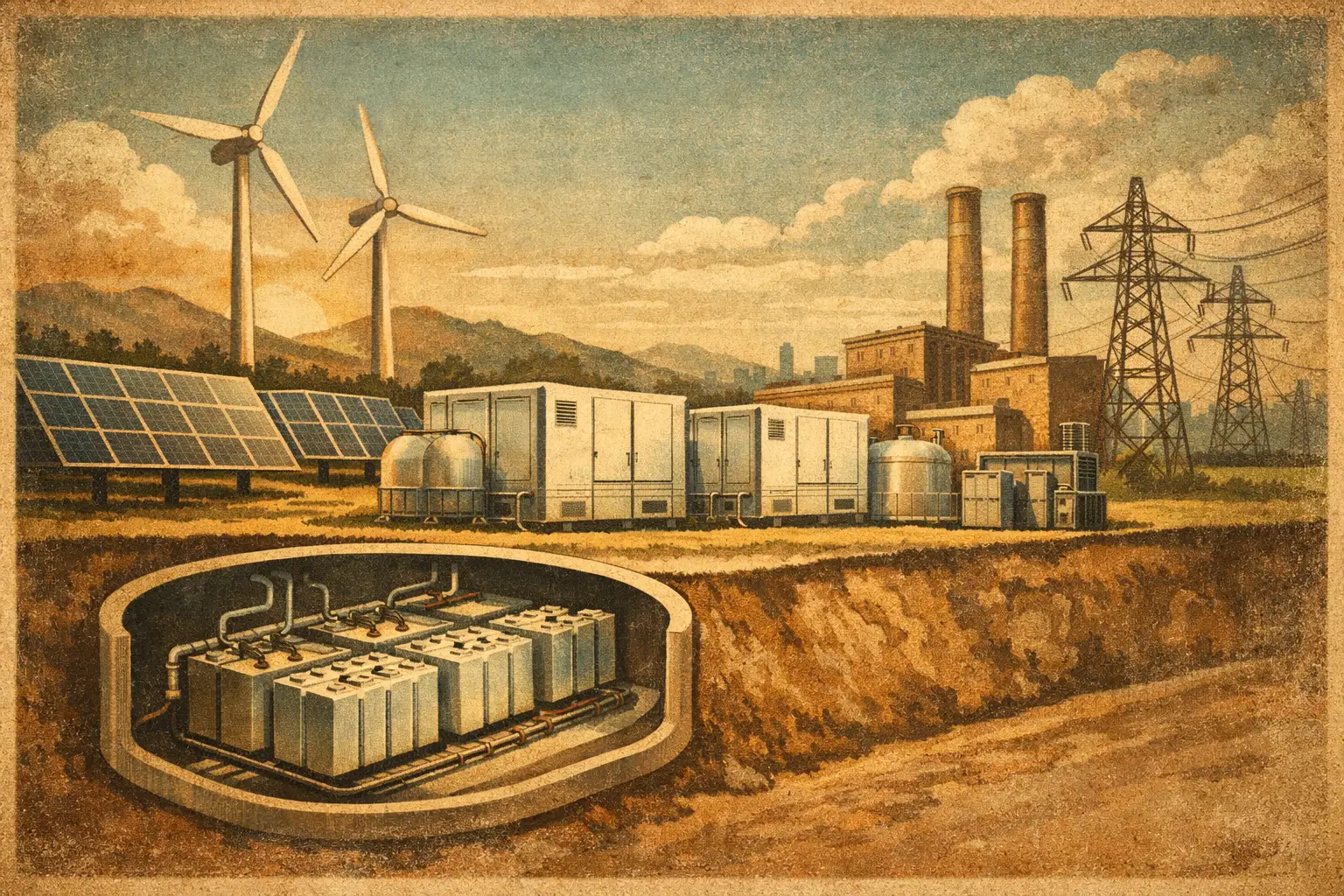
Most modern energy storage systems use batteries, usually lithium-ion, to hold electricity for later use. Think of the battery as a reserve tank for power. Your solar panels produce electricity during daylight hours, and your property uses that power first. If your panels are producing more than the building needs at that moment, the extra energy can charge the battery instead of going back to the grid.
Later, when the sun goes down or your electric use jumps, the battery can discharge and supply power to your home or business. That is the core cycle: charge, store, discharge, repeat. It sounds straightforward, but there is a smart control system in the background deciding when that battery should fill up and when it should hold back.
That control system matters because battery storage is not only about saving every extra bit of solar production. In many cases, it is about using stored energy at the most valuable time. For one property, that could mean keeping the refrigerator, lights, internet, and a few outlets on during an outage. For another, it could mean avoiding expensive evening utility rates.
The main parts of an energy storage system
A battery system is really a team of components working together. The battery itself stores the energy, but it cannot do the job alone.
Solar panels generate electricity as direct current, or DC power. The inverter converts that electricity into alternating current, or AC power, which your appliances and equipment use. In some setups, the battery shares a hybrid inverter with the solar system. In others, it uses a separate inverter. Either way, the inverter is what makes the stored energy usable in the building.
There is also a battery management system, often called a BMS. This is the safety and control layer that monitors temperature, charge level, voltage, and overall battery health. It helps prevent overcharging, overheating, and deep discharging, all of which can shorten battery life or create safety issues.
Then there is the backup load panel or gateway, which decides what the battery will support during a grid outage. This part is especially important because most batteries do not power every circuit in a building unless the system is designed and sized for whole-home or whole-building backup. More often, the storage system is set up to protect priority loads.
What happens during normal operation
On a normal day, your system follows a pretty logical pattern. In the morning, solar production starts to ramp up. Your building uses that power first. If there is extra, the battery charges. Once the battery is full, any remaining solar may go to the grid, depending on your setup and utility program.
In the late afternoon and evening, when solar production drops but your usage often rises, the battery can begin discharging. This is where storage can really help in California. Utility rate plans often charge more during peak hours, so using battery power instead of grid power at that time can make a meaningful difference.
Some systems are programmed for self-consumption, meaning they prioritize using your own stored solar energy before drawing from the utility. Others are programmed more strategically around time-of-use rates. It depends on your goals. If outage protection is your top concern, the system may always keep some battery capacity in reserve. If bill savings are the priority, it may discharge more aggressively during expensive hours.
What happens during a power outage
This is the part many people care about most. When the utility grid goes down, a properly installed storage system can detect the outage and isolate from the grid. That isolation is important for safety. It prevents your system from sending electricity back onto utility lines while crews may be working on them.
Once the system disconnects from the grid, the battery can supply stored power to your designated backup loads. If the sun is out and your system is configured for solar charging during outages, your panels may also continue producing power and recharging the battery.
But there is an important trade-off here. Backup duration depends on battery size, solar production, and how much electricity you are using. Running a few lights, the fridge, internet, and phone chargers is very different from running central AC, electric cooking, pool equipment, and EV charging all at once. A battery gives you options, but it works best when the system is matched to realistic expectations.
Why battery size and usage habits matter
People sometimes assume one battery automatically covers an entire property. Sometimes it can, but often the answer is more selective. Battery capacity is measured in kilowatt-hours, which tells you how much energy it can store. Power output is measured in kilowatts, which tells you how much it can deliver at one time.
That difference matters. You might have enough stored energy to run several essentials for many hours, but not enough output to start and run multiple large appliances at once. This is why system design is so important. A good design looks at your usage patterns, your electrical panel, your outage concerns, and your budget.
For commercial properties, storage can also help with demand management. Some businesses get hit not only by energy charges but by demand charges tied to their highest spikes in usage. In those cases, a battery may reduce costs by helping flatten those peaks. The financial value of storage is not exactly the same for every building.
How long do energy storage systems last?
Most modern battery systems are built for years of regular use, but they do not last forever. Performance gradually declines over time, just like a phone battery or electric vehicle battery, although home and commercial systems are designed for much heavier long-term cycling.
Battery life depends on chemistry, temperature, usage patterns, and how deeply the battery is discharged on a regular basis. Heat can be especially relevant in Southern California and inland areas, so proper placement and system design matter. Manufacturers usually provide warranties based on years, cycles, or retained capacity.
The key point is that storage should be viewed as a long-term energy tool, not a one-season fix. If it is sized well and used strategically, it can support both resilience and savings over many years.
Is energy storage always worth it?
Not always, and that is where honest guidance matters. If your only goal is the fastest possible payback, battery storage may or may not be the first upgrade to prioritize. For some properties, solar alone delivers the clearest financial return. For others, especially where outages, time-of-use rates, or backup needs are a serious concern, storage adds real value.
It also depends on whether you want peace of mind. There is a practical value in knowing your essentials can stay on during a blackout, even if that benefit does not show up the same way on a spreadsheet. For families, remote workers, and businesses that cannot afford interruptions, that reliability can be reason enough.
This is also why a one-size-fits-all quote rarely tells the full story. The best storage setup depends on your roof, your current electric bill, your usage habits, and whether the project includes related upgrades like a main panel replacement or roofing work. A full-service provider can help simplify those moving parts instead of treating the battery like a standalone box.
What to ask before installing a battery system
Before moving forward, ask what loads the system will back up, how long it is expected to last during an outage, whether solar can recharge it when the grid is down, and how it is programmed around your utility rate plan. You should also ask whether your existing electrical panel can support the installation and whether financing changes the overall value of the project.
These questions are not about making things complicated. They are about making sure the system fits your real needs. At Accessible Solar & Energy Storage, that kind of planning is part of making clean energy more practical and more accessible for local families and business owners.
Energy storage works best when it gives you more control – over your power, your costs, and your options when the grid is not cooperating. If you are thinking about solar or already have it, the right battery system can turn daytime production into around-the-clock value.


2 Comments