


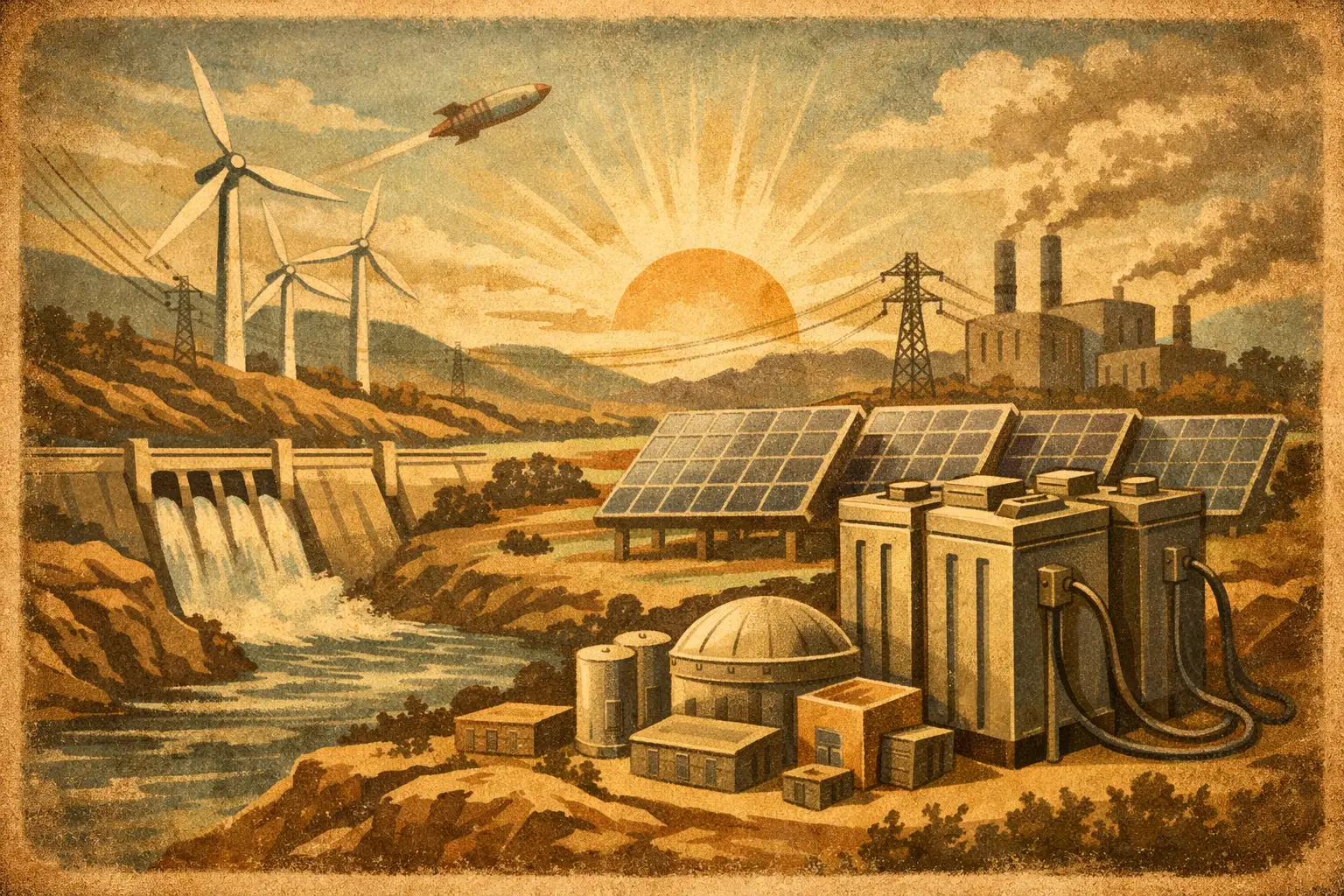
What Is Energy Storage System?
The power usually goes out at the worst possible time – during dinner service, on a hot afternoon, or right when your phone battery is low and the fridge is full. That is usually when people start asking, what is energy storage system, and whether it could make their home or business less dependent on the grid.
An energy storage system is equipment that stores electricity so you can use it later instead of only when the utility is delivering it. In most residential and small commercial projects, that usually means a battery system paired with solar. Your solar panels produce electricity during the day, and instead of sending all of it away or using it immediately, the battery stores some of that energy for later use.
That simple idea matters more than ever in places like Southern California, where utility rates can be high, time-of-use pricing affects bills, and outages are a real concern. For many property owners, storage is not just about backup power. It is about controlling when you use electricity, reducing costly peak-hour consumption, and building more energy independence over time.
What Is an Energy Storage System and How Does It Work?
At a basic level, an energy storage system takes electrical energy, stores it, and releases it when you need it. The most common type for homes and many businesses is a lithium-ion battery system, although other technologies exist in larger or specialized applications.
A typical setup includes the battery itself, an inverter, controls, and the wiring that connects everything to your electrical system. If the property also has solar, the system can collect excess solar production during the day. Later, when the sun goes down or utility rates increase, the stored energy can power selected loads or even most of the property, depending on system size and design.
The controls are what make the system useful in everyday life. They can tell the battery when to charge, when to discharge, and when to hold energy in reserve for an outage. That means the system is not just storing electricity randomly. It is responding to your goals, whether that is bill savings, backup power, or a mix of both.
Why People Add Storage to Solar
Solar panels alone produce energy when the sun is available. That works well during the day, but many households use a large share of their power in the evening. Businesses may also face high utility charges during certain periods. Storage helps close that gap.
When a battery is added to solar, the property can use more of its own clean energy instead of relying on utility power during expensive hours. That can improve the value of the solar investment because you are not just producing power – you are choosing when to use it.
Backup power is another major reason. Some customers want the battery mainly for resilience. They want lights, refrigeration, internet, security systems, medical devices, or key business operations to stay on during an outage. Others are more focused on lowering electric bills. Often, the best setup balances both.
That balance depends on your goals. If your main concern is keeping a few essentials running, one battery may be enough. If you want longer backup time or more whole-home coverage, the system may need more storage capacity and careful load planning.
What an Energy Storage System Includes
Most people picture a battery mounted on a wall, but the full system involves more than that. The battery is the main storage component, but it works with supporting equipment that allows it to operate safely and efficiently.
The inverter converts electricity into the form your home or business uses. Depending on the setup, it may also coordinate solar production and battery charging. The control software manages how and when stored power is used. There may also be a backup loads panel if only certain circuits will stay energized during an outage.
This is one reason storage should never be treated like a simple add-on. The battery has to work with your solar design, electrical panel, usage patterns, and local code requirements. If a property also needs panel upgrades, roofing work, or related improvements, those details should be addressed early so the system is designed as one coordinated project.
What Is Energy Storage System Used For in Real Life?
For homeowners, the most common uses are backup power, lower utility costs, and better use of solar production. A battery can keep essential appliances on during outages and reduce dependence on expensive grid electricity at night.
For business owners, storage can support continuity and cost control. A small office may want to keep computers, lighting, and internet running. A retail location may want to avoid disruption during blackouts. Some commercial customers also use storage to reduce demand charges or better manage energy use during peak pricing periods.
There is also a practical peace-of-mind factor. Many customers are less interested in technical specs than in knowing their property will be better prepared. That is a valid reason to consider storage. Energy decisions are financial, but they are also personal.
The Main Benefits – and the Trade-Offs
The strongest benefit of an energy storage system is control. Without storage, you are more exposed to utility timing, rate changes, and outages. With storage, you have another option.
That said, batteries are not a magic fix for every energy problem. They add cost to a project, and the return depends on your utility rate structure, how much electricity you use, whether you already have solar, and how important backup power is to you. In some cases, solar alone may be the first smart step. In others, adding storage from the start makes more sense, especially if outages or evening energy costs are a major concern.
Another trade-off is capacity. A battery can power a lot, but not always everything for as long as people expect. Air conditioning, electric ovens, pool equipment, and EV charging can use large amounts of electricity. If whole-home backup is the goal, system sizing becomes especially important.
This is why clear planning matters. The right question is not just, Do I want a battery? It is, What do I want the battery to do for me?
Is an Energy Storage System Right for Every Property?
Not always, but it fits more properties than many people think. If your electric bill is high, your area sees outages, or you want more independence from utility pricing, storage is worth a serious look. It can also be a strong option for customers who are already investing in solar and want to get more value from the energy they produce.
On the other hand, if your energy use is low and backup power is not a priority, the economics may point you in a different direction. Some properties benefit most from starting with solar, energy efficiency upgrades, or electrical improvements before adding storage.
A good consultation should make that clear instead of pushing the same answer for everyone. The right solution depends on your building, your budget, and what matters most to you.
What to Ask Before You Buy
Before choosing a system, ask how much energy you use during the day versus the evening, which appliances or circuits you want backed up, and how long you want power available during an outage. You should also ask how the battery will perform with your utility rate plan and whether your current electrical setup needs upgrades.
It is also smart to ask who will coordinate the full scope of work if the project involves solar, storage, roofing, or panel upgrades. That can make a big difference in cost, timeline, and overall experience. For many customers, working with one team that can guide the project from evaluation through installation helps remove a lot of stress.
For homeowners and business owners who want clean energy to feel practical instead of complicated, that is where education matters. Accessible Solar & Energy Storage works with customers who want straightforward answers, financing support, and a plan that fits real budgets and real properties.
An energy storage system is not just a battery on a wall. It is a way to keep more of the power you generate, use electricity on your terms, and build a property that is more prepared for whatever the grid does next.


2 Comments