


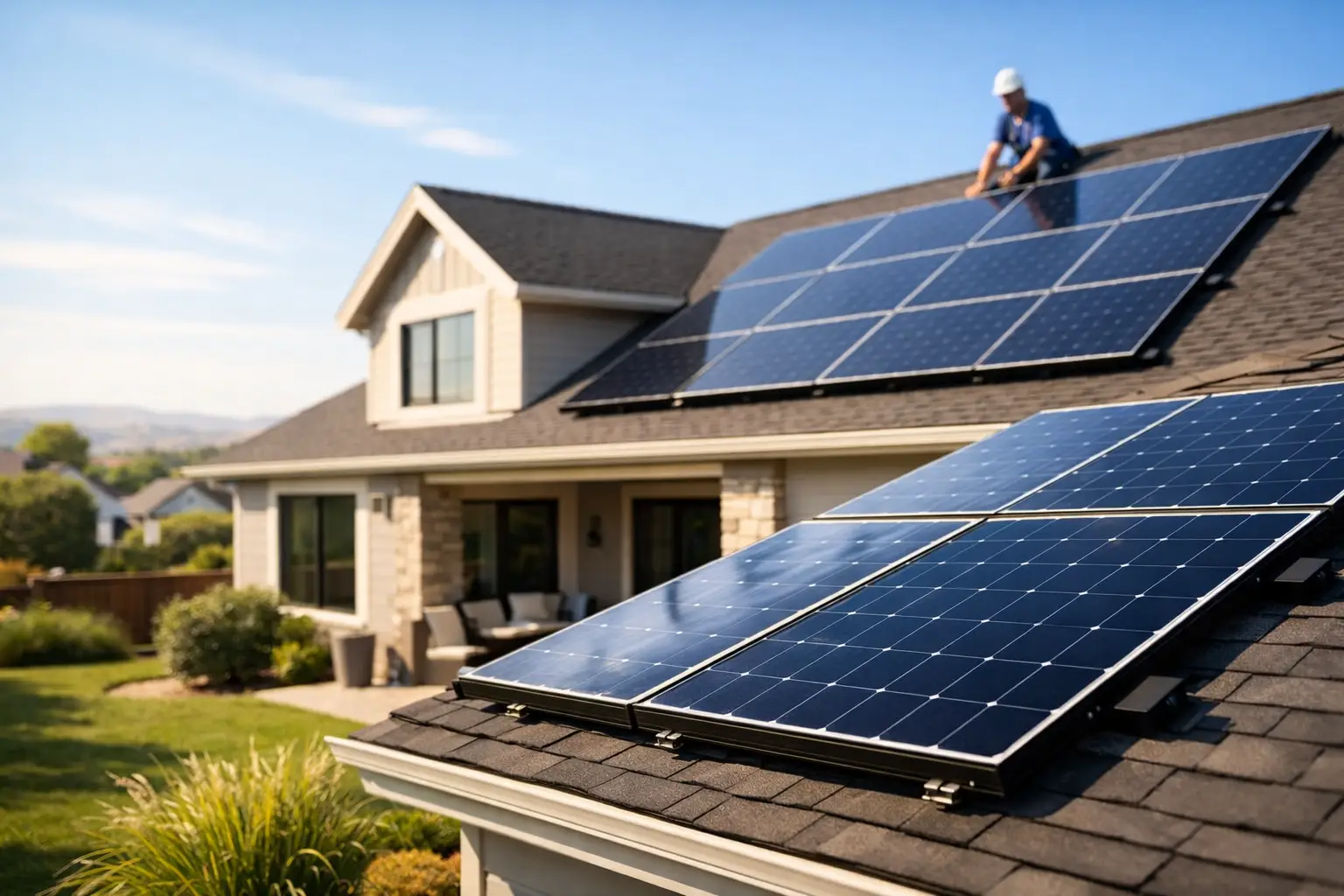
Residential Solar Panels That Make Sense
A lot of homeowners start looking at residential solar panels after one frustrating utility bill. The bigger question is not just whether solar works. It is whether it makes sense for your home, your budget, and the way your family actually uses electricity.
That is where many people get stuck. Solar can absolutely lower long-term energy costs, but the best setup depends on your roof, your usage, your financing options, and whether you want backup power along with savings. If you are in Southern California, where utility rates are already high and sunshine is not in short supply, those details matter even more.
Why residential solar panels are worth considering
For most homeowners, the first reason is simple: predictability. Utility rates tend to move in one direction, and it is usually not down. Residential solar panels give you more control over a monthly expense that can otherwise keep climbing year after year.
There is also the long-term value of producing power at home. Instead of buying all your electricity from the grid, your system helps offset what your home uses during the day. Depending on system size and household habits, that can make a noticeable difference in monthly costs.
The appeal goes beyond savings. Many homeowners also want more energy independence, especially after outages, wildfire-related shutoffs, and rising concerns about grid reliability. Solar on its own can help with cost reduction, but solar paired with battery storage can add another layer of protection and convenience.
For some families, there is a third factor that matters just as much: accessibility. Solar should not feel like a luxury product reserved for a small group of homeowners with perfect credit and unlimited cash. A good provider helps you understand your options clearly, including financing, roof condition, panel upgrades, and whether storage is worth adding now or later.
How residential solar panels actually save money
The savings are real, but they are not magic. Your panels generate electricity when the sun is out. That power feeds your home first, reducing the amount you need to pull from the utility.
If your system produces more than your home is using at a given time, that excess may go back to the grid, depending on your utility setup. If your home needs more power than the system is producing, especially at night, you still use grid electricity unless you have a battery.
That means your savings depend on a few practical factors: how much electricity you use, when you use it, how much sun your roof gets, and how your utility credits exported power. A large household with heavy air conditioning use may benefit differently than a smaller home with lower daytime demand.
This is why honest solar planning matters. A system should be sized around your real usage patterns, not a one-size-fits-all estimate. Oversizing can raise your payment unnecessarily. Undersizing can leave you disappointed when the bill reduction is smaller than expected.
What affects whether your home is a good fit
Not every home is the same, and that is a good thing to acknowledge upfront. Residential solar panels work best when the design matches the property.
Roof condition is a major factor. If your roof is near the end of its life, it often makes more sense to address roofing before installation instead of paying to remove and reinstall panels later. This is one reason bundled project planning can be so valuable. If roofing, electrical work, gutters, or a panel upgrade are needed, coordinating those pieces together can save time and stress.
Roof orientation and shading also matter. South- and west-facing roof areas often perform well in California, but trees, neighboring buildings, and roof angles can reduce output. A good site evaluation should tell you what is realistic, not just what sounds good in a sales presentation.
Your main electrical panel may need attention too. Some older homes need an upgrade before solar can be installed safely and properly. That does not mean solar is off the table. It just means the project needs to be planned correctly from the start.
Should you add a battery with your solar system?
This is one of the most common questions homeowners ask, and the honest answer is: it depends on your priorities.
If your main goal is to lower your monthly bill, residential solar panels alone may be enough. But if you also want backup power during outages, more control over when you use your stored energy, or less reliance on the grid during peak-rate periods, battery storage becomes much more attractive.
A battery lets you store some of the electricity your system generates so you can use it later, including at night or during an outage. That can be especially helpful in areas where blackouts, Public Safety Power Shutoffs, or evening utility rates are a concern.
The trade-off is cost. Batteries add to the project price, so the decision should be based on how much resilience and flexibility matter to you. For some homeowners, battery storage is a must-have. For others, it is a smart future upgrade after starting with solar first.
What residential solar panels cost
There is no single price that applies to every home, and anyone promising one without reviewing your property is guessing. Cost depends on system size, equipment choices, roof layout, electrical upgrades, and whether you include battery storage.
The better way to think about cost is monthly impact and long-term value. Many homeowners are less focused on the total sticker price than on whether the system reduces their overall energy expense in a practical way. Financing can make a big difference here, especially for budget-conscious households that want to move forward without a large upfront payment.
This is also where trust matters. A good consultation should explain what you are paying for, what your expected production looks like, and how your financing compares to your current utility costs. It should not pressure you into the biggest system available.
For homeowners who have assumed solar is out of reach, that conversation can be eye-opening. The right financing structure can turn solar into a manageable home upgrade rather than a distant goal.
Choosing the right installer matters as much as the equipment
Panels get a lot of attention, but the installer and project coordination team often make the biggest difference in your experience. Solar is not just a product sitting in a box. It is a home improvement project that touches your roof, your electrical system, permitting, inspections, and utility interconnection.
That is why education and communication matter. You should know what is happening, what timeline to expect, and whether other upgrades need to be handled at the same time. If a provider can coordinate roofing, batteries, electrical work, and related improvements under one plan, the process tends to be smoother than juggling multiple contractors on your own.
For many families, that support is just as important as the equipment itself. Clear answers, bilingual service when needed, and financing guidance can remove the confusion that often keeps people from moving forward.
Accessible Solar & Energy Storage is built around that idea. For homeowners who want a local, service-first partner instead of a complicated sales pitch, that kind of support can make residential solar panels feel realistic and approachable.
Questions to ask before you move forward
Before signing anything, ask how the system size was calculated and whether it reflects your actual utility history. Ask whether your roof and electrical panel are ready for the installation. Ask what happens if roofing or panel upgrades are needed.
You should also ask how battery storage changes the economics of the project, what financing options are available, and what kind of timeline to expect from consultation through installation. A trustworthy provider will answer those questions directly and help you compare options without making you feel rushed.
Residential solar panels are not one-size-fits-all
Some homes are ideal candidates right away. Others need roofing work, an electrical upgrade, or a different system size than the homeowner expected. That is normal.
What matters is getting a plan built around your home and your goals. If you want lower bills, better backup power, or a path toward energy independence that fits your budget, residential solar panels can be a practical step forward. The right next move is simply to get clear numbers, honest guidance, and a plan that respects both your property and your wallet.
Good solar should leave you feeling more confident, not more confused. When the process is explained well and built around your real needs, clean energy stops feeling complicated and starts feeling like a smart, local investment in your future.


3 Comments