


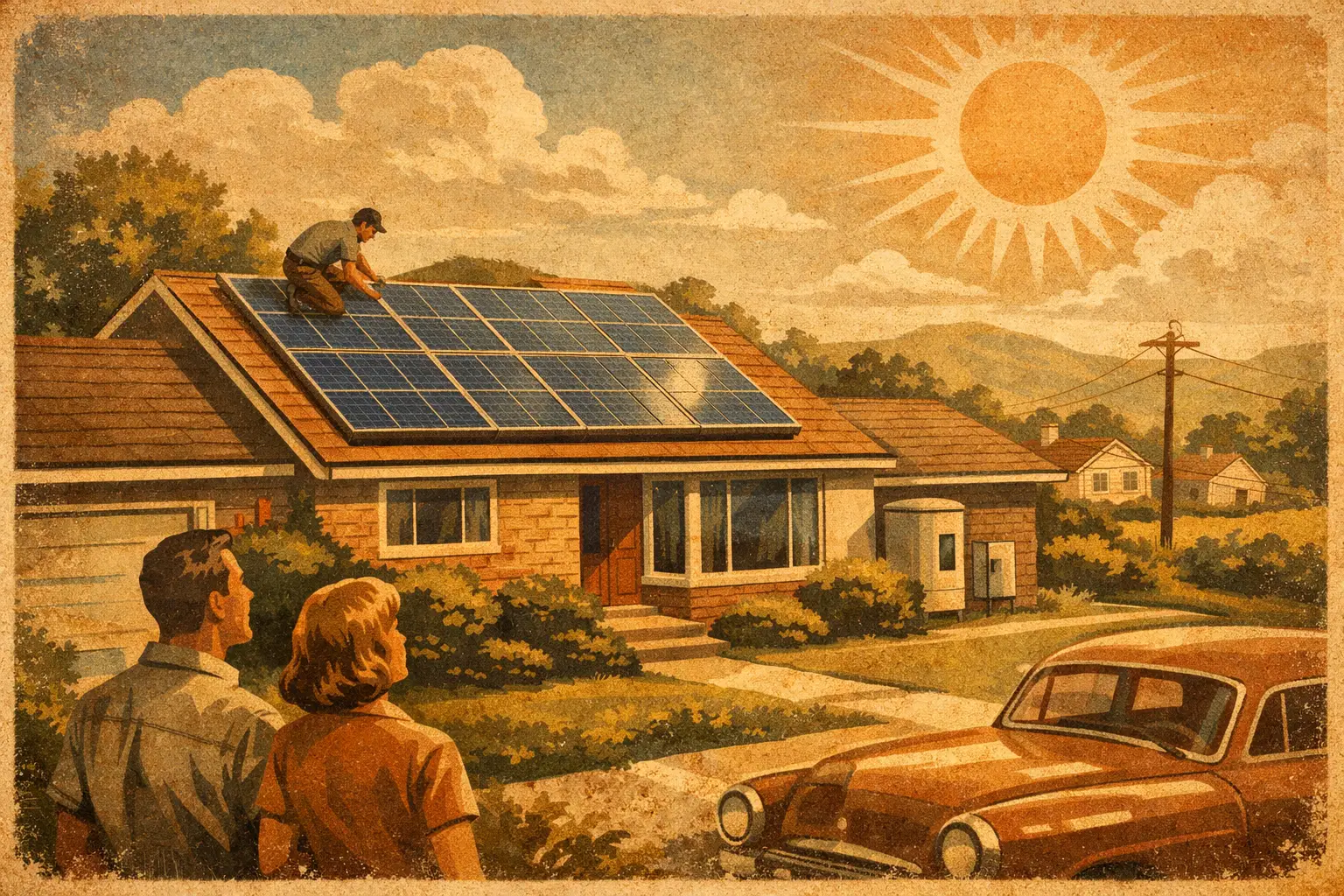
Best Residential Solar Systems for Homes
If your electric bill keeps climbing while your usage stays about the same, you are not imagining it. For many homeowners in Southern California, the search for the best residential solar systems starts with one simple goal – make monthly costs more predictable without taking on a project that feels confusing or out of reach.
The good news is that the right solar setup can do exactly that. The catch is that there is no single system that is best for every home. The best fit depends on your roof, your utility rate, how much power you use, whether you want battery backup, and how you plan to pay for the project.
What makes the best residential solar systems?
A strong residential solar system is not just a set of panels on a roof. It is a complete setup designed around your property and your long-term energy needs. That includes the solar panels themselves, the inverter, mounting hardware, monitoring, and in many cases a battery.
For some households, the best system is the one that produces the most power in limited roof space. For others, it is the one with the lowest upfront cost and solid long-term savings. If your neighborhood sees outages or you want more energy independence, battery storage may matter just as much as panel efficiency.
That is why a good solar recommendation should feel more like a conversation than a sales pitch. A trustworthy provider will look at your bill history, roof condition, shading, main electrical panel, and future plans before suggesting a system size.
Start with your home, not the hardware
Many people shop for panels the same way they shop for appliances, comparing brands first. That makes sense on the surface, but it usually skips the most important step. Your home should determine the system design.
A household with high summer air conditioning use needs a different approach than a smaller home with lower daytime demand. A tile roof may require different installation planning than a composition shingle roof. If your roof is older, it may make more sense to handle roofing work before solar goes in, rather than pay to remove and reinstall the system later.
This is also where bundled planning can make a big difference. When solar, battery storage, roofing, panel upgrades, and related work are coordinated together, you avoid a lot of delays and finger-pointing between contractors. For budget-conscious homeowners, that kind of project management matters almost as much as equipment quality.
Panel efficiency matters, but only in context
When people ask about the best residential solar systems, they often mean the best solar panels. High-efficiency panels are valuable, especially if you have limited roof space or partial shade. They can help you generate more electricity from a smaller footprint.
Still, the highest efficiency panel is not automatically the smartest buy. Premium panels usually cost more, and in some homes that extra cost does not create a meaningful difference in payback. If you have plenty of usable roof area, a slightly less expensive panel may deliver better overall value.
The more useful question is this: how much production do you need from the space available? Once that is clear, you can weigh whether premium equipment is worth it for your situation.
Inverters can quietly make or break performance
Panels get most of the attention, but the inverter plays a major role in how well your system performs. This is the part that converts solar energy into usable electricity for your home.
String inverters can work well on simple roofs with minimal shading. Microinverters or optimized systems are often a better fit when roof planes are split, shaded at different times, or facing different directions. They may cost more, but they can improve production and monitoring flexibility.
This is one of those areas where cheaper is not always better. Saving a little on the inverter side can reduce performance, especially on more complex roofs.
When battery storage is worth it
Battery storage is no longer just an add-on for a small group of early adopters. For many homeowners, it is becoming part of what defines the best residential solar systems, especially in areas with high utility rates, time-of-use pricing, or outage concerns.
A battery can store excess energy produced during the day and make it available later, when rates are higher or the grid goes down. That can improve savings and provide backup power for essential loads like refrigeration, lighting, internet, and medical equipment.
But batteries are not a one-size-fits-all upgrade. They add cost, and not every family needs whole-home backup. Some homeowners do best with a smaller battery that covers key circuits. Others want a larger storage setup because they work from home, have outage concerns, or want a stronger level of energy independence.
The right choice depends on what you want the battery to do. If the goal is mainly bill savings, the design may look different than if the goal is resilience during outages.
Financing shapes what “best” really means
For most homeowners, value is not just about equipment. It is about monthly affordability. A system with a lower long-term cost can still feel like the wrong fit if the payment structure strains your budget.
That is why financing matters so much in residential solar. The best system on paper is not helpful if it is not accessible. Strong financing options can make a larger or more complete system possible, including battery storage or related home upgrades that would otherwise be delayed.
This is especially important for families who are trying to lower utility costs without a large cash purchase upfront. A consultative provider should explain payment options clearly, show realistic savings expectations, and help you compare short-term affordability with long-term return.
Don’t ignore the roof and electrical panel
Some of the biggest solar headaches happen when homeowners focus only on generation and ignore the condition of the home itself. If your roof is near the end of its life, or your electrical panel needs upgrading, those issues should be part of the planning from day one.
That does not mean solar is off the table. It means the best project may be a coordinated one. Handling roofing or panel work alongside solar can be more efficient and often less stressful than trying to patch things together later.
For homeowners who want a straightforward experience, this is where working with a full-service team can make a real difference. Accessible Solar & Energy Storage, for example, reflects the kind of local, education-first approach many customers need – especially when the project includes more than just panels.
Red flags to watch for
If a company promises the same system size for every home, pushes premium equipment without explaining why, or avoids discussing your roof and electrical setup, take that as a warning sign. Good solar planning should be specific.
Another red flag is overly aggressive savings claims. Solar can absolutely lower long-term energy costs, but the numbers should be based on your actual usage, utility rate, and system design. Honest recommendations include trade-offs. Maybe a battery helps with backup but extends payback. Maybe premium panels improve output but are only worth it on smaller roofs. That kind of transparency builds trust.
How to choose with confidence
If you are comparing options, focus on clarity more than hype. Ask how the system was sized, what assumptions were used, what happens if your roof needs work, and how battery storage would change the design. Make sure you understand not just the equipment, but why it was selected for your home.
The best residential solar systems are the ones that match real households, real budgets, and real priorities. For one homeowner, that means maximum production. For another, it means a manageable monthly payment and backup power during outages. Both can be the right answer.
Solar should not feel like a luxury product reserved for people who already know the industry language. With the right guidance, it becomes a practical home upgrade that supports lower bills, stronger energy control, and more peace of mind.
If you are thinking about solar, start with the questions that matter most to your family. A good system begins there, and the right partner will help you build from that point with confidence.


One Comment