


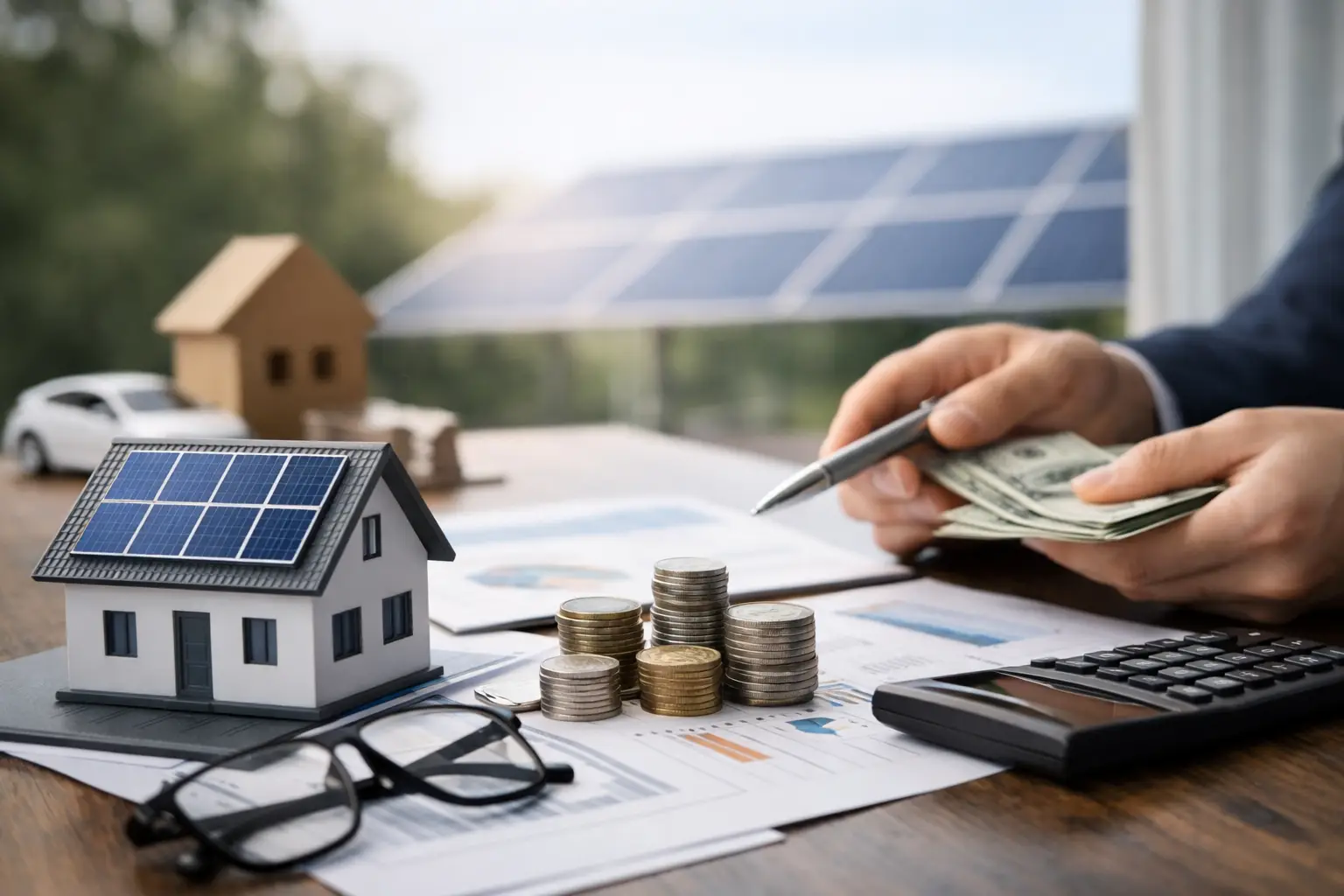
Best Solar Financing Options for 2026
Sticker shock is where many solar projects stall. A homeowner likes the idea of lower electric bills. A business owner wants more control over monthly overhead. Then the proposal lands, and the first question is not about panels or batteries. It is about money. That is why understanding the best solar financing options matters just as much as choosing the right system.
For families and property owners across Southern California, the right financing can turn solar from a someday project into a practical upgrade now. The key is not finding one “perfect” option. It is matching the financing structure to your cash flow, tax situation, property goals, and how long you plan to keep the building.
What makes the best solar financing options different?
The best option is usually the one that lowers your total energy cost without creating pressure somewhere else in your budget. A low monthly payment can look attractive, but if it stretches too long or carries a high dealer fee, the long-term cost may be higher than expected. On the other hand, paying cash may deliver the strongest return, but it is not always the smartest move if that cash is needed for other priorities.
This is where a consultative approach helps. Solar financing is not just a payment plan. It affects incentives, ownership, resale value, and the timing of savings. For some customers, flexibility matters most. For others, the goal is maximizing tax benefits or bundling solar with a new roof, main panel upgrade, or battery storage.
Cash purchase: highest long-term value, biggest upfront cost
If you can pay cash, you usually avoid interest charges and get the clearest long-term savings. You own the system outright from day one, which typically means you can claim available tax benefits and keep the full value of the power it produces.
For homeowners who plan to stay put for years, this can be a strong financial move. For commercial property owners, cash can also simplify accounting and improve return over time. The trade-off is obvious. Tying up a large amount of capital is not realistic for every household or business, especially if there are other needed upgrades on the property.
Cash works best when preserving monthly cash flow is not the priority and when the buyer wants the lowest total project cost over the life of the system.
Solar loans: often the most practical fit
For many customers, solar loans sit in the sweet spot between affordability and ownership. You finance the system, make monthly payments, and still own the equipment rather than renting it. That ownership piece matters because it often allows you to access tax credits and increase property value more directly than third-party ownership models.
A good solar loan can make your monthly payment comparable to, or lower than, what you were already spending on electricity. That is why loans are often among the best solar financing options for budget-conscious homeowners. Instead of waiting years to save up, you start the project now and let the energy savings help support the payment.
Still, not all loans are equal. Interest rate, term length, dealer fees, and prepayment rules can change the real cost a lot. A longer term may lower the payment, but you can end up paying more over time. A lower advertised rate may come with higher upfront financing costs built into the project price.
This option is often strongest for people who want ownership, predictable payments, and a path to savings without a large upfront expense.
Secured vs. unsecured solar loans
Some loans are unsecured, meaning they do not use your home as collateral. These can be simpler and faster, but rates may be higher depending on credit profile. Secured loans may offer more favorable terms, but they can involve additional requirements. The right choice depends on your comfort level, credit situation, and timeline.
Home equity financing: useful, but not always ideal
Some property owners use a home equity loan or home equity line of credit to fund solar. This route can offer competitive rates, especially for customers with strong equity and credit. It can also provide flexibility if the project includes more than just panels, such as roofing, electrical work, gutters, or battery storage.
The downside is that the financing is tied to your home equity, and approval can take longer than a purpose-built solar loan. It may also add complexity if you are trying to move quickly or if you want a financing product designed specifically around energy improvements.
This can be a strong option when the solar project is part of a broader home improvement plan and the property owner wants flexibility in how funds are used.
Solar leases and power purchase agreements
Leases and power purchase agreements, often called PPAs, reduce the upfront burden because the customer usually pays little or nothing to get started. Instead of owning the system, you pay a monthly lease amount or pay for the electricity the system generates.
For some households, this makes solar accessible right away. If the main goal is lowering upfront cost and avoiding system ownership responsibilities, it can be a workable path. This can be especially helpful for customers who want immediate bill relief but are not in a position to buy.
But there are trade-offs. Since you do not own the system, you generally do not receive the same ownership-related tax benefits. Escalator clauses can also increase payments over time, and selling a property with a lease or PPA may require extra coordination.
These plans are best for customers who need the lowest entry point and are comfortable trading some long-term upside for short-term accessibility.
PACE financing: appealing on paper, but needs careful review
PACE financing is tied to the property through an assessment, rather than a traditional consumer loan. For some buyers, it can create a path to funding energy upgrades when other financing options are limited. It may also work for projects that include several property improvements together.
That said, PACE is not automatically the best deal. Fees, repayment structure, and transfer considerations can make it more complicated than customers expect. Because it is attached to the property tax bill, it is important to understand exactly how repayment works and how it could affect future sale or refinance plans.
PACE may fit some situations, but it should be reviewed slowly and compared directly against standard solar loans before moving forward.
Commercial solar financing has its own math
For business owners, choosing financing is not just about lowering the utility bill. It is also about preserving working capital, managing taxes, and protecting the business from rising operating costs. A cash purchase may provide the strongest return, but many businesses prefer to keep capital available for payroll, inventory, expansion, or equipment.
That is why commercial loans can be attractive. They allow a business to install solar and possibly storage while maintaining liquidity. Depending on the business structure, there may also be tax advantages tied to depreciation and credits. Lease structures can also work in commercial settings, especially when simplicity matters more than ownership.
The best choice depends on how the business values cash flow versus long-term asset ownership. A restaurant, warehouse, office, or retail property may each look at the same project very differently.
How to compare the best solar financing options
Do not compare financing based on monthly payment alone. That is where many buyers get steered into something that feels affordable now but costs more later. Look at total repayment, who owns the system, whether there are dealer fees, whether there is a prepayment penalty, and how incentives are handled.
It also helps to ask what happens if your usage changes. If you plan to add air conditioning, an EV charger, or battery storage later, the financing should make room for your real energy plan, not just your current bill. A solar project should fit the property as it will be used over the next several years.
For many local customers, the financing conversation also needs to be clear and comfortable. That means plain-language explanations, bilingual support when needed, and enough time to compare options without pressure. Accessible Solar & Energy Storage works with this kind of practical mindset because affordability is not just about getting approved. It is about helping people understand what they are agreeing to.
Which option is best for you?
If you want the strongest overall return and have funds available, cash is hard to beat. If you want ownership with manageable monthly payments, a solar loan is often the leading choice. If upfront cost is the biggest obstacle, a lease or PPA may help you get started. If the project is part of a larger property upgrade, home equity financing or another bundled approach may make more sense.
The right answer depends on your budget, your tax position, and how long you expect to keep the property. It also depends on whether you are financing only solar or combining it with roofing, electrical work, and battery storage.
A good solar project should make life easier, not more confusing. The financing should support that goal. When the numbers are explained clearly and matched to your needs, clean energy stops feeling out of reach and starts feeling like a smart next step.


Leave A Comment