


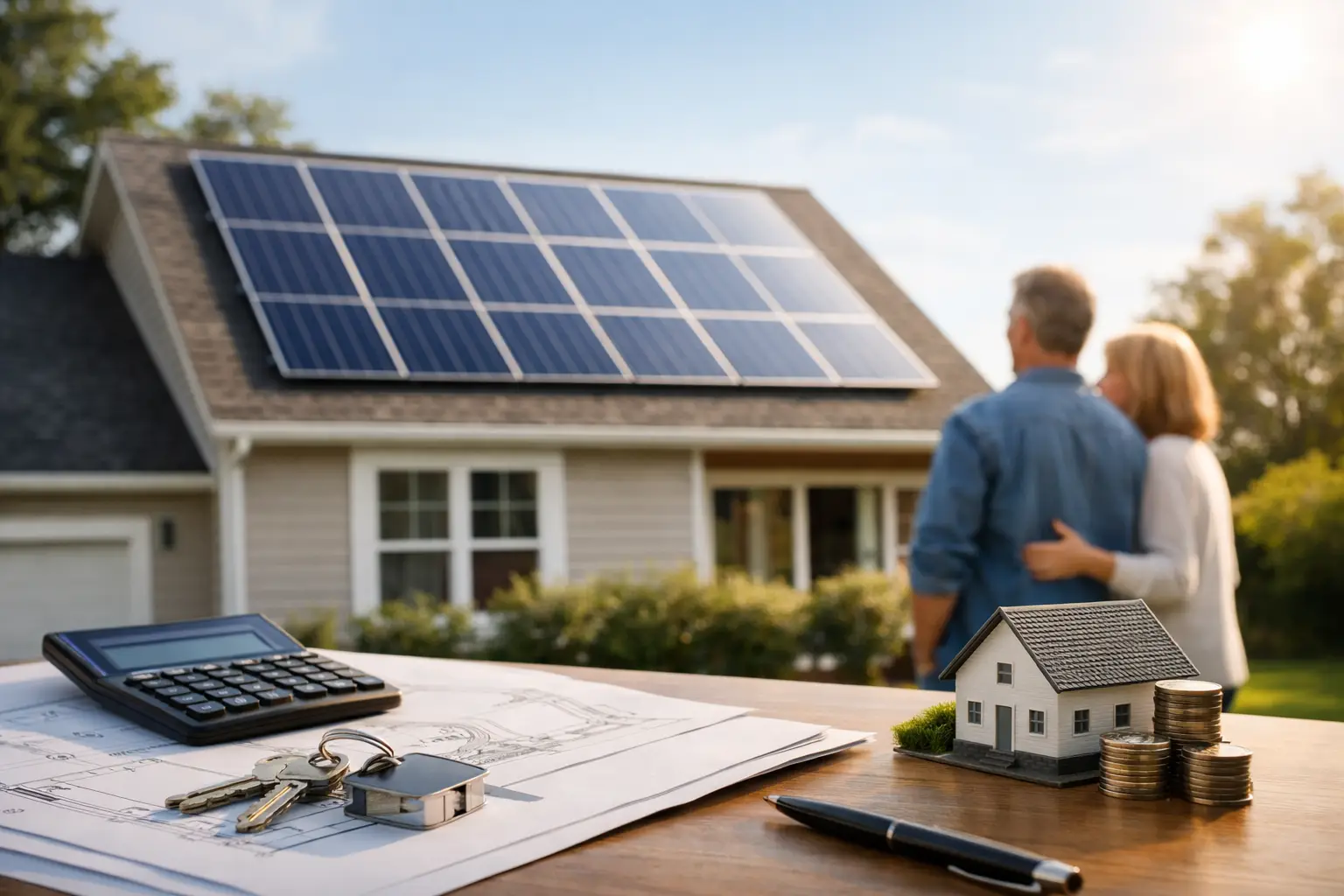
Solar Roofing Buyer Guide for Smart Savings
A roof replacement is already a major decision. Add solar to the mix, and the stakes get higher fast. This solar roofing buyer guide is here to make that decision clearer, especially if you want lower utility bills without ending up with mismatched contractors, surprise upgrades, or a system that does not fit your property.
For many homeowners and business owners in Southern California, solar roofing sounds appealing because it combines two needs into one project. But the best choice depends on your roof condition, your budget, your energy goals, and how long you plan to stay in the property. A good buying decision starts with the right questions, not just the lowest quote.
What solar roofing really means
People use the term solar roofing in a few different ways. Sometimes they mean traditional solar panels installed on top of an existing roof. Other times they mean integrated solar roofing products that sit closer to the roofline or replace parts of the roof itself. And in some cases, they mean a bundled project where roofing and solar are handled together, even if the products are separate.
That distinction matters. Traditional panels are often the most cost-effective option and usually produce strong energy output for the price. Integrated products may offer a cleaner look, but they can cost more and may have fewer installer options. A bundled roof-and-solar project can be the smartest path if your roof is aging, because it prevents you from paying for solar now and then paying again later to remove and reinstall it for a reroof.
When solar roofing makes sense
If your roof has less than 10 years of useful life left, solar roofing should not be treated as a stand-alone purchase. It is usually better to evaluate the roof and solar together. The same goes for homes with visible wear, active leaks, damaged underlayment, or structural issues that could affect installation.
Solar roofing also makes sense when you want to streamline multiple upgrades at once. Many property owners need more than panels alone. They may need electrical panel work, battery storage, gutters, or roof repairs to bring the whole project together. Handling those pieces under one plan can save time, reduce finger-pointing between trades, and make financing easier to manage.
If your roof is newer and in great shape, a standard solar panel system may still be the better value. You do not want to pay for a roofing solution you do not actually need.
A solar roofing buyer guide should start with roof condition
Before you compare products, compare your roof to your long-term plans. A 20-year solar investment sitting on a roof with only five years left is usually a poor setup. Even the best solar equipment cannot fix a roof that is already near the end of its life.
A proper site evaluation should look at roof age, material type, slope, orientation, shading, and usable space. Tile, composition shingle, and flat commercial roofs all come with different installation details. The goal is not just to see whether solar can fit, but whether it should be installed now, later, or as part of a bundled roofing project.
Ask for a straight answer on remaining roof life. If a contractor avoids that conversation, that is a problem. You want a partner who is willing to tell you when a reroof should happen first.
Cost is more than the equipment price
One of the biggest mistakes buyers make is comparing quotes based only on system size or total price. Solar roofing projects can include real cost differences that do not show up in a quick headline number.
For example, one quote may include roof work, permit handling, electrical upgrades, and monitoring setup, while another leaves those items out until later. That cheaper quote may not stay cheaper for long. If you need a new main service panel, added structural work, or roof prep before installation, those costs should be discussed early.
Integrated solar roofing products also tend to carry a higher upfront cost than traditional panel systems. Some buyers accept that premium for aesthetics. Others would rather put the difference toward battery storage, which may provide more practical value during outages and high evening utility rates. It depends on what matters most to you.
Financing can change the right answer
For budget-conscious buyers, the best system on paper is not always the best system in real life. Monthly payment, eligibility, and project bundling can be more important than choosing the flashiest equipment.
That is why financing deserves just as much attention as hardware. A solar roofing project may involve solar, roofing, storage, and electrical improvements all under one budget. If those items are financed together, the project may be much more manageable than trying to arrange each service separately.
Ask whether the proposal is designed around your monthly goal or just the contractor’s preferred package. You also want to know how incentives, tax benefits, and utility savings affect the bigger picture. Clear guidance matters here, especially for first-time buyers who do not want to sort through industry jargon on their own.
Warranties matter, but only if they are clear
A strong warranty is helpful, but buyers often hear the word warranty without getting the details that actually matter. In a solar roofing project, you may have separate coverage for panels, inverters, batteries, roofing materials, workmanship, and roof penetrations.
That can get confusing quickly. If something goes wrong, who is responsible? The manufacturer? The roofing contractor? The installer coordinating both? This is one reason many customers prefer a one-stop project partner instead of managing several companies themselves.
Look for simple answers to a few key questions. How long is the workmanship warranty? Who handles service calls? What happens if the roof leaks near the solar attachment area? Are monitoring and troubleshooting included? A good provider will explain this without making you chase down fine print.
How to compare solar roofing options without getting overwhelmed
Traditional panels vs integrated solar roofing
Traditional solar panels are still the most common choice because they usually offer the strongest value. They are widely available, easier to service, and often produce more power per dollar spent. For many homes and businesses, that is the practical answer.
Integrated solar roofing can make sense if curb appeal is a top priority or if you are already doing a major roof replacement and want a more unified look. Just go in with realistic expectations on price, product availability, and repair logistics. Beautiful design has value, but it should be weighed against output, serviceability, and long-term cost.
The right choice is often less about what looks best in a brochure and more about how your property, budget, and energy habits line up.
Ask about battery readiness
Even if you are not adding storage right away, your project should be planned with battery readiness in mind if possible. Utility rates in California continue to push customers toward using more of their own stored energy, especially in the evening.
A solar roofing system without battery planning can still work well, but adding storage later may be easier and more affordable if the electrical design accounts for it now. This is especially valuable for homes in outage-prone areas and businesses that cannot afford interruptions.
Pay attention to the installer’s coordination process
Solar roofing is not just a product purchase. It is a project management test. If roofing, solar, electrical work, permits, and inspections are all involved, coordination becomes a major part of the customer experience.
Ask who schedules each phase, who communicates updates, and who you call if something changes. This is where a service-led company stands out. Buyers do not want a stack of subcontractor numbers. They want a clear plan and one dependable point of contact.
For many local customers, that kind of support is what turns a stressful upgrade into a manageable one.
Red flags to watch for in any solar roofing buyer guide
Be cautious if a company pushes solar without checking the roof carefully, avoids discussing financing details, or gives a quote that feels too neat for a complicated property. Watch out for vague promises about savings without reviewing your real utility usage. Be equally cautious of pressure tactics that rush you into signing before you understand scope, timeline, and warranty coverage.
A trustworthy provider should be comfortable educating you. That includes telling you when a smaller system is enough, when a roof upgrade should come first, or when battery storage is worth the extra investment.
The best buying decision is the one that fits your property
There is no single perfect solar roofing setup for every customer. A newer home with a healthy roof may benefit most from standard panels and future battery planning. An older property may be better served by bundling a new roof, solar, and electrical upgrades into one financed project. A business owner may care more about daytime energy offset and payback, while a homeowner may care more about payment stability and backup power.
That is why a consultative approach matters. If you are comparing options in Southern California or Tijuana, work with a team that will look at the whole property, not just the solar portion. Accessible Solar & Energy Storage is built around that kind of support, with guidance that keeps affordability, education, and real project coordination front and center.
The best next step is simple: get your roof and energy needs evaluated together, so your solar investment starts on solid ground.


Leave A Comment