


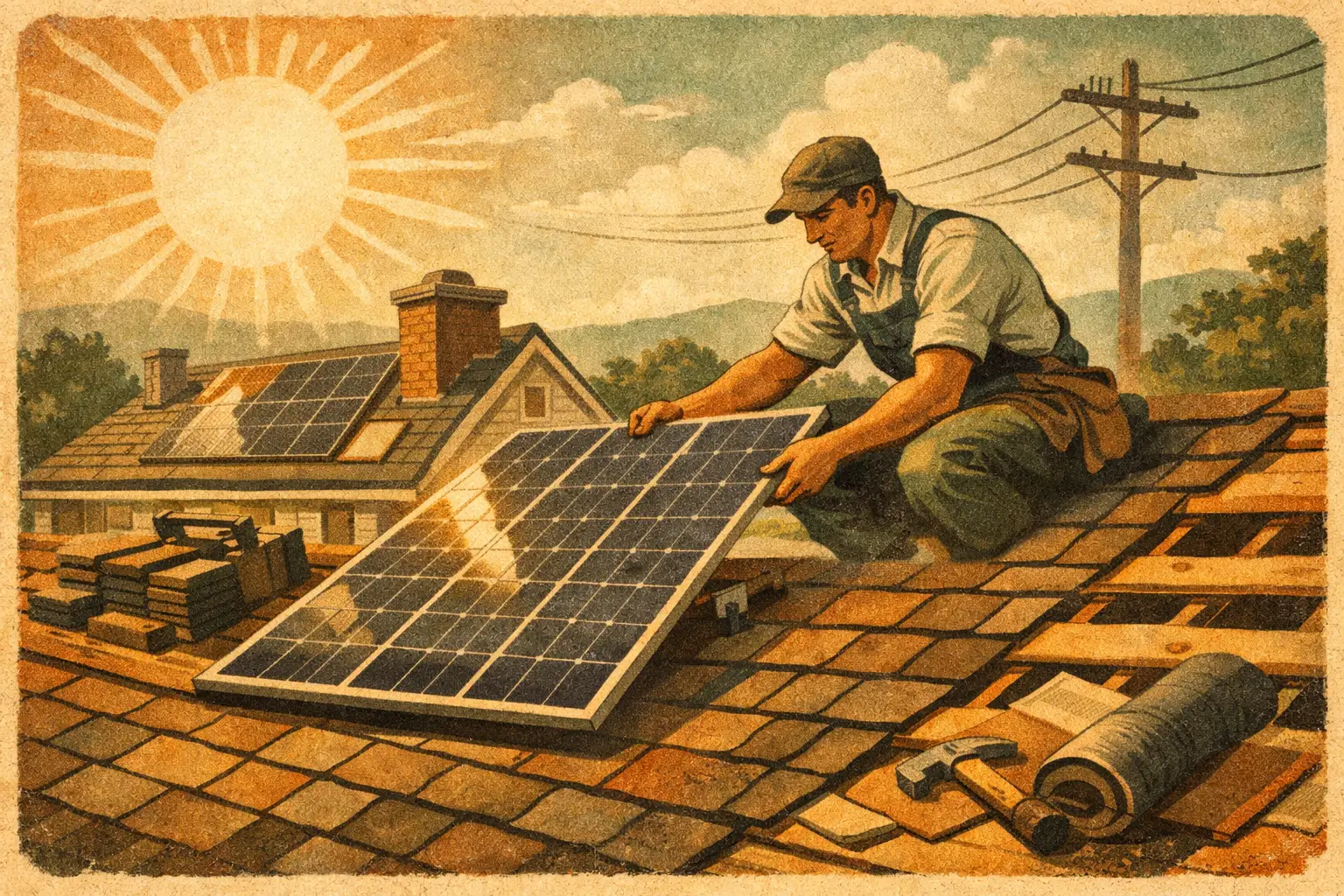
How to Bundle Solar and Roofing Right
If your roof has 5 to 10 years left and you are thinking about solar now, waiting can get expensive. Taking panels off later so you can reroof adds labor, delays, and extra paperwork. That is why many homeowners ask how to bundle solar and roofing instead of treating them as two separate projects.
For most properties, bundling makes sense when the roof is aging, the electric bill is high, or you already know other upgrades are coming, like a main panel change or battery storage. The goal is not just convenience. It is making sure your roof, solar system, financing, and installation timeline all work together the first time.
Why bundling solar and roofing usually saves money
The biggest benefit is avoiding duplicate work. If you install solar on an older roof and replace that roof a few years later, the solar system has to come down and go back up. That means added labor, permit coordination, and time without production.
Bundling can also improve project planning. Your roofer and solar team can align around attachment points, material choices, roof layout, and structural needs before work begins. That often leads to fewer surprises during installation.
There is also a financing advantage. Many property owners prefer one monthly payment or one coordinated approval process instead of trying to piece together separate loans. For budget-conscious households, that can make the project feel more realistic and easier to manage.
Still, bundling is not always the right move. If your roof is relatively new and in strong condition, you may not need a reroof at all. A good inspection matters because replacing a healthy roof just to package the project is not a smart use of money.
How to bundle solar and roofing without creating headaches
The best bundled projects start with the roof, not the panels. Solar should sit on a surface that is ready for the long term. If the roof is near the end of its life, replacing it first or coordinating both jobs together is usually the better path.
Start with a full roof assessment
Before anyone talks system size or production estimates, confirm the roof condition. You want to know the age of the roof, the type of material, whether there are active leaks, and whether any decking or underlayment issues could affect installation.
This step matters because a solar proposal based only on satellite images can miss real-world roof problems. An on-site evaluation gives you a more honest picture of what should happen first.
Match the roof timeline to the solar timeline
Once the roof condition is clear, line up the sequence. In many cases, the reroof happens first, then solar follows after the new roof is ready. In some bundled projects, both scopes are sold together and coordinated under one project plan, even if the actual crews arrive in phases.
What you want to avoid is a gap where the roof gets replaced but the solar design, permits, or financing are still unresolved. That can drag out the project and create frustration. Good coordination keeps each phase moving.
Include all related upgrades early
A lot of solar projects involve more than panels. You may need an electrical panel upgrade, battery storage, gutter work, or roof repairs beyond the original estimate. If those items come up late, the budget and schedule can shift quickly.
This is where a one-stop-shop approach helps. When the same provider helps coordinate roofing, solar, storage, and electrical work, you are less likely to get caught between separate contractors blaming each other for delays or extra costs.
What to ask before signing a bundled project
A bundled proposal should be clear, not complicated. If it feels vague, ask more questions. A trustworthy contractor should be able to explain exactly what is included and what is not.
Start with scope. Ask whether the quoted price includes tear-off, underlayment, any damaged wood replacement, solar equipment, permits, inspections, and utility interconnection support. If battery storage or panel upgrades are part of the plan, confirm that in writing.
Then ask about who is managing the job. Some companies sell the project but hand major parts off with little communication. Others stay involved from consultation through final installation. For homeowners and business owners, the difference is huge.
Warranties deserve attention too. You should understand the workmanship coverage for the roof, the equipment warranties for the solar system, and who to call if something goes wrong after installation. Bundling should simplify support, not make responsibility harder to trace.
How financing works when you bundle solar and roofing
This is often the deciding factor for customers who want lower utility bills but need to keep the project affordable. Roofing and solar are both long-term investments, so many people prefer to finance them together if possible.
The exact structure depends on credit profile, property type, and the lender options available through your installer or project partners. Some customers qualify for one combined financing package. Others may use separate products for roofing and solar. There is no single setup that fits everyone.
What matters is looking at the whole monthly picture. A bundled payment may be easier to manage than paying for a roof now and trying to add solar later at a higher total cost. At the same time, you should compare the long-term financing terms carefully. Lower monthly payments can sometimes mean more interest over time.
For families and small business owners watching every dollar, this is where education matters. You want a team that can walk through the options in plain language, explain the trade-offs, and help you choose a path that fits your budget instead of pushing a one-size-fits-all package.
Common mistakes people make with bundled projects
One common mistake is focusing only on panel price and ignoring roof condition. Cheap solar on a worn-out roof can become expensive solar very quickly.
Another mistake is assuming every company that offers both services actually coordinates them well. Selling a bundle is not the same as managing one. Ask how scheduling, communication, and change orders are handled.
Some property owners also skip structural or electrical review until late in the process. That can lead to added costs after you are already emotionally committed to the project. A solid consultation should surface likely issues early.
And finally, some customers rush because they want to lock in savings fast. Speed matters, but so does getting the design and scope right. A well-planned project usually beats a rushed one that needs corrections.
When bundling makes the most sense
Bundling is usually a smart move if your roof is older, your utility bills are rising, and you plan to stay in the property long enough to benefit from both upgrades. It can also be a strong fit for homeowners who want battery backup soon, since combining work often reduces disruption.
For commercial properties, bundling can be especially useful when downtime needs to be planned carefully. Coordinating roofing and solar together may help reduce operational interruptions and give business owners a clearer capital plan.
In Southern California and Tijuana, where sun exposure makes solar attractive and many buildings have aging roofs, the timing often works in favor of combining both. The key is making sure the roof, electrical system, and energy goals are evaluated as one project instead of in isolation.
Choosing a partner you can actually trust
A bundled project is not just about products. It is about coordination, communication, and follow-through. You want a team that explains things clearly, respects your budget, and stays available when questions come up.
That is especially important if this is your first solar project or if you prefer bilingual support for the process. Good service means you do not have to chase down answers or translate contractor jargon just to understand what is happening at your own property.
Accessible Solar & Energy Storage focuses on this kind of practical guidance because many customers are not looking for a fancy sales pitch. They want honest answers, financing support, and a clear path to getting the roof and energy upgrades done right.
If you are weighing how to bundle solar and roofing, start with the roof condition, ask for a complete project review, and make sure the financing and installation plan fit your real budget. The right bundled project should leave you with more confidence, not more moving parts.
A good home upgrade should make life simpler every month after the work is done. That is the standard worth holding out for.


5 Comments