


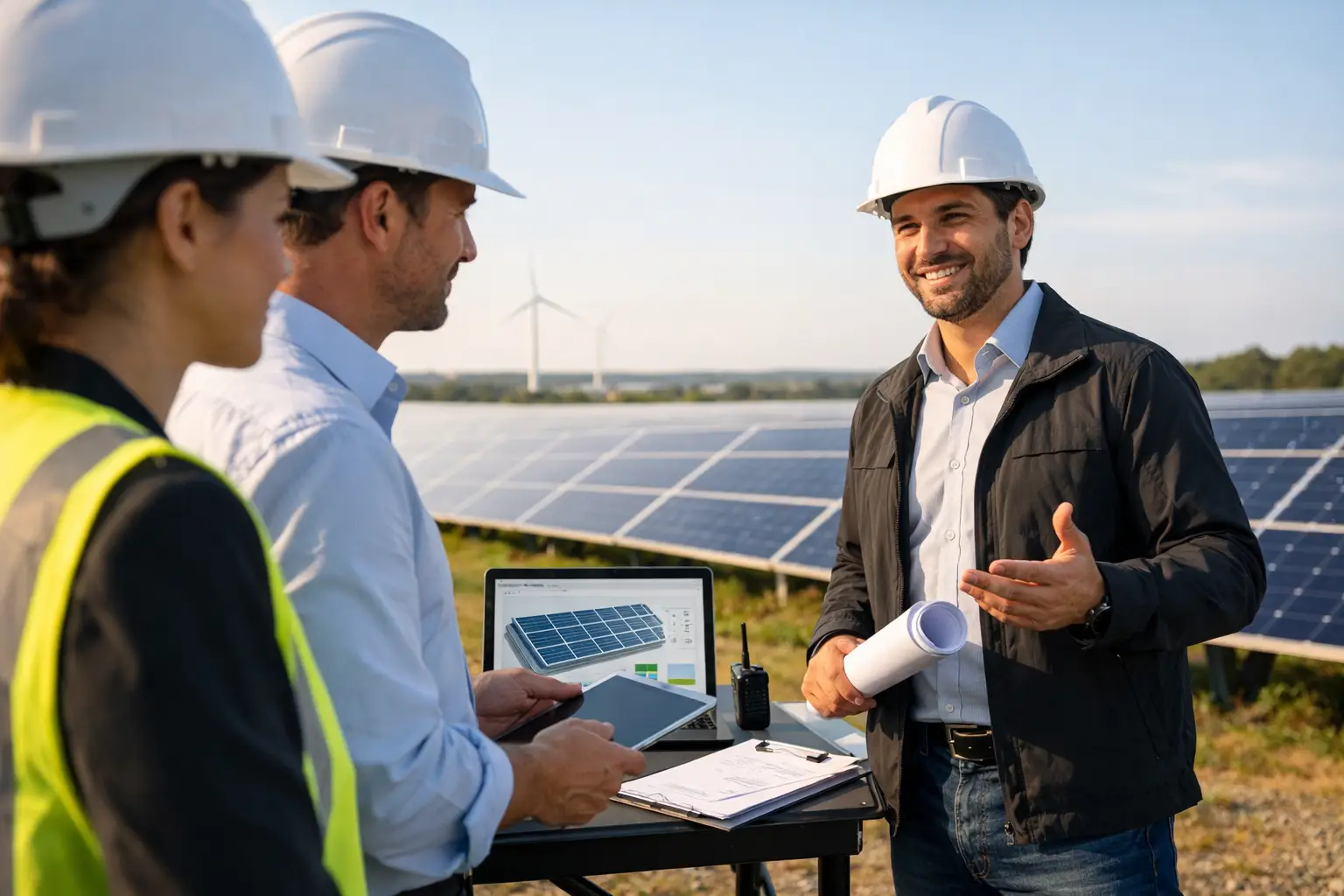
Solar Project Management Services That Simplify
A solar quote can look simple until the work begins. Your property may need a roof assessment, electrical panel upgrade, battery planning, utility paperwork, permits, and a schedule that works around your family or business. Solar project management services bring those moving pieces together so you are not left trying to coordinate several contractors on your own.
For homeowners and business owners across Southern California and Tijuana, good project management is not an extra. It is how a solar investment stays organized, practical, and connected to your actual energy goals. Whether you want lower monthly utility costs, backup power during outages, or a larger upgrade that includes roofing and electrical work, the right coordination can make the process far less stressful.
What Solar Project Management Services Actually Cover
Solar project management is the planning and coordination behind a completed energy system. It starts before panels are installed and continues through final inspection, permission to operate, and system handoff. The goal is straightforward: identify what the property needs, put the work in the right order, and keep the customer informed.
A properly managed project begins with an on-site evaluation. This is where the team reviews roof condition, shade, available electrical capacity, energy use, and the homeowner’s or business owner’s priorities. A family looking for evening backup power may need a different design than a business focused on reducing daytime operating costs.
From there, project management connects the system design to real-world requirements. That can include coordinating solar panel installation, battery storage, solar roofing, electrical panel work, gutters, and related upgrades. Not every property needs every service. The value is having one clear plan instead of discovering late in the process that the roof or electrical system needs attention first.
Why Coordination Matters Before Installation Day
Solar panels are designed to last for decades. That makes the condition of the surface beneath them a major consideration. If a roof is near the end of its service life, installing panels first can create unnecessary expense later when they must be removed and reinstalled for a roof replacement.
The same thinking applies to electrical equipment. Older panels, limited breaker space, or a service capacity that does not support the planned system may require an upgrade. A project manager helps identify these issues early, explains the options in plain language, and builds the needed work into the schedule.
This is especially helpful when adding battery storage. A battery is not simply an add-on that works the same way at every property. The design should reflect which circuits you want powered during an outage, how much energy your household or business uses, and how long you want backup power to last. A coordinated plan prevents surprises and helps ensure the system matches the reason you are investing in it.
The Customer Experience Should Be Clear
A solar project involves technical details, but the customer should not have to become a solar expert to make a confident decision. Clear communication is one of the most valuable parts of project management.
You should know what happens next, who is responsible for it, and what could affect timing. Permit review periods can vary by jurisdiction. Utility approvals can take time. Weather, material availability, roof repairs, and electrical upgrades may also change the installation schedule. A trustworthy provider does not promise that every project will follow an identical timeline. Instead, they explain the process, set realistic expectations, and keep you updated when conditions change.
For many local customers, bilingual support matters too. Major home and business improvements come with contracts, financing questions, and technical choices. Being able to discuss those details comfortably in English or Spanish helps families make decisions with greater confidence.
A Practical Solar Project Timeline
Each property is different, but most well-managed solar projects follow a similar path. First comes the consultation and property evaluation. This is the time to discuss electricity bills, future energy needs, goals for storage, roof condition, and budget.
Next, the system is designed and financing options are reviewed. The best choice depends on your situation. Some customers prioritize the lowest upfront cost. Others focus on payment predictability, long-term ownership, or including related upgrades in one project. Financing can make solar more accessible, but it should be explained clearly, including payment terms and how the proposed system supports your energy goals.
After the agreement and design are finalized, the project moves into permitting and utility coordination. If roofing, panel upgrades, or other site work is needed, those tasks should be scheduled in the proper sequence. Then comes installation, followed by inspection and utility approval to activate the system.
The final step is often overlooked: customer education. You should understand how to monitor production, what the equipment does during an outage, and whom to contact if you have questions. A system is more useful when its owner knows how it works.
What to Ask Before Choosing a Provider
The right provider should welcome questions, not rush past them. Ask whether the company coordinates the entire project or expects you to manage roofing, electrical, and other contractors separately. Ask how they evaluate roof condition and electrical capacity before presenting a final plan.
It is also reasonable to ask how permitting, inspections, and utility paperwork will be handled. These details affect both timing and peace of mind. You want a team that knows the local process in the counties and communities it serves.
For storage, ask which loads will receive backup power and what the battery can realistically support. Running a few essential circuits is different from backing up an entire large home or commercial facility. The answer should be based on your priorities, not a one-size-fits-all promise.
Finally, ask for a clear point of contact. When several trades are involved, a single team that takes responsibility for communication can save time and prevent confusion.
Solar, Storage, and Home Upgrades Work Better as One Plan
Bundling related improvements can be a smart approach, particularly for property owners who want to avoid repeating construction work later. Replacing an aging roof before solar installation, improving electrical capacity before adding storage, or addressing gutter work while crews are already scheduled can reduce disruption and help protect the investment.
That does not mean every project should be bundled. If your roof is in good condition and your electrical panel has adequate capacity, a straightforward solar installation may be the right fit. The important thing is receiving an honest assessment before work begins.
For business owners, planning matters even more because installation timing can affect customers, staff, and operations. A coordinated project can account for access, safety, delivery schedules, and the need to minimize downtime. The system should support the business, not create avoidable interruptions.
Making Clean Energy More Accessible
Solar should not feel like an upgrade reserved for only a few property owners. With thoughtful planning, clear financing guidance, and a team that can coordinate the details, clean energy can be a practical option for households and businesses with many different needs and budgets.
Accessible Solar & Energy Storage approaches each project as a partnership. The conversation starts with your property, your utility costs, and what you want your energy system to do for you. From there, the work is organized around a plan that makes sense, whether that includes solar alone or a broader combination of storage, roofing, and electrical upgrades.
A good solar project does more than place panels on a roof. It gives you a clearer path toward lower energy costs, greater preparedness, and more control over how your property is powered. Start with a conversation, ask direct questions, and choose a project partner who will stay accountable from the first assessment through the day your system is ready to produce.


Leave A Comment