


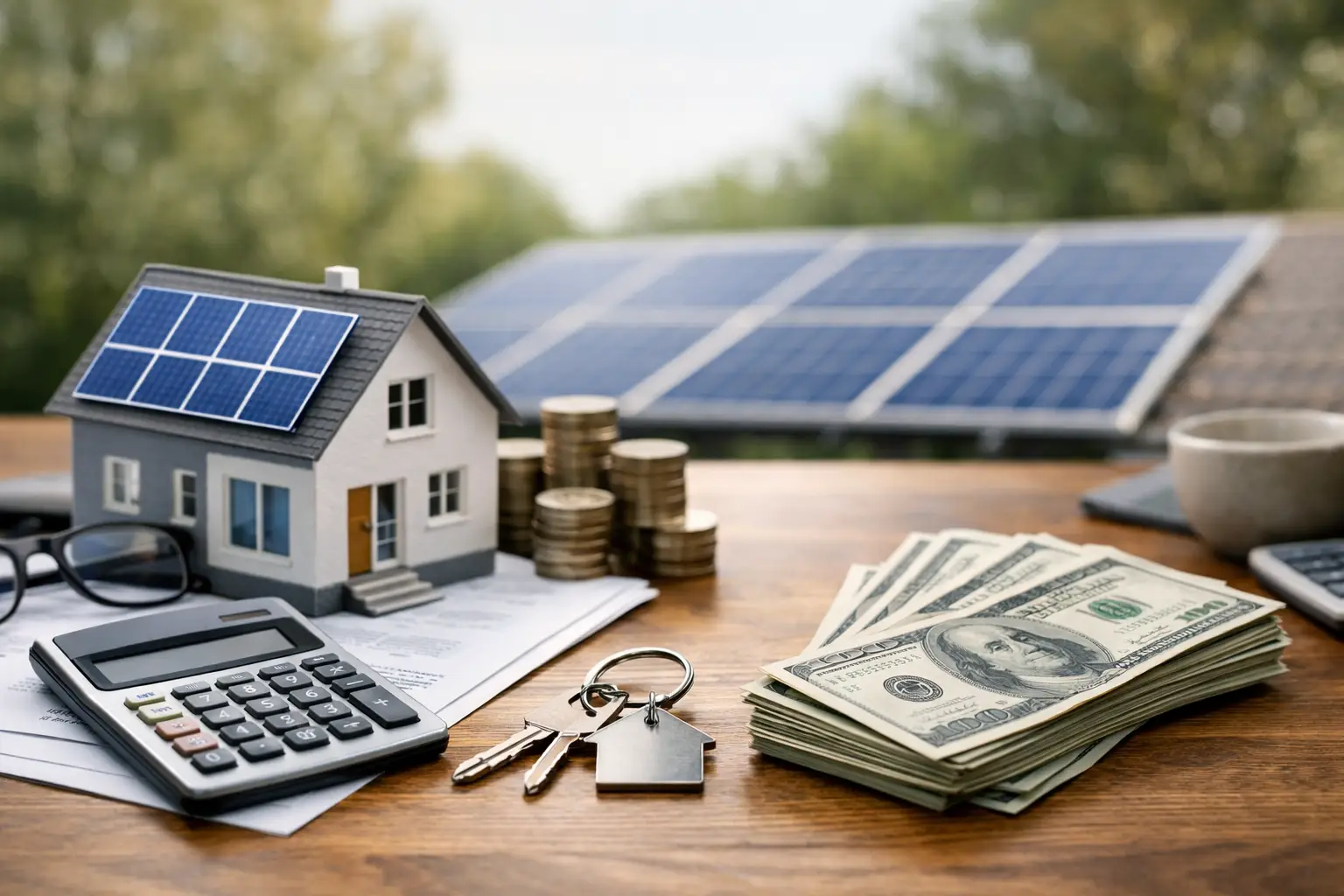
Solar Loan Versus Cash Purchase
When a homeowner asks about solar loan versus cash purchase, they usually are not asking a finance question first. They are asking a life question: Do I want the lowest long-term cost, or do I want to start saving without draining my bank account? That is the real decision, and the right answer depends on your cash flow, tax situation, and how long you plan to keep the property.
For many families and business owners in Southern California, utility bills are already high enough to make solar worth serious attention. But the way you pay for the system can change your monthly budget, your total return, and how comfortable you feel moving forward. A good solar plan is not just about panels on the roof. It is about choosing a path that fits your finances today while still helping you build energy independence over time.
Solar loan versus cash purchase: what changes most?
Both options can help you own your solar system and benefit from the electricity it produces. That ownership matters because it usually means you keep the long-term value of the system, including utility savings and any added property appeal that comes from lower energy costs.
The biggest difference is simple. With a cash purchase, you pay more upfront and less overall. With a solar loan, you preserve your cash but usually pay more across the life of the financing. Neither option is automatically better. It depends on what your money needs to do for you right now.
If you have the available funds and want to maximize long-term savings, cash often wins. If you want to go solar sooner, keep your savings intact, or bundle a system with roofing, battery storage, or electrical upgrades, financing can make the project much more accessible.
When paying cash makes the most sense
A cash purchase is usually the cleanest financial picture. You pay for the system upfront, avoid interest charges, and begin benefiting from the full monthly utility savings once the system is operational. If your electric bill has been rising year after year, that can make the return on investment easier to appreciate.
Cash can also make payback faster. Since there is no monthly loan payment, the savings from your solar production are not being offset by financing costs. Over time, that can translate into the strongest overall value.
There is another practical benefit that people sometimes overlook. Owning the system free and clear can feel simpler. There is no lender, no financing paperwork to manage after installation, and no concern about interest rates or loan terms. For some property owners, that peace of mind is worth a lot.
Still, paying cash is not always the smart move just because it is available. If using cash would leave you with too little emergency savings, force you to delay other important repairs, or create stress around business or household liquidity, the math may look good on paper but feel wrong in real life.
When a solar loan makes more sense
A solar loan is often the better fit for people who want the benefits of ownership without a large upfront payment. That can be especially helpful for working families, first-time solar buyers, and business owners who prefer to keep capital available for other priorities.
In many cases, the goal is straightforward: replace part of a high utility bill with a manageable solar payment. If the monthly loan cost is close to or lower than what you are used to paying the utility, the transition can feel easier and more predictable.
Financing also gives people room to think bigger. Instead of choosing a smaller system because of immediate budget limits, they may be able to include battery storage, a new roof, or an electrical panel upgrade as part of the overall project. That matters in older homes and commercial properties where solar is only one piece of the energy plan.
For a company like Accessible Solar & Energy Storage, this is where consultative support matters most. A loan is not just a payment tool. It can be what makes a complete, well-designed energy upgrade possible for customers who otherwise would have to postpone it.
The tax credit question matters more than people think
One of the most common points of confusion in solar loan versus cash purchase decisions is the federal tax credit. In both cases, eligible customers may be able to claim the tax credit if they purchase and own the system, but the timing and practical use of that benefit matter.
With cash, some homeowners are comfortable waiting until tax season to see that value reflected. With a loan, certain financing structures assume you will apply the tax credit toward the loan balance within a set period. If that does not happen, your monthly payment may increase later.
That does not mean financing is a problem. It just means expectations should be clear from the start. Tax credits are not the same as a rebate check that automatically lands in your account right after installation. Your eligibility depends on your tax situation, and that is worth reviewing carefully with a qualified tax professional.
Look beyond the monthly payment
A low monthly payment can sound attractive, but it should not be the only number guiding the decision. The better question is what the system will cost over time and how that compares with your expected utility savings.
With cash, your upfront cost is higher, but your lifetime project cost is lower. With a loan, your entry point is easier, but interest and financing structure can increase the total amount paid. Some loans also include dealer fees or different rate options that affect the economics in ways customers do not always see at first glance.
That is why side-by-side comparisons matter. It helps to look at the estimated utility savings, loan payment, total financed cost, and likely breakeven period together. A solar proposal should make those trade-offs clear in plain language, not bury them under jargon.
Your timeline matters too
How long you plan to keep the property can influence the better option. If this is your long-term home or business location, paying cash may produce the strongest overall value because you will have more years to benefit from the utility savings after the system pays for itself.
If you expect to move sooner, financing may still make sense, but the picture gets more nuanced. A buyer may see value in an owned solar system, whether it is paid off or financed, but the details matter. You want to understand whether the loan is transferable, whether it must be paid off during a sale, and how the local market views solar-equipped properties.
That does not mean shorter-term owners should avoid solar. It means the project should be structured with your exit timeline in mind.
Cash flow versus total return
This is where the decision becomes personal.
If your priority is maximizing return and lowering total project cost, cash is often the strongest choice. If your priority is preserving savings, staying flexible, and getting started without a major upfront hit, a loan may be the better path.
Neither approach is more responsible than the other. Some customers sleep better knowing they avoided debt. Others sleep better knowing they kept money in reserve for family needs, business operations, or unexpected repairs. Good planning respects both realities.
A few situations where the answer is clear
If paying cash would significantly strain your budget, financing is probably the safer option. If you have cash available but it is earning strong returns elsewhere or serving as critical operating capital, a loan may still be the smarter move.
If you strongly dislike interest and want the simplest ownership path, cash is appealing. If you need solar now because utility costs are already hurting your monthly budget, waiting years to save up may actually cost you more than financing the project today.
And if your project includes more than panels, such as storage, roofing, or electrical work, financing can help you solve the whole issue at once instead of handling it in pieces.
The best decision is the one you can sustain
There is no universal winner in solar loan versus cash purchase. There is only the option that aligns with your household or business goals. The best solar investment is not the one that looks perfect on a spreadsheet and creates pressure every month. It is the one that reduces your utility burden, supports your long-term plans, and feels manageable from day one.
If you are weighing the two, ask for a proposal that shows both paths clearly. Look at the monthly impact, the long-term cost, the tax credit assumptions, and any related upgrades the property may need. Clear answers build confidence.
Solar should feel accessible, not overwhelming. When the numbers are explained honestly and the financing options are matched to your real budget, the decision gets much easier. The goal is not just to install a system. It is to choose a payment path that helps you move toward a brighter, more independent energy future with confidence.


2 Comments