


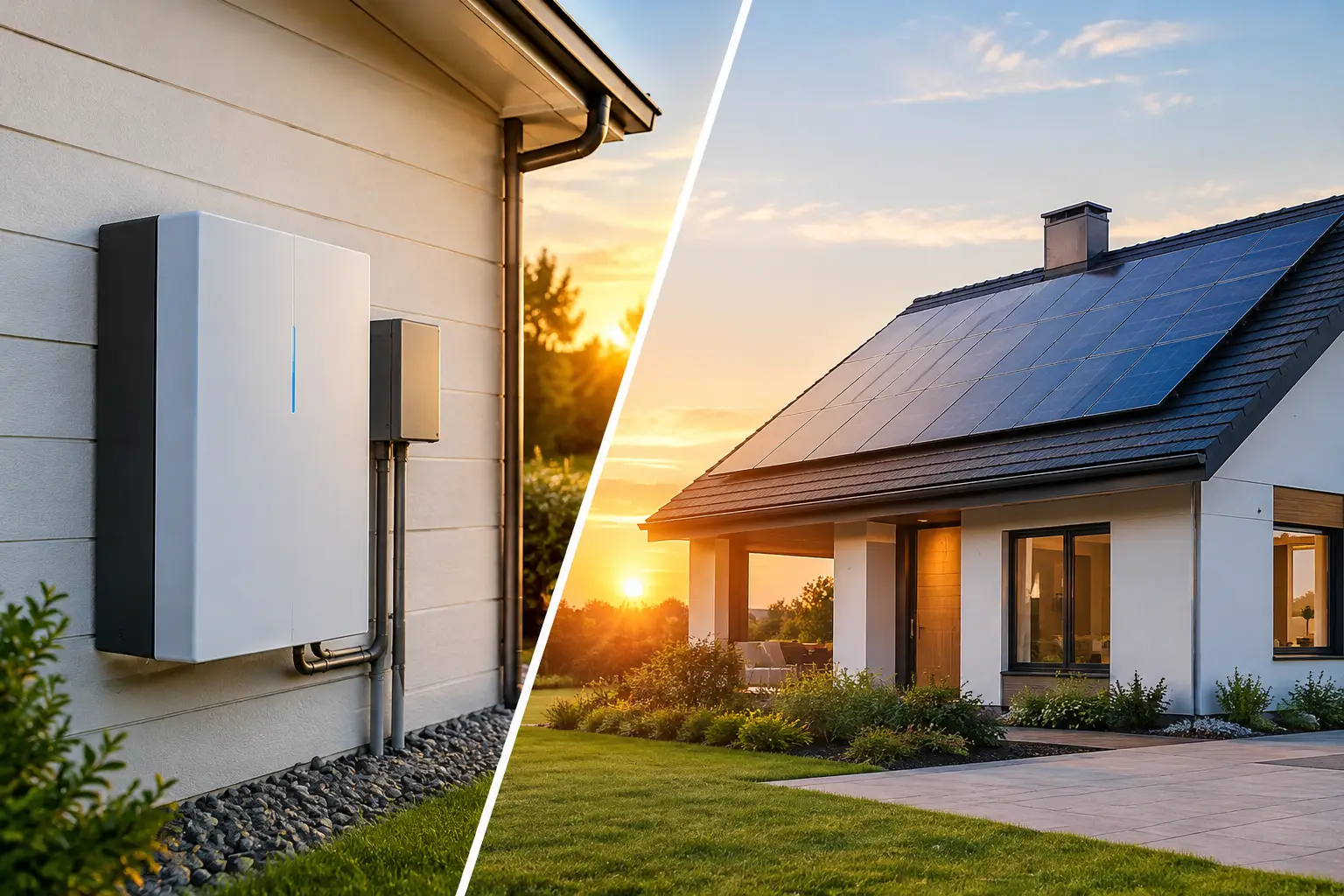
Solar Battery vs Whole House Backup: Which Fits?
A power outage does not wait for a convenient time. It can happen during a heat wave, while you are working from home, or just as the refrigerator is full after a grocery run. When comparing solar battery vs whole house backup, the key question is not simply how much battery capacity you can buy. It is what you need your home or business to keep running when the grid goes down.
For many Southern California property owners, a battery is a practical way to use more of their solar energy, reduce evening utility costs, and gain peace of mind during outages. But not every battery system is designed to power every circuit. Understanding the difference helps you invest in protection that fits your budget and daily needs.
Solar Battery vs Whole House Backup: The Real Difference
A solar battery stores electricity produced by your solar panels or, in some cases, lower-cost electricity from the grid. You can use that stored energy later, often during high-rate evening hours or when utility power is unavailable. A battery may be installed to serve a selected group of important appliances, or it may be sized and configured to support most or all of the property.
Whole house backup describes the level of coverage, not necessarily a separate kind of battery. A whole house backup system is designed to keep a much broader range of circuits operating during an outage. Depending on the system size and your energy use, that can include lights, outlets, refrigeration, internet, air conditioning, laundry equipment, pool equipment, and more.
The practical distinction comes down to three things: how many circuits are backed up, how much power those circuits require at one time, and how long you want to run them without the grid.
A single battery may be an excellent fit for essential loads. A whole house setup may require multiple batteries, solar production that can recharge them effectively, electrical upgrades, and a plan for managing high-demand equipment.
What Essential-Load Battery Backup Covers
An essential-load system backs up the circuits that matter most during an outage. This is often the more affordable and efficient option for households that mainly want to protect food, communication, safety, and comfort.
Common essential loads include refrigerators, a few lights, internet equipment, phone charging, garage door access, selected kitchen outlets, and certain medical devices. Depending on the battery and electrical design, it may also support a small number of fans or a modest mini-split air conditioner.
This approach asks a simple question: What do we truly need to keep operating for several hours or overnight? By separating priority circuits from high-demand equipment, you can make a battery system go much further.
For example, a homeowner may be comfortable leaving the central air conditioner, electric dryer, oven, and pool pump off during an outage. In exchange, one battery can provide reliable backup for the essentials without requiring a larger, more expensive installation.
What Whole House Backup Can Do
Whole house backup is appealing because it can make an outage feel far less disruptive. When utility service stops, the battery system can automatically take over, allowing much of the home to continue operating as usual.
That said, “whole house” does not always mean every appliance can run at the same time with no limits. High-power equipment can use stored energy quickly. Central air conditioning, electric vehicle charging, electric water heating, pumps, spas, and electric ranges can place major demands on a battery system.
A properly designed whole house system accounts for both battery capacity and power output. Capacity affects how long the batteries can supply energy. Power output affects how much equipment they can start and run at one time. A large home with central AC may need more than one battery, thoughtful load management, or both.
Solar panels can help extend backup time during daylight hours. If the sun is producing enough power, your solar system can run household loads and recharge the batteries. Overnight, during heavy cloud cover, or during periods of high use, stored battery energy becomes more limited.
Cost Depends on More Than the Battery
It is natural to compare battery prices first, but the full project cost may include more than storage equipment. Your property’s electrical setup plays a major role in what is required.
An essential-load backup installation can be simpler because it may use a dedicated backup panel for selected circuits. A whole house approach may require a larger transfer system, additional batteries, electrical panel work, or equipment upgrades to safely support the desired loads.
Older homes may need panel upgrades before they can accommodate solar, storage, or both. If you are already planning roofing work, a remodel, or an electrical upgrade, coordinating those projects can reduce repeated labor and help avoid unnecessary delays.
Financing can also change the decision. The right system is not always the largest system available. It is the one that gives you meaningful savings and dependable backup while keeping the monthly investment manageable.
How to Decide What You Need During an Outage
Start by thinking through a real outage at your property. Do not begin with the question, “Can I run everything?” Begin with, “What would create the biggest problem if it stopped working?”
If your priority is protecting refrigeration, internet access, lighting, medical equipment, and a few outlets, essential-load backup may provide exactly the peace of mind you want. It can also be a strong choice for customers focused on managing utility rates and using more solar energy after sunset.
Whole house backup may make more sense if you work from home, have a large household, depend on powered equipment, regularly experience outages, or want to maintain broader comfort during a blackout. It can be especially valuable when a property uses critical systems that cannot easily be shut down.
Your lifestyle matters just as much as your square footage. A smaller home with central air and an electric vehicle may require more backup planning than a larger home with gas appliances and modest electricity use.
Consider Your Biggest Energy Users
Before choosing either option, identify the appliances that draw the most electricity. This step often brings clarity quickly. Air conditioning, electric heating, electric dryers, ovens, water heaters, pool pumps, well pumps, and EV chargers are common high-demand loads.
You do not necessarily need to exclude these items. You may simply need a plan. Some homeowners choose load management that temporarily limits certain appliances when the home is running on battery power. Others install enough storage to support more equipment for longer periods.
A professional site evaluation can review your utility usage, panel capacity, solar production, roof condition, and the appliances you want protected. This avoids a common mistake: purchasing a battery based on a nameplate capacity without checking whether it can handle the home’s actual electrical demand.
Solar Makes Backup More Valuable
A battery can work without solar, but solar and storage are stronger together. Solar panels produce power during the day, while the battery saves energy for later. During an outage, solar can help recharge the battery and extend the time your property stays powered.
For customers facing higher electricity costs in the evening, storage can also help reduce dependence on the grid when rates are often less favorable. The savings potential depends on your utility plan, energy habits, system design, and local program rules, so a personalized estimate matters.
For a new solar customer, adding battery storage from the beginning can create a more integrated design. For an existing solar customer, storage may be added later if the system and electrical equipment are compatible.
Do Not Let “Whole House” Oversell the System
The phrase whole house backup sounds simple, but it should come with a clear conversation about expectations. Ask how long the system can run under typical use, which high-demand appliances can operate, whether AC is included, and what happens if multiple large loads turn on at once.
A trustworthy proposal should show the difference between everyday energy savings and outage performance. Those are related benefits, but they are not the same. A battery that helps lower evening grid use may not automatically provide unlimited outage power.
At Accessible Solar & Energy Storage, the goal is to make that decision easier with a clear evaluation of your property, energy goals, financing options, and upgrade needs. Whether you need a focused essential-load system or broader whole house coverage, the best design starts with an honest look at how you live and what you cannot afford to lose when the power goes out.
A good next step is to write down your five most important electrical needs during an outage. That short list can turn a complicated battery conversation into a practical plan for a brighter, more reliable home or business.


Leave A Comment