


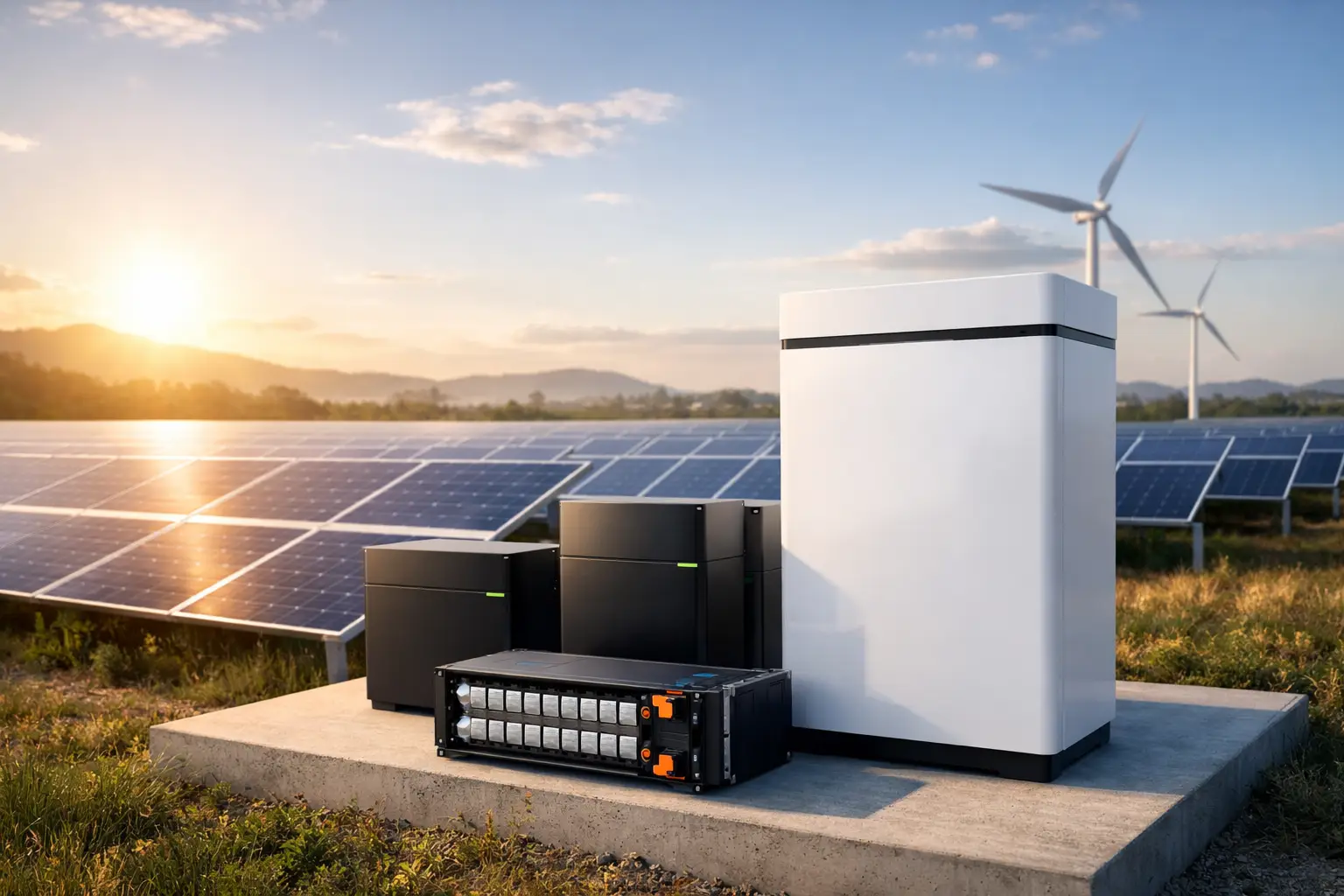
Solar Battery Trends 2026 Worth Watching
A battery is no longer just the add-on people ask about after choosing solar panels. For many Southern California property owners, solar battery trends 2026 are shaping the whole project from the start: how much solar to install, which appliances should stay on during an outage, and how to control utility costs after sunset.
That shift is practical. Electricity rates can be highest when solar production is falling, and a solar system without storage may send power to the grid when its value is lower than the cost of buying energy back later. Battery storage gives homeowners and businesses more control, but the right system is not always the biggest system. It is the one designed around your usage, your priorities, and your budget.
Solar Battery Trends 2026: Storage Becomes a Planning Tool
In 2026, more customers will view a battery as part of an energy plan rather than emergency equipment sitting on the wall. Backup power remains a major reason to install storage, especially for families who need refrigeration, internet, medical equipment, or a comfortable home during an outage. But daily bill management is becoming just as important.
California’s time-of-use rates make timing matter. A well-programmed battery can charge from excess solar production during the day and power selected loads during higher-cost evening hours. This can reduce how much electricity a property needs to purchase from the utility when rates are less favorable.
The key word is selected. Running every appliance in a large home for several days requires substantially more battery capacity and a larger budget than keeping essential circuits powered overnight. A thoughtful consultation should begin with the question, “What do you need to keep running?” not simply, “How many batteries do you want?”
For a small business, that conversation may center on point-of-sale equipment, lighting, security, refrigeration, or communications. For a household, it may include a refrigerator, Wi-Fi, outlets, garage access, and a few lights. Whole-home backup can be a great fit for some properties, but it is not the only smart option.
Smarter Controls Will Matter as Much as Battery Size
Battery hardware is improving, but software is becoming one of the biggest trends. Modern energy storage systems can monitor solar production, household consumption, battery charge, utility pricing periods, and sometimes weather conditions. The goal is simple: save stored energy for the time it delivers the most value.
In practice, this means a battery may avoid discharging too early in the afternoon so it has power available during the evening peak. It may reserve a portion of its capacity for outage protection. It can also help a business manage demand by reducing reliance on grid power when multiple high-use loads are operating.
These controls are useful, but they should not be treated as magic. Savings depend on your rate plan, actual energy use, solar production, battery capacity, and how the system is configured. A customer with heavy nighttime use may see a different result than someone who is away all day and uses little electricity after dark.
Ask your provider to explain the proposed operating strategy in plain language. You should know when the battery will charge, what it will power, how much capacity is reserved for outages, and whether you will have control over those settings.
Load Management Makes Backup More Affordable
One of the most helpful developments is better load management. Instead of trying to power everything at once, an electrical setup can prioritize essential loads and limit or delay high-demand equipment.
Air conditioning, electric dryers, pool pumps, electric ovens, and EV charging can draw significant power. They may be included in a whole-home backup design, but they also require more planning. Smart load controls can help prevent a battery from being drained quickly by equipment that does not need to run during an outage.
For many homes, this creates a more accessible path to storage. Start with critical loads today, then plan the electrical panel, solar array, and battery equipment so future expansion is possible if your needs change.
Battery Chemistry Is Settling Around Safety and Longevity
Lithium iron phosphate, often called LFP, continues to be a major battery chemistry in residential energy storage. It is valued for thermal stability, long cycle life, and suitability for daily charging and discharging. That matters in California, where a battery may be used frequently for both bill management and backup readiness.
There are still differences between products. Usable capacity, continuous power output, warranty terms, operating temperature range, and expansion options can vary significantly. A battery with more kilowatt-hours stores more energy, while a battery with higher power output can run more demanding loads at one time. Those are related but different measurements.
This is why comparing batteries by one headline number can be misleading. A system that stores plenty of energy but cannot deliver enough power for the appliances you want to run may not meet your expectations. The best design balances capacity, power, solar production, and the electrical loads in your property.
More Customers Will Plan for Expansion
Energy use changes. A family may add an electric vehicle, replace a gas appliance with an electric heat pump, build an ADU, or begin working from home more often. Businesses may add equipment, extend operating hours, or install EV charging for customers and staff.
One of the most practical solar battery trends 2026 is designing for those changes before they happen. That does not always mean buying maximum capacity now. It means choosing equipment and an electrical layout that can support a second battery, more solar panels, or upgraded loads later when it makes financial sense.
There is a trade-off. Planning for expansion can add cost upfront, while waiting can mean a future upgrade requires additional labor or equipment changes. The right choice depends on your budget and how certain your future plans are. If an EV purchase or ADU is likely within the next few years, say so during the site evaluation.
Solar, Roofing, and Electrical Work Are Being Coordinated Earlier
A battery installation can reveal other project needs. Older electrical panels may need upgrades to safely support solar, storage, and new electric loads. A roof nearing the end of its life may be better replaced before solar panels are installed. Properties with shade, limited roof space, or unusual electrical layouts need careful design from the beginning.
Coordinating these details early can save frustration later. It also helps homeowners avoid treating solar, roofing, panel work, and storage as unrelated projects. They affect one another, especially when the goal is long-term energy independence.
For customers in San Diego County, Orange County, Imperial County, Riverside County, and Tijuana, local conditions also matter. Heat exposure, roof type, permitting requirements, utility rules, and available installation space can all influence the recommended system. A site visit is more valuable than a generic online estimate because it accounts for the property you actually own.
Virtual Power Plant Programs Need a Careful Look
Some battery owners may have opportunities to enroll in programs that allow a utility or energy provider to draw from participating batteries during periods of high grid demand. These programs can offer compensation or bill credits, and they can support grid reliability.
They are not automatically right for everyone. Program rules may affect when your battery discharges, how much backup reserve you can keep, and how payments are calculated. Before enrolling, ask what happens during an outage, whether participation is optional, and whether you can change or leave the program later.
A battery should first support your household or business priorities. Any grid-services program should be understood as a possible added benefit, not a substitute for a properly designed backup plan.
How to Choose a Battery System for 2026
A good decision starts with real numbers: your recent utility bills, your rate plan, major appliances, outage concerns, and future electrical goals. From there, your provider can estimate solar production and model whether storage is likely to provide meaningful value for your property.
Be wary of one-size-fits-all promises. A battery can reduce dependence on the grid, but it does not guarantee that every appliance will run indefinitely or that every customer will see the same savings. Clear expectations build better projects.
At Accessible Solar & Energy Storage, we believe clean energy should feel understandable and within reach. Whether you are considering a first battery, adding storage to an existing solar system, or coordinating solar with roofing and electrical upgrades, ask for a design that explains the choices clearly. The best battery plan is the one that keeps your priorities powered and gives you confidence every time the sun goes down.


Leave A Comment