


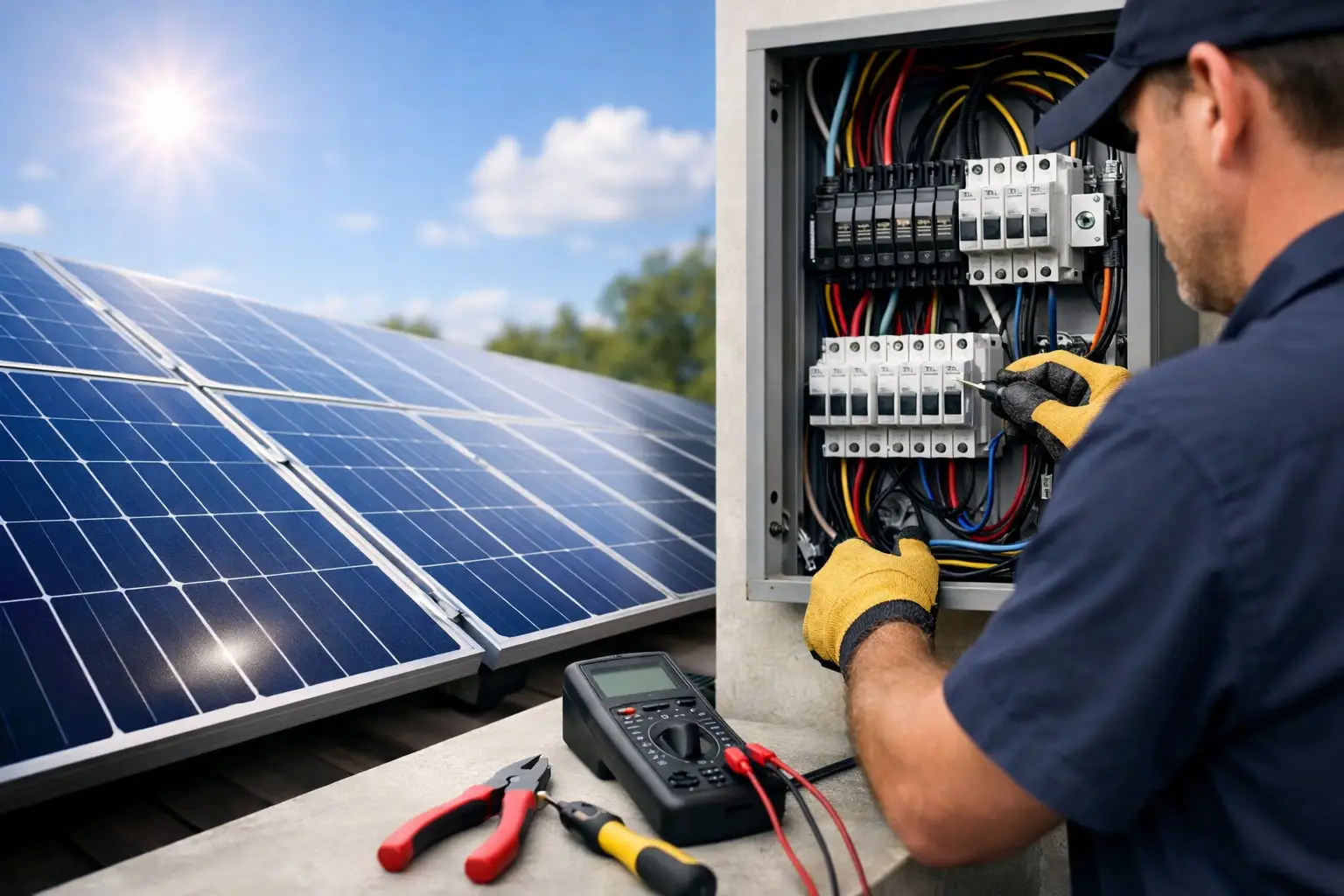
Solar and Electrical Panel Upgrade Basics
A solar and electrical panel upgrade can be the difference between a system that simply fits on your roof and one that supports the way you actually use energy. If your home has an older electrical service, you are adding a battery or EV charger, or your business is expanding equipment, the electrical panel deserves attention before solar installation begins.
For homeowners and business owners across Southern California and Tijuana, this is not just a technical detail. It affects project timing, system design, safety, and the long-term value of your clean energy investment. The good news is that panel work can often be coordinated alongside solar, storage, roofing, and other improvements, so you do not have to manage separate projects on your own.
When Does Solar Require an Electrical Panel Upgrade?
Solar panels generate power, but your electrical panel is the central distribution point that sends electricity where it is needed. It also provides the connection between your solar system, the utility grid, and, if included, a battery backup system.
Not every property needs a new panel before going solar. A newer 200-amp panel with available breaker space may be ready for a properly designed system. But an evaluation may identify limits that need to be addressed first.
A panel upgrade is commonly recommended when the existing service is undersized, the panel has no room for new breakers, or the equipment is outdated. Homes with 100-amp service are often good candidates for an upgrade, especially when solar is being paired with a battery, electric vehicle charger, heat pump, induction range, or electric dryer. Those additions can raise the property’s total electrical demand.
Age alone does not determine whether a panel must be replaced. A licensed electrical professional should assess the panel’s condition, capacity, available space, grounding, and service rating. They will also perform a load calculation based on the actual appliances and equipment in the building.
Some panels have known safety concerns or may no longer meet current requirements. Others may be structurally sound but too small for the project you want. A clear on-site evaluation helps separate a necessary upgrade from an unnecessary expense.
Signs Your Current Panel May Be Holding You Back
Frequent breaker trips, flickering lights when major appliances start, warm breakers, corrosion, or a panel that feels crowded are all reasons to schedule an inspection. The same is true if your utility meter or service equipment appears outdated.
For commercial properties, signs can include added refrigeration, HVAC equipment, machinery, tenant improvements, or plans to install multiple EV chargers. A business may have enough power for current operations but not enough capacity for solar and future growth. Three-phase service, demand charges, and operating hours can also shape the right system design.
What a Solar and Electrical Panel Upgrade Includes
The scope depends on the property, local utility requirements, and the solar system being installed. In some cases, the work is straightforward: adding a solar breaker and making a code-compliant connection. In others, it may involve replacing the main panel, upgrading the service size, relocating equipment, or coordinating a meter change with the utility.
A complete solar and electrical panel upgrade may include a new main service panel, updated breakers, grounding and bonding improvements, conduit work, a new meter socket, and permit inspections. If you add battery storage, the project may also include critical-load equipment that keeps selected circuits running during an outage.
That last point matters. A battery does not automatically back up every circuit in every home. Many homeowners choose to protect priority loads such as refrigeration, lighting, internet, medical equipment, garage access, and selected outlets. Whole-home backup is possible for some properties, but it requires careful planning around electrical demand and battery capacity.
The right approach depends on your goals. If lowering utility bills is the main priority, a solar-only system may be a good fit. If resilience during outages matters most, battery storage and a properly planned backup panel may offer more value. If you expect to add an EV or replace gas appliances in the next few years, planning for those loads now can help prevent doing electrical work twice.
Why It Makes Sense to Plan the Panel and Solar Together
Treating solar as a separate purchase can create avoidable delays. A roof may be ready, and the solar design may look great, but a limited panel can slow permitting or require a redesign later. Planning the electrical side early gives the project team a more accurate view of the work, budget, and timeline.
Bundling the work also makes decisions easier. For example, if roofing needs replacement soon, it is often smarter to address the roof before mounting solar panels. If an electrical panel needs to move for safety or access, that can be coordinated with solar conduit routing and battery placement. One coordinated plan is usually less stressful than calling multiple contractors after the fact.
At Accessible Solar & Energy Storage, the goal is to make these decisions practical and understandable. A consultation should start with how you use electricity now, what you want to change, and what budget and financing options make sense for your property. The right system is not always the largest one. It is the one designed around your goals and your electrical foundation.
Cost Factors to Understand Before You Decide
Panel upgrade costs vary widely because every property has different service equipment, access conditions, permit requirements, and utility coordination needs. Replacing a panel with modern equipment is generally less involved than upgrading an entire electrical service from 100 amps to 200 amps. A service upgrade may require additional wiring, meter work, trenching, or utility-side changes.
Battery storage, backup circuits, EV charging, and roof repairs can also affect the project budget. That is why a detailed evaluation matters more than a quick estimate based only on your electric bill.
Financing can make a bundled project more manageable, but it is still worth reviewing the full picture. Ask about the total project scope, expected payment, equipment warranties, permit responsibilities, utility interconnection, and what happens if the electrical assessment finds additional work. Clear answers help you compare options fairly and avoid surprises.
Solar incentives and tax benefits can change based on location, project type, and current rules. A qualified tax professional can help you understand how available incentives may apply to your individual situation. Your solar provider can explain the project costs and documentation, but tax advice should come from the right professional.
A Better Way to Prepare for Your Evaluation
Before a site visit, gather a recent electric bill and think about upcoming changes to your property. Mention any plans for an EV, air conditioning replacement, electric appliances, a home addition, new business equipment, or a battery backup system. These details help the team design for your future, not just your current usage.
It also helps to make the electrical panel accessible and identify any past electrical issues. If you have photos of the panel, meter, roof, and any planned equipment locations, keep them available. An on-site review is still essential, but preparation can make the conversation more productive.
During the evaluation, ask whether your existing panel has enough capacity, whether solar can be interconnected without a main service upgrade, and what backup options fit your needs. Ask who will coordinate permits, inspections, and utility paperwork. You deserve a clear plan before construction starts.
Build for the Energy Future You Want
A panel upgrade is not the most visible part of a solar project, but it may be one of the most valuable. It creates room for cleaner transportation, efficient appliances, battery backup, and a solar system designed to serve you for years.
If your property is ready for solar but your electrical system needs attention, do not let that feel like a roadblock. It is an opportunity to build a safer, more flexible energy setup with a plan that matches your budget and goals. Start with a thoughtful evaluation, ask direct questions, and choose a project partner who can help you see the full path forward.


One Comment