


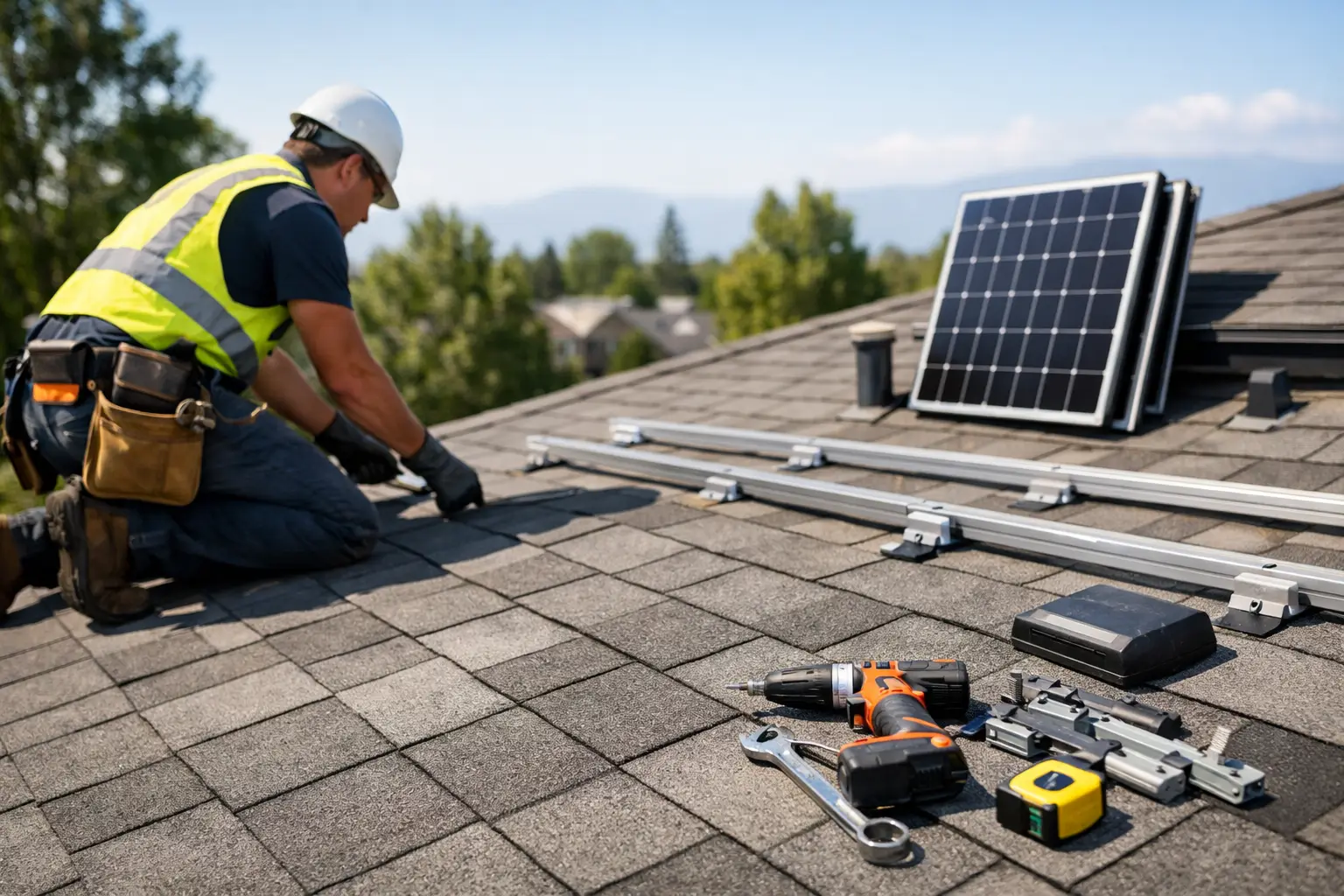
How to Prepare Roof for Solar Installation
A solar quote can look great on paper, but your roof is what decides whether the project stays affordable and stress-free. If you want to prepare roof for solar installation the right way, the goal is simple: make sure the surface under your panels is ready to support them for years, not just pass inspection on install day.
For homeowners and business owners across Southern California, that usually means looking beyond the panels themselves. Roof age, material, structural condition, drainage, and electrical readiness all affect the final timeline and cost. The good news is that most issues can be handled early, before they turn into delays.
Why it matters to prepare roof for solar installation
Solar panels are built to last a long time. That is great for energy savings, but it also means your roof needs to be in good shape before anything is mounted. If your roof only has a few years of life left, installing solar now can create a bigger expense later when panels need to be removed and reinstalled for reroofing.
This is one of the biggest areas where planning pays off. A customer may be ready for solar financing, know their energy goals, and still run into trouble because the roof was not evaluated early enough. Preparing the roof first helps protect your investment, avoid duplicate labor, and keep the project moving.
There is also a practical side. Crews need a safe, stable work area. Permitting departments and utilities often require certain conditions to be met. If your home needs roof work, electrical panel upgrades, or gutter adjustments, bundling those services into one plan is usually easier than trying to coordinate everything separately.
Start with the age and condition of the roof
Before talking about panel layout or battery storage, look at the roof itself. A newer roof is usually a strong candidate for solar. An older roof may still work, but it needs a closer review.
As a rule of thumb, if your roof is nearing the end of its useful life, replacing or repairing it before solar often makes more financial sense. Asphalt shingle roofs are common in this region, and their remaining life matters a lot. Tile roofs can also support solar, but cracked tiles or underlayment issues may need attention first. Flat commercial roofs bring their own questions about drainage, ponding water, and membrane condition.
Visible warning signs should not be ignored. Missing shingles, soft spots, leaks, sagging areas, repeated patch jobs, or signs of water intrusion in the attic can all point to underlying problems. Solar should not be used to cover up a roofing issue. It should go on top of a roof that is ready for the long haul.
Get a professional roof inspection before final design
A basic visual check is helpful, but it is not enough for a major energy upgrade. A professional inspection gives you a clearer picture of what your roof can handle and what needs to happen first.
This step is especially important if you recently bought the property, have no records of past roof work, or suspect storm or sun damage. In Southern California, roofs take a beating from years of heat and UV exposure. A roof can look acceptable from the ground and still need repairs once someone gets up there.
A proper inspection typically looks at surface materials, underlayment, flashing, penetrations, decking condition, and overall structural soundness. For commercial properties, it may also include load considerations and details about rooftop equipment placement. The point is not to make the project harder. It is to remove surprises before permits, financing, and installation dates are already in motion.
Repairs first, panels second
If the inspection turns up issues, fix them before solar goes in. That sounds obvious, but many property owners try to squeeze in the panel installation first to start saving right away. In most cases, that shortcut costs more later.
Even a small roof leak can become a bigger headache once racking and panels are installed above it. Future service calls can take more time, and if reroofing is needed soon after installation, panel removal and reinstallation add labor costs that could have been avoided.
Not every roof needs a full replacement. Sometimes the right move is targeted repair work, replacing damaged sections, improving flashing, or addressing problem areas around vents and valleys. Other times, especially with older roofs, a full reroof before solar is the smarter long-term decision. It depends on the age of the roof, the extent of wear, and how long you plan to keep the property.
Think about structure, not just surface
To prepare roof for solar installation properly, the structure underneath matters as much as the roofing material on top. Solar panels add weight, and while most roofs can support a standard residential system, that should be verified rather than assumed.
An installer or engineer may evaluate rafters, trusses, spacing, and general framing condition. If there has been previous damage, unpermitted work, or noticeable sagging, that review becomes even more important. For commercial buildings, structural analysis may be more detailed depending on the roof type and mounting method.
This is also where local code requirements come into play. Wind exposure, fire setbacks, and access paths for firefighters can all affect how the system is designed. A good plan balances energy production with safety and compliance.
Clear the roof and improve access
Solar panels do best on clean, usable roof space. If the roof has debris buildup, overhanging branches, abandoned equipment, or cluttered penetrations, those issues should be handled before installation.
Tree trimming is one of the most overlooked parts of solar prep. Shade can reduce system performance, but branches can also create physical access problems for the crew and increase debris on the panels over time. If your roof has satellite dishes, old mounts, or unused hardware, removing them can open better placement options and reduce the number of obstacles your installer has to work around.
Access matters too. Installers need room to stage materials and move safely around the property. For some homes, that may mean clearing side yards or driveway space before installation day. For commercial sites, it could involve coordinating rooftop access, parking, and business operations so work does not disrupt daily activity more than necessary.
Check drainage, gutters, and roof penetrations
A solar-ready roof should handle water well before any panels are added. If gutters are pulling away, drains are clogged, or water tends to pool in certain areas, those conditions should be corrected early.
On sloped roofs, damaged flashing and weak drainage paths can increase the risk of leaks over time. On flat roofs, ponding water is a bigger concern because it may signal slope issues or drainage design problems. Solar racking needs to work with the roof, not against it.
Penetrations deserve special attention. Vents, skylights, chimneys, and HVAC components can limit panel layout and create flashing details that need careful planning. None of this means the roof is a bad fit for solar. It just means the design should account for real-world roof conditions instead of assuming a clean rectangle.
Do not forget the electrical side
Roof preparation and electrical preparation often go hand in hand. A strong roof is only part of the equation if your main service panel is outdated, undersized, or not up to code.
Many solar projects move faster when the electrical panel is reviewed early. If an upgrade is needed, it is better to know before permits are submitted and installation dates are promised. The same goes for battery storage, EV charging, or other home energy improvements you may want now or later.
This is where working with a provider that can coordinate roofing, solar, and electrical work makes a real difference. Instead of managing separate contractors and timelines, you get one plan built around your property and budget. For customers who care about affordability, that kind of coordination can prevent change orders and reduce downtime.
Budget for the full project, not just the panels
One of the smartest ways to prepare is financially. Property owners often budget for the solar system but not for roof repairs, panel upgrades, or related improvements that may come up during inspection.
That does not mean every project becomes expensive. It means you should go in with a realistic picture. Sometimes the roof is fully ready, and solar can move quickly. Other times, the best long-term choice is bundling the roof work with the installation so everything is done once and done right.
If financing is part of your plan, ask early how roofing, electrical, gutters, or storage can be included. A monthly payment that covers the whole upgrade may be easier to manage than handling separate projects at different times.
The best time to prepare is before you feel rushed
Most solar delays do not happen because people want solar too soon. They happen because the roof, electrical system, or property details were reviewed too late. A little preparation upfront gives you more options, better scheduling, and fewer expensive surprises.
If you are considering solar, start with an honest look at the roof you already have. A good installer should help you understand what is ready now, what needs attention first, and what path makes the most sense for your home or business. At Accessible Solar & Energy Storage, that practical, one-stop approach is how clean energy becomes easier to afford and easier to trust.
A solar system should bring peace of mind every time the sun comes up. Making sure your roof is ready is one of the best ways to start on solid ground.


One Comment