


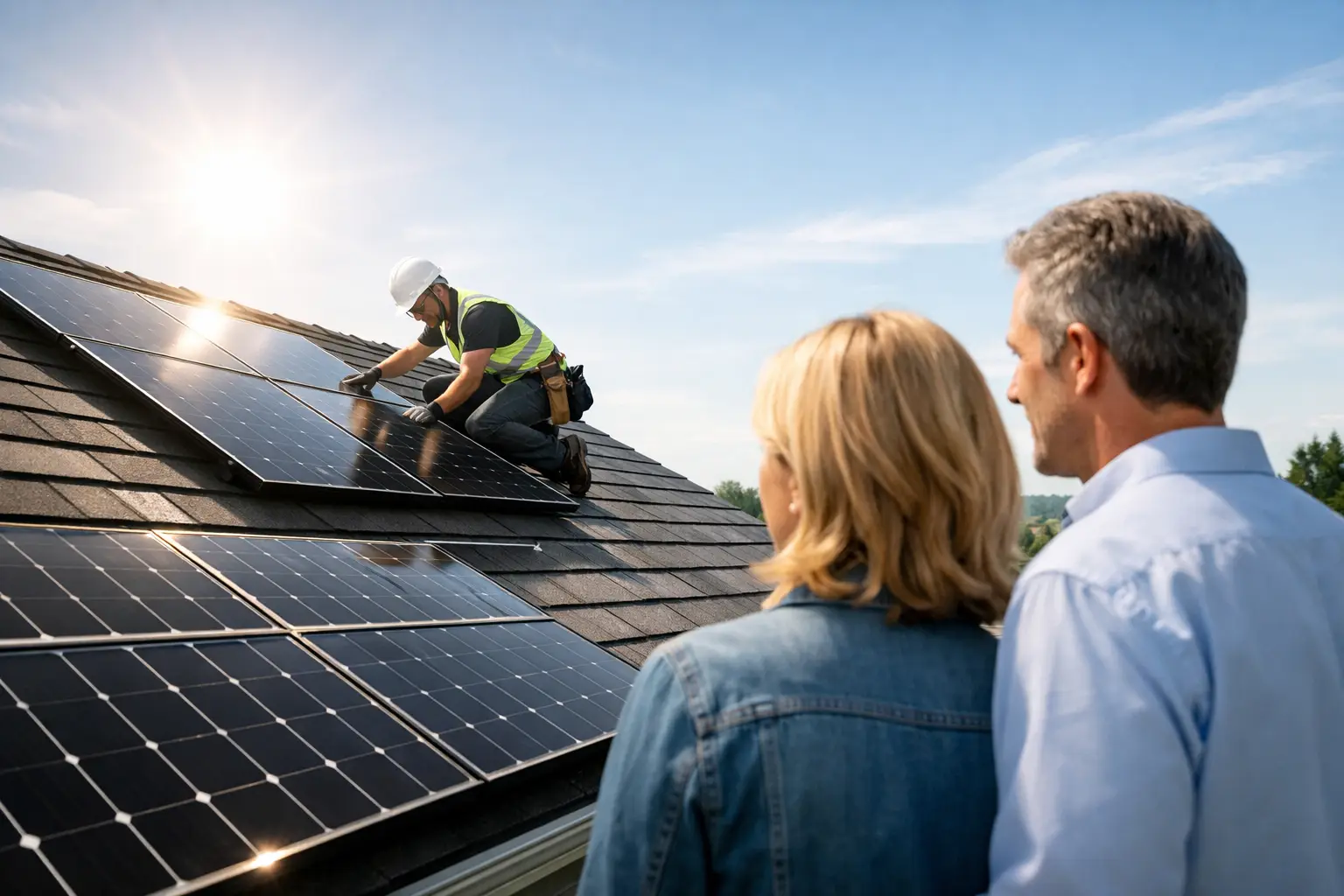
How to Switch to Solar Roofing With Confidence
A roof replacement is a major expense. So is a solar project. Planning them together can protect your property, reduce repeat labor, and give you more control over rising electricity costs. If you are wondering how to switch to solar roofing, the best first step is not choosing a panel. It is understanding your roof, energy use, budget, and long-term goals as one connected project.
For homeowners and business owners across Southern California, solar roofing can be a practical way to invest in energy independence without trying to piece together several contractors on your own. The right plan should make the process clearer, not more complicated.
Start by defining what solar roofing means for your property
Solar roofing can mean two different things. Most often, it means installing conventional solar panels on a roof that is in good condition. It can also refer to solar shingles or solar tiles that serve as part of the roof surface itself.
For many properties, traditional panels are the more straightforward and cost-conscious option. They are widely available, efficient, and can be installed over many roof types. Solar shingles may appeal to owners who want a more integrated appearance or are already replacing the entire roof, but they can cost more and may offer fewer design options depending on the property.
There is no one right choice for every home or business. A good evaluation looks at your roof’s age, shape, shading, available space, electrical needs, and the look you want. If your roof has only a few years of useful life left, installing panels first may create unnecessary expense later when they need to be removed and reinstalled for roof work.
Check the roof before you design the solar system
Your roof is the foundation of the project. Before committing to solar, have its condition reviewed by a qualified professional. A newer roof with sound decking and no active leaks may be ready for panels. An older roof with curling shingles, damaged tiles, soft spots, or recurring leaks may need repair or replacement first.
This is where bundled project coordination can make a real difference. Instead of treating roofing and solar as separate decisions, you can plan the work in the correct order. If roofing, gutters, electrical upgrades, and solar all need attention, coordinating them together helps avoid duplicated effort and surprise costs.
Roof orientation and shade matter, but they are not automatic deal-breakers. South-facing roof space is often ideal, yet east- and west-facing arrays can also produce strong results, especially when they better match afternoon household energy use. Trees, chimneys, vents, and neighboring structures may affect panel placement. A site evaluation should account for these details rather than relying on a quick online estimate.
Review your electricity use and future plans
Solar is sized around the energy you use, not simply the size of your roof. Gather at least 12 months of electricity bills so your consultant can see seasonal patterns, total consumption, and peak usage periods.
Then think ahead. Are you adding an electric vehicle, replacing a gas appliance with an electric heat pump, building an ADU, expanding a business, or welcoming more people into the home? Those changes can increase future demand. Designing only around last year’s bills may leave you with a system that feels too small sooner than expected.
Your utility rate plan also matters. In California, the value of solar energy can vary by time of day. This makes the timing of your usage especially important. A household that uses most of its power after sunset may benefit more from battery storage than one that consumes most of its energy during daylight hours.
Decide whether battery storage belongs in the plan
Solar panels produce electricity when the sun is out. A battery stores energy for later use, including evening hours and, when properly designed, certain outage situations. It is not required for every solar system, but it can be valuable for customers who want more backup capability and less dependence on the grid.
Battery storage is worth discussing if you have frequent outages, rely on medical equipment, work from home, want to charge an electric vehicle overnight, or want greater control over when you use solar power. It can also help you use more of the energy your panels produce instead of sending it back to the grid.
The trade-off is upfront cost. Batteries add to the project price, and backup power has limits based on battery capacity and which circuits are included. Many customers choose to back up essentials such as refrigeration, lighting, Wi-Fi, garage access, and selected outlets rather than every appliance in the building. A clear proposal should show what the battery can realistically support.
Build a budget around total project value
When learning how to switch to solar roofing, it is easy to focus only on the equipment price. The more useful question is what the full project includes. A complete plan may involve roof work, panel installation, electrical panel upgrades, permits, utility interconnection, battery storage, and financing.
Ask for a proposal that explains these items in plain language. You should know the estimated system size, expected annual production, equipment being installed, warranty coverage, project timeline, and any work that could add cost after the site inspection.
Financing can make solar roofing more accessible for property owners who do not want to pay the full cost upfront. Depending on your goals, financing may allow you to preserve cash for other priorities while beginning the transition to cleaner energy. The right option depends on your budget, credit profile, ownership plans, and how long you expect to stay in the property.
Do not make a decision based only on the lowest monthly payment. Compare the total repayment amount, term length, interest rate, fees, and whether the proposal includes roofing or electrical work. A lower payment can sometimes mean a much longer obligation.
Understand permits, approvals, and installation timing
A solar roofing project requires coordination behind the scenes. Depending on your location and project scope, that may include building permits, electrical permits, roof permits, inspections, and utility approval to connect the system to the grid.
For homes and businesses in San Diego, Orange, Imperial, and Riverside counties, requirements can vary by city, utility, and building type. Projects in Tijuana follow different local rules and utility processes. That is why local experience matters. Your installer or project coordinator should explain which approvals apply and keep you informed as the work moves forward.
Installation itself may take only a few days once materials, permits, and scheduling are in place. The total timeline is often longer because approvals and utility processes take time. A trustworthy provider will set expectations honestly instead of promising an unrealistically fast activation date.
Choose a partner who can explain the whole project
Solar roofing is not just an equipment purchase. You are making a decision about your roof, electrical system, monthly budget, and comfort during outages. Choose a provider that listens before recommending a system and is willing to explain the trade-offs without pressure.
Ask who will coordinate the roof work, solar installation, electrical upgrades, permits, inspections, and utility paperwork. Ask what happens if the site evaluation reveals a roof issue or electrical condition that was not visible at first. You deserve clear answers before work begins.
Accessible Solar & Energy Storage helps customers bring these moving parts together, with bilingual support and guidance designed to make clean energy feel practical for more households and businesses. Se habla Español.
Make the switch with a plan that fits your life
The best solar roofing project is not necessarily the largest system or the one with the most features. It is the one that fits your property’s condition, your actual energy needs, and the financial comfort level of your household or business.
Start with a site evaluation and a conversation about your goals. Whether you need a new roof, want to add battery backup, or simply want a clearer path toward lower utility dependence, a well-planned project can turn sunshine into a more dependable part of your everyday life.


Leave A Comment