


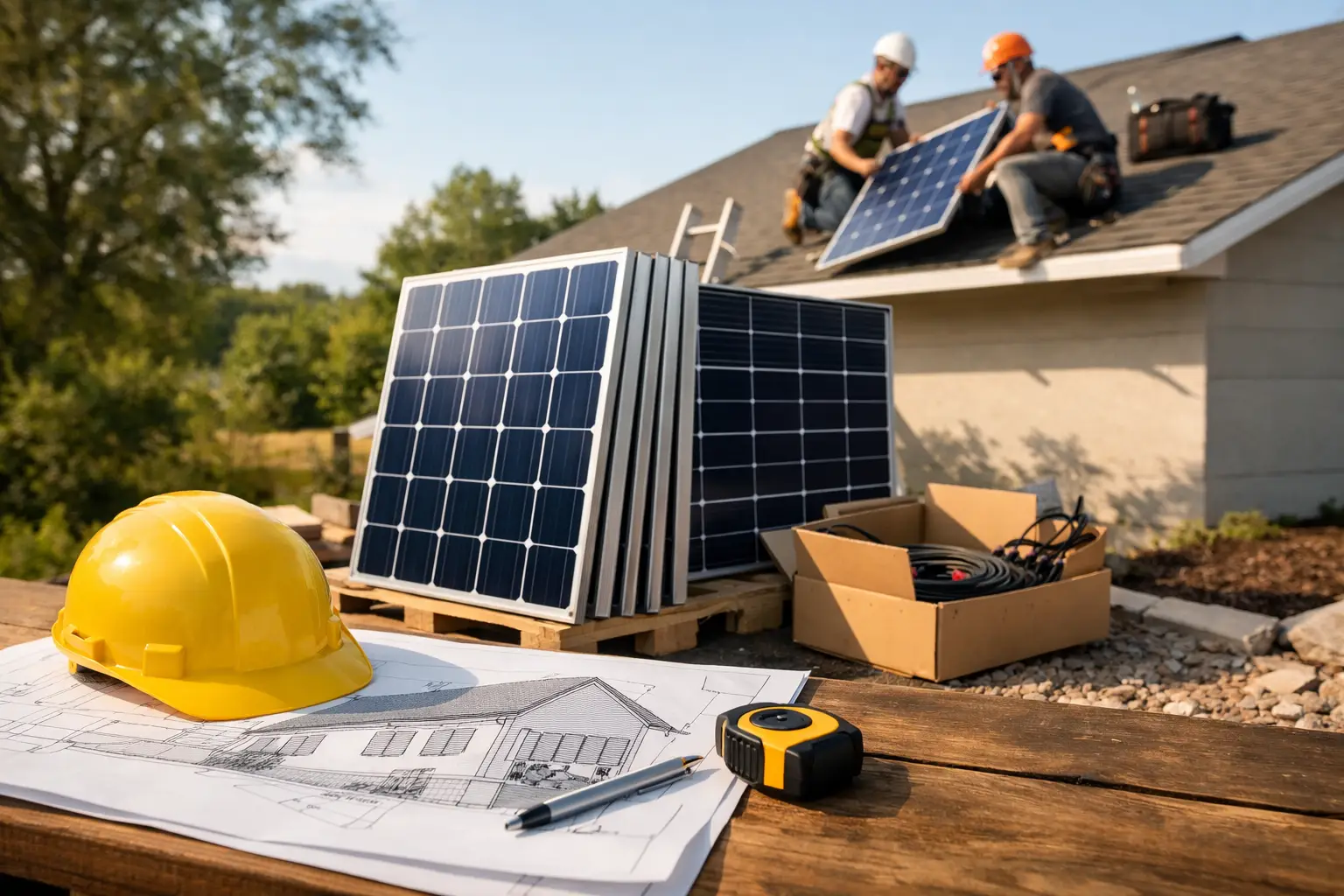
How to Prepare for Solar Installation
The week before solar goes in is usually when the real questions show up. Is the roof ready? Will the electrical panel need work? Do you need to move cars, trim trees, or clear attic access? If you are wondering how to prepare for solar installation, the good news is that most of it comes down to planning ahead so installation day feels organized instead of stressful.
For homeowners and business owners across Southern California, preparation matters because solar is rarely just about the panels. A project can involve roofing, electrical upgrades, battery storage, permitting, and utility coordination. When those pieces are handled early, the installation itself tends to move faster and with fewer surprises.
How to prepare for solar installation before work begins
The first step is to make sure your property is actually ready for the system you want. That starts with the roof. If your roof is near the end of its life, installing solar before replacing it can cost you more later because the panels may need to be removed and reinstalled for roof work. A newer roof usually makes the process simpler, but an older roof does not always mean the project stops. It may just mean solar and roofing should be planned together.
The electrical panel is another big piece. Many properties, especially older homes, need a panel upgrade before solar can be installed safely and up to code. That is not a problem if you know it early. It becomes frustrating only when it surfaces late in the process and changes the timeline. A good site evaluation should flag this before installation day is scheduled.
Shade also deserves an honest look. Trees, neighboring buildings, roof features, and even future growth can affect production. Some shade can be designed around. In other cases, tree trimming or a different panel layout may make more sense than forcing a system onto the wrong roof section.
Review your roof, panel, and energy goals
Preparation is not only about the property. It is also about making sure the system matches your goals. Some customers want the lowest possible monthly bill. Others care more about backup power during outages, long-term savings, or pairing solar with a battery. A business owner may be thinking about daytime usage patterns, while a homeowner may be thinking about evening air conditioning and rising utility rates.
That is why your recent utility bills matter. They help size the system around actual usage instead of guesswork. If your usage is likely to change soon, say you are adding an EV charger, replacing an HVAC system, expanding your business, or planning for family members to move in, that should be part of the conversation before final design. Solar should be built around where your energy needs are going, not just where they were last summer.
There is also a trade-off to think through with batteries. Adding storage increases project cost, but it can offer backup power and more control over when you use your energy. For some households, especially in outage-prone areas, that extra resilience is worth it. For others, a solar-only system is the better financial first step.
Get the paperwork and approvals organized
One of the easiest ways to reduce stress is to gather the documents your installer, lender, or utility may request. That often includes recent electric bills, proof of property ownership, and signed project documents. If financing is involved, be ready to provide whatever the lender needs quickly. Delays in paperwork can push back permitting and installation, even when everything else is ready.
Permits and utility approvals usually happen behind the scenes, but they still affect your timeline. Local jurisdictions can move at different speeds. Utility interconnection reviews can also vary. This is one reason customers should avoid locking themselves into an exact install date too early. A realistic range is more helpful than a promise that ignores the approval process.
If your project includes roofing, battery storage, a panel upgrade, or other related work, ask how the sequence will be managed. Bundled projects can be very convenient, but they need clear coordination. The upside is that when one team helps oversee the full scope, you spend less time juggling multiple contractors and trying to figure out who is responsible for what.
Prepare your home or business for installation day
When install day arrives, crews need safe and efficient access. That means clearing the driveway if trucks need to park close, unlocking gates, and moving anything fragile or valuable out of the immediate work area. If the crew will need attic access or access to the garage, those areas should be clean enough for technicians to move around safely.
Inside the property, expect some brief power interruptions, especially if electrical work is part of the job. It is smart to charge phones, laptops, battery backups, and any medical or business devices that need power. If you work from home or rely on internet service for business operations, plan around the possibility of downtime. Most interruptions are temporary, but knowing they may happen helps avoid frustration.
Pets and children also need special consideration. Install crews move equipment, use ladders, and work around electrical components. Keeping pets indoors and away from entry points makes the day safer for everyone. For families with small children, it may be easier to plan errands or activities during the noisiest part of the installation.
Noise is normal. Roof work, drilling, and electrical setup are not quiet tasks. That does not mean something is wrong. It just means work is getting done. If you or someone at the property is sensitive to noise, it helps to plan ahead.
Ask the right questions before the install
If you want to know how to prepare for solar installation without missing anything, ask for a clear pre-install checklist. A trustworthy provider should be able to walk you through what happens before, during, and after the install in simple terms.
A few questions are especially useful. Ask whether the roof needs repair before installation. Ask whether the electrical panel is sufficient or likely to need an upgrade. Ask who is handling permits and inspections, and ask what you should expect on the day the crew arrives. If you are getting a battery, ask which circuits will be backed up and how long that backup may realistically last under normal use.
You should also ask about the timeline after installation. Many customers assume the system turns on the same day the panels go up, but that is not always the case. Final inspections and utility permission to operate often happen afterward. Knowing that in advance prevents confusion.
Plan for the full project, not just the panels
The smoothest solar projects usually happen when customers think beyond the equipment and look at the whole property. If your roof, gutters, panel, or battery plans are likely to change soon, it often makes sense to address those items together instead of in separate phases that create repeat labor and extra cost.
That is especially true for budget-conscious property owners. Combining related improvements can sometimes create a more practical path than treating each one as a standalone project. It also gives you a clearer picture of the full investment from the beginning.
For many families, accessibility matters just as much as technology. A project that looks good on paper still has to fit the budget, the timeline, and the real needs of the household or business. That is why a service-first approach matters. Companies like Accessible Solar & Energy Storage focus on helping customers understand the options, including financing, before the project starts moving.
What to expect emotionally and practically
Even a well-planned solar project can feel like a lot if this is your first time. That is normal. There are moving parts, and some stages involve waiting on approvals that are outside your control. The key is not expecting perfection. The key is working with a team that communicates clearly, explains trade-offs honestly, and keeps the process moving.
Preparation does not mean you need to become a solar expert overnight. It means asking good questions, being realistic about your property, and making sure the basics are handled before the crew arrives. Once that foundation is in place, installation day is usually far less complicated than people expect.
A little preparation goes a long way. When your roof, electrical setup, paperwork, and access are ready, solar feels less like a construction project and more like what it should be – a smart upgrade for a brighter, more affordable future.


Leave A Comment