


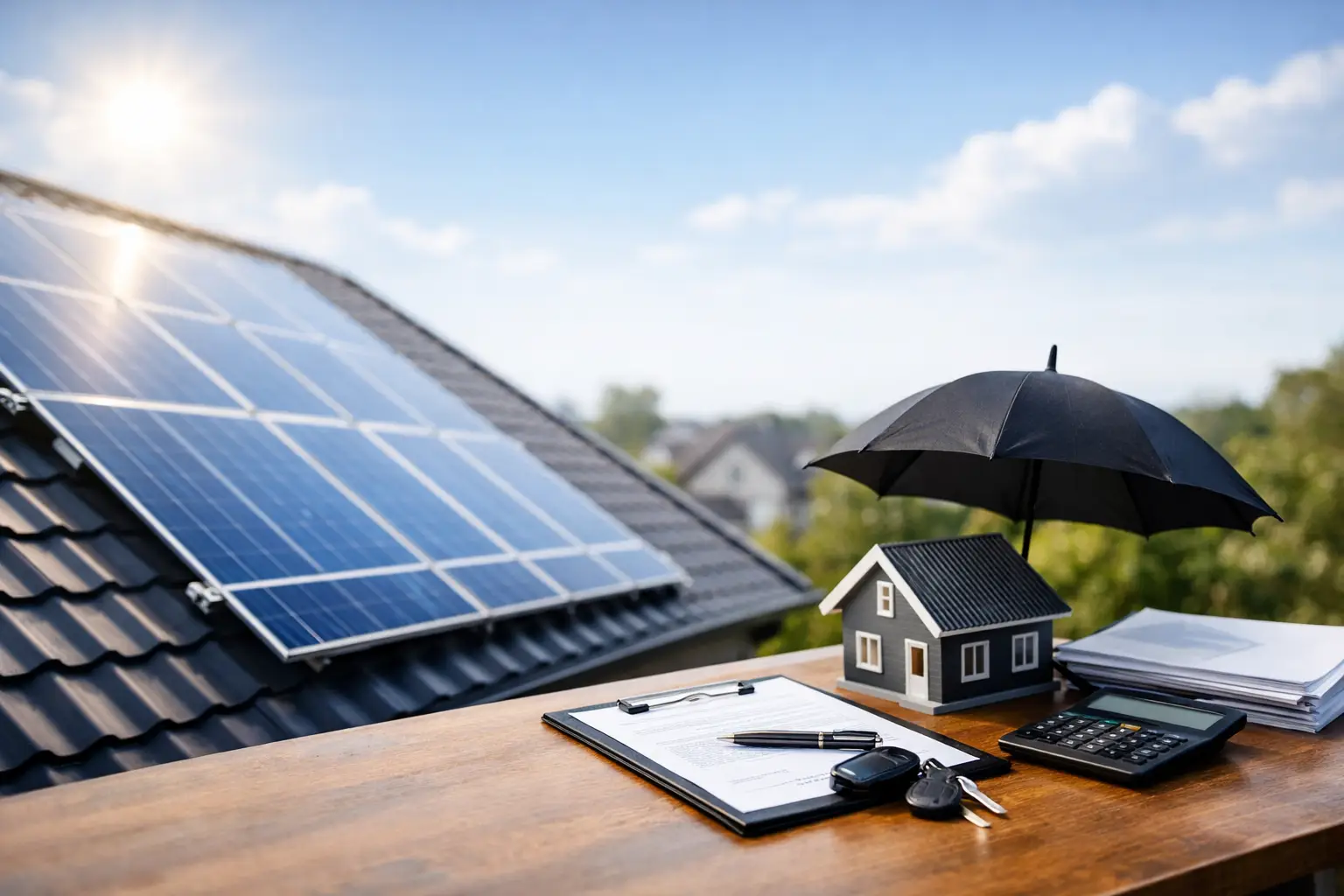
Are Solar Panels Covered by Insurance? What to Know
A new solar system can be one of the most valuable upgrades on your property, so it is reasonable to ask: are solar panels covered by insurance? In many cases, yes. A homeowners or commercial property policy may cover rooftop solar panels when they are damaged by a covered event. But the details matter, especially when it comes to roof condition, batteries, policy limits, and California-specific risks.
Solar should make your property more resilient and more affordable to operate. A quick insurance review before installation helps protect that investment and prevents surprises when you need coverage most.
Are Solar Panels Covered by Insurance on a Home?
Most permanently installed rooftop solar panels are treated as part of the home or as an attached structure. That means they are often covered under the dwelling portion of a standard homeowners insurance policy, much like a roof, built-in electrical system, or other permanent improvement.
If a covered peril damages the system, your insurer may help pay to repair or replace it, subject to your deductible and policy limits. Covered events can include fire, lightning, windstorms, falling objects, vandalism, or certain types of storm damage. For Southern California property owners, wildfire coverage is often one of the most important questions to discuss with an agent.
Coverage is not automatic simply because panels are on the roof. Every policy has its own language, exclusions, deductibles, and coverage limits. A system that raises the replacement value of your home may require you to increase your dwelling coverage. If you do not update the policy, the amount available after a major loss may not fully reflect the cost of rebuilding the home and replacing the solar equipment.
Ground-mounted systems can be handled differently. Some policies cover them under “other structures” coverage, which may have a lower limit than the main dwelling coverage. Carport solar, patio structures, detached garages, and solar pergolas can also fall into a different category. Ask your insurer how it classifies the specific system you plan to install.
What Insurance Usually Does and Does Not Cover
Insurance is designed for sudden, accidental losses. It is not a maintenance plan or a substitute for manufacturer warranties. Understanding that difference makes it much easier to know what to expect.
A policy may cover physical damage caused by a covered event, such as a tree branch falling onto the array or a fire damaging the roof and panels. If the panels are stolen, coverage may apply, although theft claims depend on the facts and the terms of the policy. Damage from vandalism may also be covered.
On the other hand, homeowners insurance generally does not pay for normal wear, gradual deterioration, corrosion, pest damage, or poor maintenance. It may not cover production losses caused by dirty panels, shading from a growing tree, or a system that produces less energy over time. Those are performance and maintenance concerns, not sudden property losses.
Earthquake and flood damage are common areas of confusion. Standard California homeowners policies typically exclude earthquake damage, and flood damage is usually excluded as well. Separate earthquake or flood coverage may be needed, depending on the property and the risk you want to insure.
Workmanship issues are another separate category. If an installation defect causes a problem, the installer’s workmanship coverage and the manufacturer’s product warranties may be more relevant than your homeowners policy. This is one reason to work with a qualified solar partner that coordinates the project carefully from the roof evaluation through final installation.
Batteries, Inverters, and Electrical Upgrades Need Attention Too
Solar panels are only one part of a modern energy system. If you add battery storage, a new electrical panel, a backup gateway, or EV charging equipment, tell your insurance company about those upgrades as well.
A permanently installed battery is often covered as part of the home, but insurers may have requirements related to the battery model, installation location, permits, and fire safety standards. The same applies to electrical upgrades. A properly designed, permitted system can make the conversation with an insurer much more straightforward.
Do not assume your policy will cover lost power savings if an inverter or battery is temporarily out of service. Some commercial policies may offer business interruption coverage, but that is not the same as reimbursement for every kilowatt-hour a solar system would have produced. Business owners should ask specifically whether their policy covers lost income, extra expenses, or equipment damage following a covered loss.
Will Adding Solar Raise Your Insurance Premium?
It depends. Some insurers make no meaningful premium adjustment for a typical rooftop system, while others may raise the premium because the property’s replacement cost has increased. The difference is often modest compared with the cost of the overall policy, but there is no universal answer.
The better question is whether your coverage limit remains adequate after the upgrade. If solar adds significant value to the home or business, increasing the property coverage may be a smart move even if it changes the premium. A larger deductible can also affect the practical value of coverage. For example, a minor panel repair may cost less than the deductible, while major fire or wind damage could create a much larger claim.
If you lease a system or sign a power purchase agreement, the system owner may carry insurance on the equipment. You should still notify your insurer. Your roof, electrical equipment, and liability exposure remain connected to the installation, and your agreement may spell out responsibilities after damage occurs.
Questions to Ask Your Insurance Agent Before Installation
A five-minute call before signing off on a solar project can save a lot of stress later. Explain that you are installing a permanently mounted solar system and share the expected project cost, system location, and whether battery storage is included.
Ask whether the panels will be covered under dwelling coverage, other structures coverage, or a special endorsement. Confirm whether you need to raise your coverage limit and whether replacement cost coverage applies to solar equipment. You should also ask about deductibles for wind, wildfire, or other weather-related damage, since these can differ from the standard deductible.
For commercial properties, ask whether rooftop solar affects property coverage, liability coverage, business interruption protection, or any lender requirements. If your business relies on refrigeration, communications, production equipment, or tenant operations, battery backup can be part of a broader resilience plan. Make sure your insurance conversation reflects the full project, not just the panels.
Keep copies of your signed contract, permits, inspection records, equipment specifications, warranties, photos, and final paid invoice. These documents can make it easier to update your policy and support a claim if a covered event occurs.
Protect the Roof Before You Put Solar on It
Insurance coverage and roof readiness go together. Panels are built to last for decades, so installing them on a roof that may need replacement soon can create avoidable cost later. Removing and reinstalling panels for a reroof is not always covered by insurance unless the roof damage itself resulted from a covered loss.
A thorough site evaluation should look at the age and condition of the roof, the electrical panel, shading, drainage, and your future energy needs. If roofing or electrical work is needed, handling it as part of a coordinated project can reduce scheduling problems and help you start with a stronger foundation.
That approach is especially helpful for homeowners who want solar and storage but need to keep the project within a realistic budget. Clear financing options, honest site recommendations, and upfront planning can make clean energy more accessible without cutting corners.
A Simple Step That Protects Your Investment
Before your installation begins, call your insurer, describe the full system, and ask for the answer in writing if possible. Then review the policy again once the work is complete and the final system value is known. This small step gives you a clearer picture of what is protected, what may need additional coverage, and where warranties fill the gaps.
At Accessible Solar & Energy Storage, we believe energy independence should feel practical, not complicated. Whether you are considering panels, a battery, roofing work, or a complete upgrade, a well-planned project helps protect both your property and your long-term savings.


Leave A Comment