


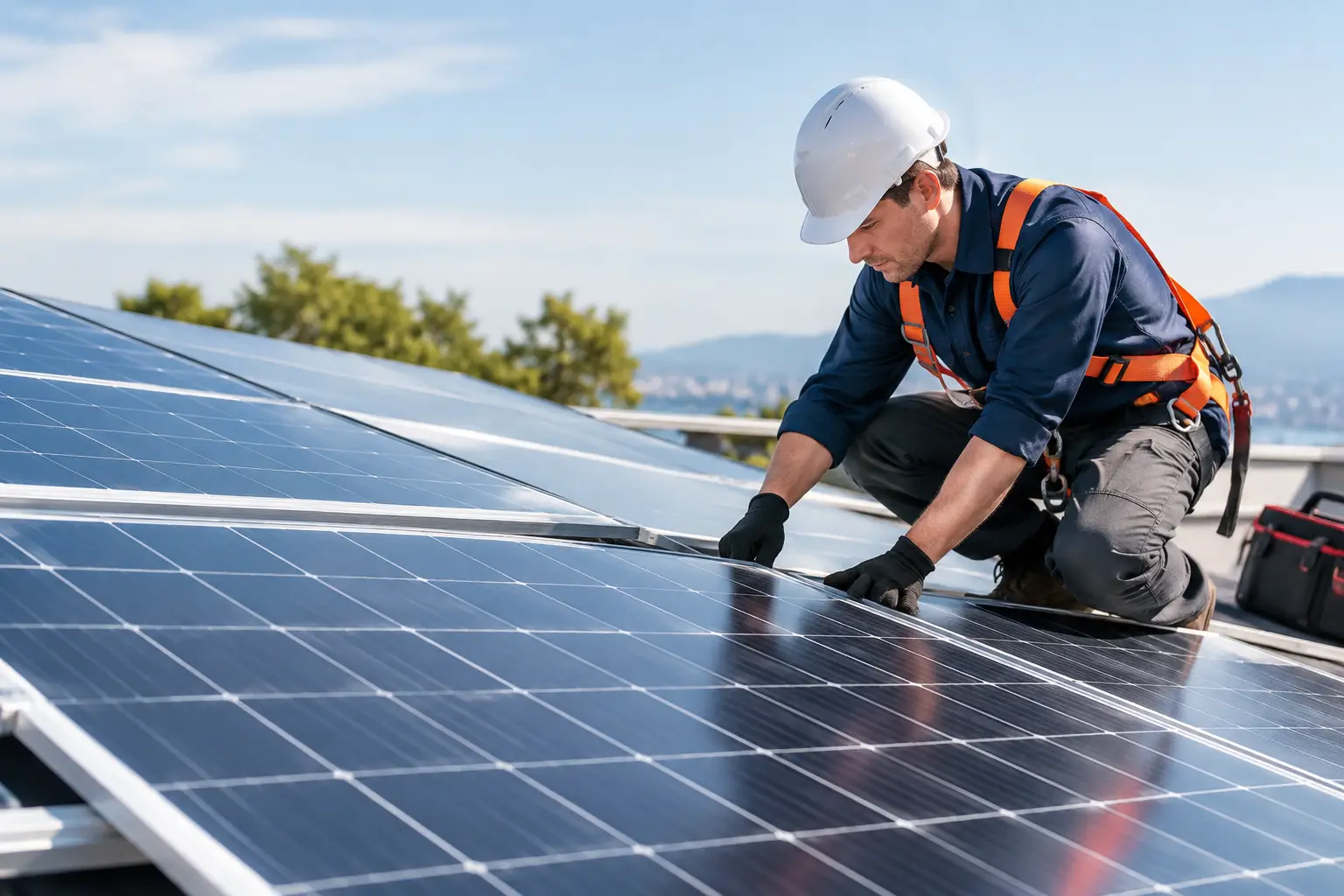
Solar Maintenance Requirements: What to Expect
A solar system is built to work quietly in the background, often for decades. But “low maintenance” does not mean “forget about it.” Understanding solar maintenance requirements helps homeowners and business owners protect their savings, spot small issues early, and feel confident that their panels are producing the energy they expect.
For most properties in Southern California, routine solar care is simple. Our dry climate brings plenty of sunshine, but it also brings dust, coastal salt air in some areas, seasonal winds, and occasional debris. A practical check-in schedule is usually all it takes – along with knowing when to call a qualified professional.
What Solar Maintenance Requirements Actually Include
Solar maintenance is less about constant cleaning and more about monitoring, visual inspections, and responding quickly when performance changes. A properly installed system has no moving parts in the panels themselves, which is one reason solar is such a practical long-term upgrade.
Your maintenance needs depend on the system design. A straightforward rooftop panel system may only need occasional checks. A system with battery storage, a solar roof, an older electrical panel, or trees nearby may need more attention. Commercial properties can also have different needs because their systems are often larger and located on flat roofs.
At a basic level, solar maintenance involves keeping panels clear of major obstructions, reviewing energy production, checking accessible equipment for visible concerns, and scheduling service when a warning appears.
Start With Your Solar Monitoring App
The easiest way to stay connected to your system is through its monitoring app or online portal. Most modern solar systems show daily, monthly, and lifetime production. Many will also alert you when the system stops reporting or when production falls outside its expected range.
Check the app about once a month, especially during the first year after installation. You do not need to memorize every number. Look for major changes compared with similar weather periods from the previous month or year. Production naturally changes with shorter winter days, cloud cover, heat, and seasonal shading, so one lower day is not automatically a problem.
A sustained drop deserves attention. It could be caused by heavy debris, a tripped breaker, an inverter issue, internet connectivity loss, new shade from tree growth, or another electrical concern. Monitoring gives you useful information before a small issue becomes a long stretch of lost production.
Do Solar Panels Need Regular Cleaning?
Sometimes, but not as often as many people think. In much of San Diego County, Orange County, Riverside County, Imperial County, and Tijuana, normal rain and wind can remove a portion of loose dust. Panels installed at a typical roof angle also shed debris better than panels mounted nearly flat.
Cleaning can make sense when you can see a layer of dust, ash, pollen, bird droppings, leaves, or construction debris that is clearly blocking sunlight. It may also be worthwhile after an extended dry period, near agricultural areas, along dusty roads, or following wildfire smoke and ash conditions.
Before cleaning, review your manufacturer guidance and consider safety first. Roof work carries real risk, and panels, wiring, and roof materials should not be damaged by harsh tools or chemicals. Avoid abrasive scrubbers, pressure washers, and strong detergents. Do not walk on panels. If the panels are difficult to access or heavily soiled, professional cleaning is the safer choice.
For many homeowners, a visual inspection from the ground and a review of production data are more valuable than frequent cleaning. If the system is generating as expected, there is rarely a reason to clean panels on a rigid monthly schedule.
Check for Shade, Debris, and Visible Damage
A quick visual check a few times each year can prevent surprises. Walk around the property and look at the array from the ground. You are not trying to diagnose every component. You are looking for obvious changes.
Pay attention to new tree growth, branches hanging over panels, piles of leaves, bird nests, or objects that cast shadows during the middle of the day. Even partial shade can affect output, particularly when it falls on the same area consistently. Trimming should be planned carefully so it protects the system while following local rules and preserving the health of the tree.
After strong winds or a storm, look for cracked glass, loose-looking hardware, exposed wires, or fallen branches near the array. Do not touch damaged electrical equipment. Take a photo from a safe location and arrange a professional assessment.
Inverters, Electrical Equipment, and Safety Checks
Your inverter converts solar energy into usable electricity. Depending on the design, it may be a single central inverter, microinverters attached beneath individual panels, or power optimizers paired with a central inverter. Each design can perform well, but service needs and monitoring details vary.
Occasionally check the inverter display or indicator lights if it is safely accessible. A red fault light, repeated error message, unusual noise, burning smell, or water intrusion around electrical equipment calls for prompt professional service. The same is true if a breaker trips repeatedly or your system shuts down unexpectedly.
Do not open electrical boxes or attempt wiring repairs yourself. Solar equipment remains connected to electrical circuits, and service should be handled by trained technicians. This protects your safety, your equipment warranty, and the long-term reliability of the installation.
Battery Storage Has Its Own Maintenance Needs
A solar battery can provide backup power, help you use more of your own solar energy, and offer greater independence when utility rates are high. It also needs a little more attention than panels alone.
Keep the area around the battery clean, dry, and unobstructed. Do not stack boxes, garden tools, or other materials around it. Batteries need appropriate clearance and ventilation based on the manufacturer’s instructions. If your battery is installed in a garage, avoid exposing it to unnecessary heat, moisture, or impact.
Use the battery app to review its charge level, backup settings, and system alerts. Some homeowners want to reserve most of the battery for outages, while others prefer to use it daily to reduce evening utility purchases. Neither approach is automatically best. The right setting depends on your rate plan, backup priorities, and how often outages affect your area.
If the battery displays a fault, has visible damage, or behaves differently during an outage, contact your installer or service provider. Do not reset equipment repeatedly without guidance, since error codes can help identify the real issue.
Protect the Roof Beneath Your Solar System
Solar and roofing should be treated as connected parts of the same project. Panels can last 25 years or more, so the roof beneath them should be in good condition before installation. If your roof is near the end of its life, it may be more cost-effective to coordinate roof work before or alongside solar rather than pay later to remove and reinstall panels.
After installation, inspect the roof from the ground or attic when practical. Watch for water stains, leaks, damaged shingles or tiles around the array, and clogged gutters that could direct water where it does not belong. A roof leak does not always originate at the solar system, but it should be evaluated carefully by professionals familiar with both roofing and solar attachments.
Bundling solar, roofing, electrical panel upgrades, and battery storage can make planning easier because each part is considered before work begins. That is especially helpful for older homes that need electrical improvements before adding new energy equipment.
When to Schedule Professional Solar Service
Call for professional help when monitoring shows a lasting production issue, equipment displays an error, panels appear damaged, or you notice a roof or electrical concern near the system. Service is also sensible after major storm damage, rodent activity around wiring, or a change to your property that creates significant shade.
A periodic professional inspection can be worthwhile even when everything appears normal. The right frequency depends on the age of the system, local conditions, roof access, and whether you have storage. A technician can inspect mounting hardware, wiring, grounding, inverter operation, and panel condition without putting you at unnecessary risk.
Accessible Solar & Energy Storage helps property owners think through the full picture, from solar production and battery settings to roofing and electrical readiness. Clear answers and a local evaluation can remove the guesswork when your system needs attention.
Your solar system should make life easier, not give you another complicated project to manage. Check your production, keep an eye on visible changes, and ask for qualified support when something does not look right. Those simple habits help keep your property powered by sunshine for years to come.


Leave A Comment