


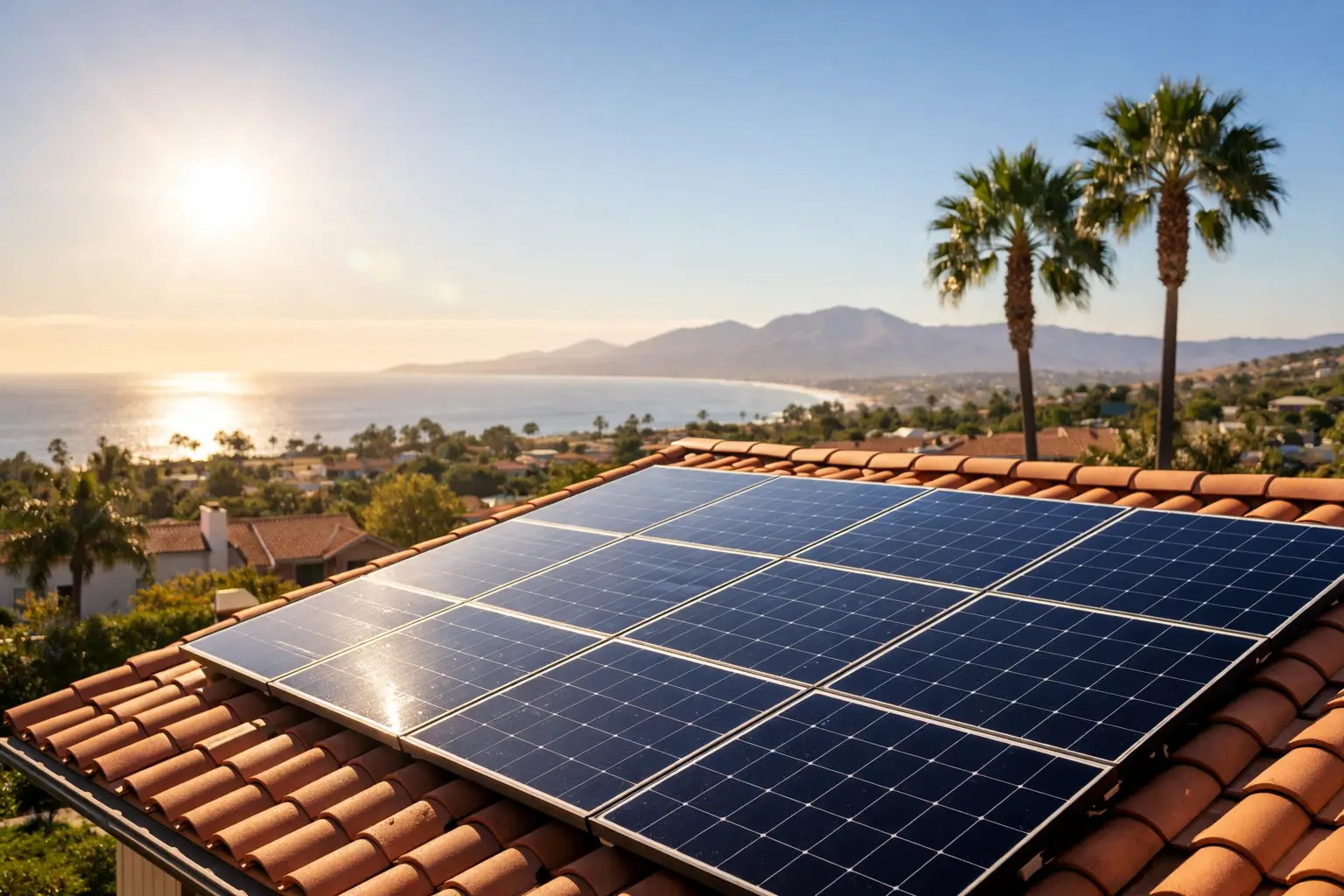
Is Solar Worth It for Southern California?
If your electric bill keeps climbing and every summer feels more expensive than the last, asking is solar worth it is not just a trend question – it is a budget question. For many homeowners and business owners in Southern California, the answer is yes, but not for the same reason in every situation. The real value depends on your utility rates, how much power you use, the condition of your roof, and whether you want lower bills, backup power, or both.
Is solar worth it for most property owners?
In a place like San Diego County, Riverside County, Orange County, Imperial County, and nearby communities, solar often makes sense because electricity is expensive and sunshine is plentiful. When utility costs are high, every kilowatt-hour your system produces has more value. That creates a stronger case for solar than you would see in many other parts of the country.
Still, solar is not magic. It is a long-term home or business upgrade. If you expect instant savings with no planning, you may end up disappointed. If you approach it the right way, with the right system size and realistic expectations, it can reduce your dependence on the utility and give you more control over future energy costs.
For most customers, the question is less about whether solar works and more about whether the numbers work for their property. That is why a proper evaluation matters. A good system should be built around your usage, roof layout, and goals, not around a generic sales pitch.
What makes solar worth it financially?
The biggest factor is your current electric bill. If you use a lot of power for air conditioning, pool equipment, EV charging, or business operations, solar has more room to create savings. Higher monthly bills usually mean a faster path to seeing financial value.
Your rate plan matters too. In California, time-of-use rates can make daytime solar production valuable, but they also change the strategy. If your household uses most of its power in the evening, battery storage may improve the value of your system because it helps shift solar energy to the hours when electricity costs more.
Financing also changes the answer. Some people compare solar to paying cash for a system. Others compare it to their monthly utility bill. If financing is structured well, the monthly payment can feel more manageable than continuing to absorb rising power costs. That does not mean every loan is a great deal. It means affordability should be reviewed carefully, with real numbers and honest expectations.
Tax incentives can help, but they should not be the only reason you move forward. Incentives improve the math. They do not fix a bad roof, undersized system, or poor design.
The roof can make or break the deal
One of the most overlooked parts of the conversation is the roof itself. If your roof is near the end of its life, adding solar without addressing it first can create extra cost later. Removing and reinstalling panels for a future roof replacement is not something most property owners want to pay for.
That is why bundled planning matters. When roofing, electrical upgrades, and solar are considered together, the project tends to make more financial sense over time. It is often smarter to handle the full picture once than to solve each issue separately at different times.
When solar may not be worth it
There are situations where the answer is no, or at least not yet. If your electric bill is already very low, your savings may be modest. If your roof has heavy shading for most of the day, production may not justify the cost. If you plan to move very soon, the timeline to benefit may be too short to match your goals.
The same is true if the proposal you receive is not tailored to your property. An oversized system, a poor financing structure, or a setup that ignores your evening energy use can reduce the value you expected. Solar is worth it when it is planned carefully. It is less worth it when it is rushed.
This is also where honesty matters. A trustworthy provider should be able to explain when solar is a strong fit, when battery storage makes sense, and when another improvement should come first. Sometimes the right answer is to repair the roof, upgrade the electrical panel, or review usage habits before installing anything.
Is solar worth it with a battery?
For many Southern California customers, this is where the conversation gets more interesting. A battery does add cost, so it is fair to ask whether it adds enough value. The answer depends on what you want from your system.
If your main goal is the lowest upfront cost, solar alone may be enough. If your goals include backup power, better use of your solar production at night, and more protection from utility rate changes, a battery can be a very smart addition.
Batteries are especially appealing for households that experience outages, rely on medical devices, work from home, or simply want more peace of mind. For businesses, backup power can mean avoiding downtime, protecting refrigeration, or keeping critical systems running.
Battery storage also supports a bigger idea that matters to many families and businesses right now: energy independence. You may still be connected to the grid, but you are less exposed to every rate increase and service interruption.
Is solar worth it if you finance it?
Yes, it can be, especially for budget-conscious property owners who do not want to wait years to save up for a full cash purchase. The key is making sure the financing fits the project and your budget.
A financed system should still create value beyond the monthly payment. That may show up as lower power bills, more predictable energy costs, increased property appeal, or the ability to bundle other needed upgrades into one coordinated project. If financing feels confusing, that is a sign to slow down and ask better questions.
This is one reason many customers prefer working with a local, service-focused team instead of trying to sort through everything alone. When financing, roof work, electrical needs, and battery storage are all part of one conversation, the decision becomes clearer.
Homeowners and business owners will have different answers
For homeowners, solar is often about monthly savings, future stability, and home resilience. Families with growing energy use usually feel the value quickly, especially if they have electric vehicles or high summer cooling costs.
For business owners, the calculation can be even more direct. If your building uses a lot of daytime power, solar may align well with your operating hours. In that case, the system is not just an upgrade – it is a tool to reduce overhead.
Commercial customers also tend to look at predictability. Utility volatility makes budgeting harder. Solar can help create more consistency, which matters when every expense affects pricing, staffing, and growth.
The local factor matters more than people think
A national headline about solar does not always reflect what is true in your neighborhood. Southern California has some of the strongest conditions for solar value because of high utility prices and strong sun exposure. Tijuana and cross-border property owners may also see value in energy upgrades, but system design, regulations, and financing structures need to be reviewed based on the exact location.
That is why local knowledge matters. A company that understands regional utility costs, permitting realities, roof types, and local housing stock can usually give better guidance than a one-size-fits-all sales operation. Accessible Solar & Energy Storage takes that consultative approach because solar works best when it is made understandable and built around real needs.
So, is solar worth it?
If you have a meaningful electric bill, a workable roof, and a plan that matches how you actually use energy, solar is often worth it in Southern California. If you want backup protection, stronger long-term control over utility costs, or a bundled approach that includes roofing or electrical upgrades, it may be worth even more than you first expected.
But the best answer is not a blanket yes. It is a clear proposal with honest numbers, practical options, and enough guidance to help you move forward with confidence. The right solar project should make your life simpler, your costs more manageable, and your future a little more secure.


Leave A Comment