


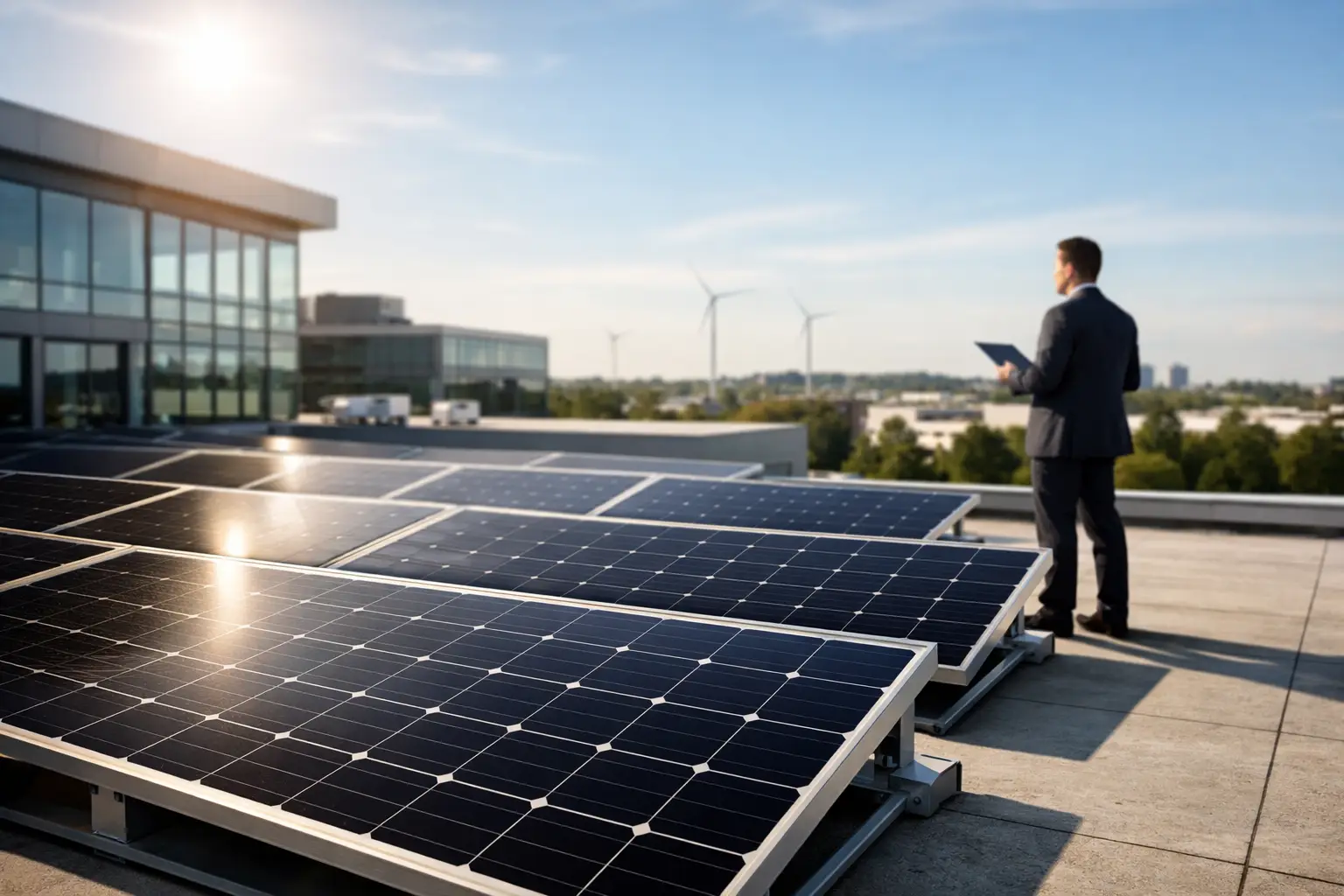
Can Solar Panels Power a Business? What to Know
A business utility bill can feel like a monthly expense with no finish line. For owners managing payroll, inventory, equipment, and rising operating costs, the question is practical: can solar panels power a business well enough to make a real difference? For many Southern California businesses, the answer is yes – but the right system depends on when you use electricity, how much space you have, and what you need solar to accomplish.
Solar is not a one-size-fits-all purchase. A small office with predictable daytime use has different needs than a restaurant running refrigeration around the clock, a warehouse with large roof space, or a retail location with high afternoon air-conditioning demand. A thoughtful assessment turns solar from a big idea into a clear business decision.
Can Solar Panels Power a Business Every Day?
Solar panels can produce a meaningful share of a business’s electricity, and in some cases can offset most or all of its annual energy use. But that does not always mean the business runs only on solar power every minute of every day.
Panels generate the most electricity during daylight hours. If your business operates primarily from morning through late afternoon, solar production may line up well with your energy demand. Offices, schools, auto shops, medical practices, retail spaces, and many service businesses can benefit from that daytime match.
Businesses that operate at night, use heavy equipment, or need constant refrigeration may still draw electricity from the utility grid after the sun goes down. That is where system design and battery storage become especially valuable. The goal is usually not to pretend the grid does not exist. It is to reduce what you buy from it, limit exposure to higher utility rates, and create more control over a major operating expense.
A solar system can be designed to offset a portion of your bill or to target a higher percentage of your annual consumption. The best choice depends on your budget, roof or property space, future growth plans, and local utility rules.
Your Energy Usage Matters More Than Building Size
Two businesses with the same square footage can have dramatically different energy needs. A 2,000-square-foot accounting office may use far less electricity than a 2,000-square-foot bakery with ovens, refrigeration, and ventilation equipment.
That is why an accurate proposal starts with your utility bills and an on-site evaluation. Your past electricity use shows how many kilowatt-hours your business consumes, when demand is highest, and whether usage changes by season. In San Diego, Orange County, Riverside County, Imperial County, and nearby areas, summer cooling can have a major impact on business energy costs.
A qualified solar team should also look at the condition and layout of the roof, shading from trees or nearby buildings, the electrical panel, and equipment that may be added later. If you expect to install more air conditioning, EV chargers, refrigeration, or machinery, planning for that growth now can prevent an undersized system later.
What a Commercial Solar System Can Power
Commercial solar can help support nearly any electrical load in a business, including lighting, computers, HVAC systems, refrigeration, pumps, point-of-sale equipment, and production equipment. The question is not whether panels can power those items. It is whether the system is sized to produce enough energy to offset their use.
For example, a solar system might generate power while a salon runs lighting, dryers, air conditioning, and water heating throughout the day. A warehouse may use its large roof to produce energy for lighting, office operations, and equipment. A restaurant may use solar to reduce the cost of daytime cooling and refrigeration while relying on the grid and, potentially, storage during evening hours.
Solar energy is measured over time, not appliance by appliance. Your system sends power into your building’s electrical system as it is produced. When solar production is greater than what the building needs at that moment, excess energy may be sent to the grid, subject to the rules and rate structure that apply to your utility account. When your demand exceeds solar production, your business draws additional power from the grid.
Battery Storage Changes the Conversation
Battery storage is not required for every commercial solar project, but it can make a stronger business case for companies with high evening use, expensive peak-period electricity, or a need for backup power.
A battery stores some of the solar energy produced during the day for use later. This can help a business use more of its own solar energy instead of purchasing as much electricity during higher-cost periods. For certain operations, a battery can also support selected essential loads during an outage, such as internet equipment, lighting, refrigeration, security systems, or critical office devices.
There are trade-offs. Batteries add upfront cost, and not every business needs full-building backup. It is often smarter to identify the equipment that truly must stay on during an outage and design storage around those priorities. A grocery operation may prioritize refrigeration. A medical office may prioritize communications and specific equipment. A retail store may need security, lighting, and point-of-sale systems.
The Roof Is Part of the Investment
A commercial solar project is also a building project. If a roof is old, damaged, or nearing the end of its life, it may make sense to address it before panels are installed. Removing and reinstalling solar later can create avoidable expense and disruption.
Roofing, electrical panel upgrades, and drainage considerations may all be part of a successful solar plan. Businesses should not feel pressured to solve every improvement at once, but they should understand how each item affects the project timeline and long-term value.
This is especially helpful for owners who want one coordinated plan instead of juggling separate contractors. Solar can be an opportunity to improve the building while reducing energy costs, as long as the work is planned in the right order.
How to Decide Whether Solar Makes Financial Sense
The financial value of solar comes from reducing utility purchases over time. Your results will depend on your electricity rates, energy usage, available installation space, system cost, financing terms, and applicable incentives. Because utility programs and tax rules can change, a current proposal should explain assumptions clearly rather than promise a number without reviewing your property.
For many business owners, financing makes it possible to move forward without paying the full project cost upfront. The comparison is often between continuing to pay a utility bill that can rise over time and putting that money toward an energy asset for the property. The right financing structure depends on cash flow, ownership goals, and how long you expect to stay in the building.
If you lease your space, solar may still be possible, but the conversation should include the property owner early. Roof rights, lease length, maintenance responsibilities, and who receives the financial benefit all need to be clear before work begins.
Start With a Site-Specific Plan
The strongest commercial solar projects begin with simple, honest questions: What are you paying now? When do you use the most electricity? Is your roof ready? Do you need backup power? Are you planning to expand?
From there, a local consultation can map out solar production, battery options, financing, and related upgrades without burying you in technical jargon. Accessible Solar & Energy Storage helps business owners coordinate those moving parts so solar feels like an accessible improvement, not another complicated project to manage.
Your business does not need to become an energy expert before taking the first step. Bring your recent utility bills, share your goals, and ask for a clear explanation of what solar can realistically do for your property. A well-designed system can turn Southern California sunshine into a more predictable path for your business expenses.


Leave A Comment